

Wabi Sabi Interior Trend: Why It Lasts
Wabi Sabi Interior Trend: Why It Lasts
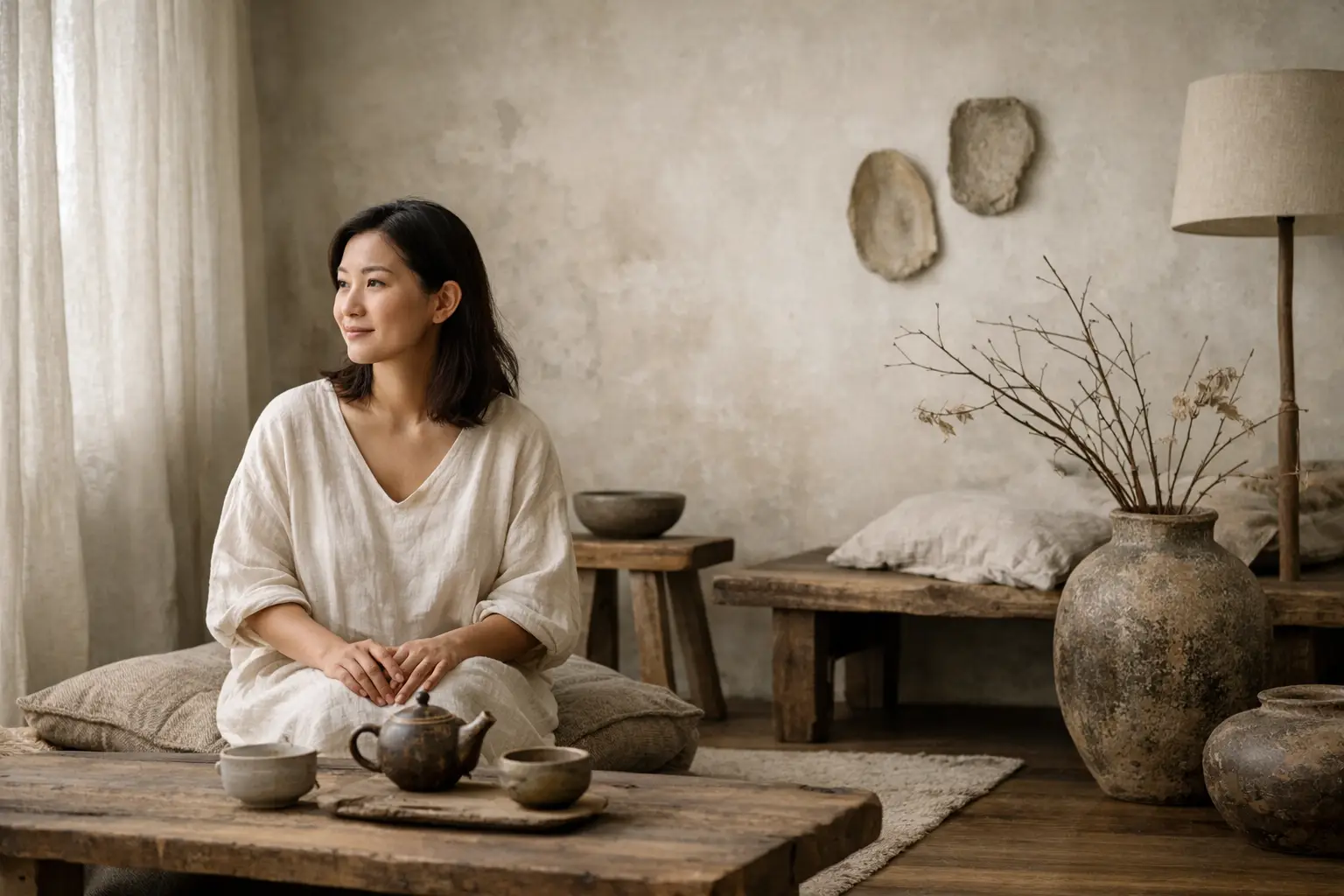
Perfection can make a home feel oddly untouchable. The wabi sabi interior trend appeals for the opposite reason – it gives a space permission to feel calm, lived-in, and deeply personal. For homeowners planning a renovation, that distinction matters. A beautiful interior is not only styled for the first reveal. It should also hold up to daily life, shifting routines, and the character that develops over time.
What the wabi sabi interior trend really means
Wabi-sabi is often reduced to a look: plaster walls, pale wood, handmade ceramics, and neutral tones. Those elements do appear often, but the style is more grounded than that. At its core, it values restraint, authenticity, and the beauty of imperfection. Materials are chosen for texture and honesty. Shapes feel softened rather than sharp. Rooms are composed with intention, but they are not overworked.
That is why the aesthetic has remained relevant beyond trend cycles. It offers visual quiet without feeling cold. It leans minimal, yet it is not strict minimalism. There is warmth in the grain of timber, in stone with variation, in linen that creases naturally, and in objects that show evidence of being made by hand.
For many homeowners, especially those upgrading from a first home or rethinking a resale property, that balance is compelling. The space feels refined, but not performative.
Why this style resonates with modern homes
Contemporary interiors have spent years moving toward cleaner lines and less visual clutter. The challenge is that highly polished spaces can become flat if every finish is too perfect and every corner too resolved. The wabi sabi interior trend answers that problem by introducing depth through tactility and age-softened character.
In practical terms, it works well in urban homes because it does not require excess. A compact condo, a BTO apartment, or a larger landed property can all interpret the style differently while keeping the same principles. In smaller homes, it helps create calm. In larger homes, it prevents expanses from feeling overly formal.
It also suits clients who want a home that matures gracefully. Scratches on natural wood, slight tonal shifts in stone, and the soft patina of frequently used surfaces become part of the design story rather than flaws to hide.
The design language behind wabi-sabi interiors
A successful wabi-sabi home is usually built through layers, not statements. The palette tends to be quiet – warm whites, sand, clay, taupe, soft charcoal, and muted greens. These shades create a restful backdrop, but the real richness comes from material contrast.
Plaster or limewash walls can add movement that flat paint cannot. Oak, ash, walnut, or other natural woods introduce grain and warmth. Textiles such as linen, cotton, and wool soften the room without making it feel decorative. Ceramics, stone, and matte metals add weight and tactility.
Furniture is typically understated, with low profiles and clean silhouettes. Yet it should not feel too sleek. A rounded edge, a textured upholstery, or a handcrafted side table brings ease to the composition. Lighting follows the same logic. Instead of bright, overly crisp illumination, the mood is often shaped with warmer, softer pools of light.
The result is curated but not busy. Every piece earns its place.
Wabi sabi interior trend in real-life planning
This is where design intent matters most. Many homeowners like the mood of wabi-sabi interiors but underestimate how easily the look can become generic. If every surface is beige and every object is vaguely rustic, the home can feel staged rather than soulful.
A stronger approach starts with the architecture and the way the space will be used. In an HDB or condo apartment, that may mean opening visual lines, reducing bulky built-ins, and choosing fewer but better finishes so the rooms feel lighter. In a landed home, it may involve balancing larger volumes with warmer textures and quieter detailing.
Storage also needs careful treatment. Wabi-sabi spaces read as effortless, but they only work when clutter is controlled. Hidden storage, integrated cabinetry, and a disciplined material palette help preserve that sense of calm. This is especially important in family homes, where visual noise can build quickly.
For clients who want this style without losing practicality, tailored design is essential. A home should reflect the philosophy of wabi-sabi, but still respond to cooking habits, work-from-home needs, entertaining patterns, and long-term maintenance expectations.
Where the style works best – and where it needs balance
Living rooms and bedrooms are natural settings for wabi-sabi design because they benefit from softness and calm. Textured walls, natural textiles, sculptural lighting, and low, comfortable furniture create a grounded atmosphere that feels restorative rather than showy.
Bathrooms also lend themselves well to the style. Stone-look surfaces, muted palettes, and warm lighting can turn a functional room into a retreat. The same can be true in hospitality-inspired commercial settings, where clients want a quiet, elevated experience.
Kitchens require more nuance. The style can be beautiful there, but the wrong material choices may create maintenance issues. Open-grain wood near heavy cooking zones, highly porous stone, or delicate finishes can become difficult to manage in everyday use. In these spaces, the wabi-sabi influence often works best when paired with durable detailing and smarter surface selection.
Children’s rooms and highly active family areas also benefit from adaptation. Rather than forcing a sparse, editorial version of the aesthetic, it is better to keep the foundation calm and flexible while allowing for livelier function.
Common mistakes when interpreting wabi-sabi interiors
The first mistake is confusing understated with unfinished. Wabi-sabi does not mean rough for the sake of roughness. Every material and detail still needs intention. A textured wall should feel deliberate. A handmade object should add character, not clutter.
The second mistake is relying too heavily on one-note neutrals. A room with no tonal variation can feel dull. The style needs contrast, but in subtle ways – deeper wood against plaster, matte black against warm stone, or soft textile layers against more solid forms.
Another common issue is buying into the look through accessories alone. A few ceramic vases and a linen throw will not create a convincing wabi-sabi interior if the spatial planning, lighting, and materiality do not support it. The most successful homes express the style through the bones of the design, not just the surface styling.
Why custom execution matters
The reason this aesthetic can feel so compelling in well-designed homes is simple: it is harder to do well than it appears. Restraint demands precision. When a palette is quiet and the forms are simple, every proportion, junction, and finish becomes more noticeable.
That is where experience makes a difference. A designer has to understand how to build warmth without visual clutter, how to compose a minimalist room that still feels inviting, and how to select materials that age well in the context of real use. In portfolio-led practices such as Space Atelier, that translation from concept to completed home is what gives the style credibility. It is not about copying a mood board. It is about shaping a space that feels natural, cohesive, and specific to the people living in it.
For homeowners, this often means asking better questions at the start. Do you want the home to feel more serene or more tactile? Are you drawn to Japanese restraint, Scandinavian warmth, or a more contemporary hybrid? How much visible storage can you realistically live with? Those decisions influence whether the final result feels timeless or simply trend-driven.
The staying power of the wabi sabi interior trend
Some trends peak quickly because they are mostly visual. The wabi sabi interior trend has lasted because it aligns with a broader shift in how people want to live. Homes are expected to support rest, work, connection, and routine. In that context, materials with warmth, layouts with breathing room, and spaces that feel less contrived make lasting sense.
It also offers something many polished interiors cannot: emotional ease. A home does not have to look untouched to feel elegant. In fact, a space often becomes more compelling when it allows for individuality, use, and subtle change over time.
If you are considering this direction, the goal is not to recreate someone else’s quiet interior. It is to build a home with enough clarity, texture, and honesty that it still feels right long after the trend label fades.
Do you have any enquiry?
Send us an enquiry! Let’s change ideas about what you want for your space.
CONTACT US