

Japandi vs Minimalist Interiors: Which Fits?
Japandi vs Minimalist Interiors: Which Fits?
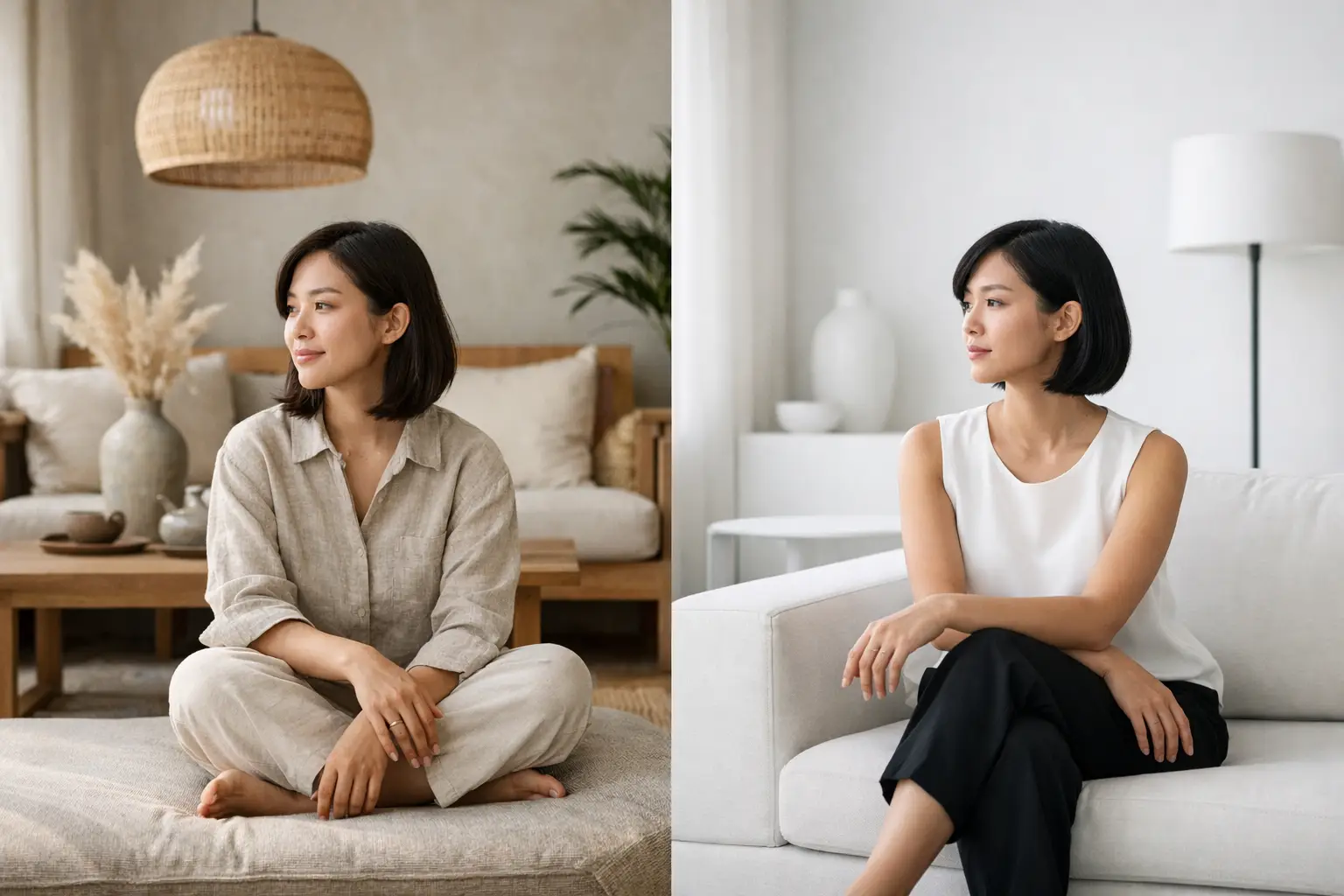
A clean home can still feel warm. A pared-back interior can still feel personal. That is where the conversation around japandi vs minimalist interiors becomes more interesting than most style labels suggest. On paper, both value restraint, simplicity, and clarity. In practice, they create very different emotional experiences.
For homeowners planning a renovation, that difference matters. The right style is not just about what looks refined in photos. It shapes how a home feels at 7 a.m. before work, how it supports family routines, and how comfortably it will age over the next five to ten years.
Japandi vs minimalist interiors: the core difference
If minimalist interiors are driven by reduction, Japandi is driven by balance. Minimalism asks what can be removed. Japandi asks what should remain.
Minimalist spaces tend to emphasize clean geometry, disciplined layouts, limited visual noise, and a sharper sense of order. They often feel crisp, intentional, and quietly architectural. Japandi interiors share that preference for simplicity, but soften it through organic texture, natural materials, and a more lived-in calm. The result is less stark and more grounding.
This is why two homes with similar neutral palettes can feel completely different. A minimalist condo may read as sleek and highly edited. A Japandi home may use many of the same tonal foundations, but the addition of oak grain, linen texture, rounded forms, and handcrafted details gives it a gentler presence.
Neither approach is better by default. The stronger choice depends on how you want your space to perform emotionally and practically.
What minimalist interiors do especially well
Minimalist interiors suit homeowners who want visual clarity and strong spatial discipline. In compact apartments, that can be a real advantage. When storage is integrated well and furnishings are selected carefully, a minimalist scheme can make a home feel larger, lighter, and more composed.
This style also works well for clients who prefer architecture to do the talking. Flat-panel cabinetry, concealed storage, restrained finishes, and crisp lines create an environment that feels efficient and deliberate. In urban homes, especially condos and newer apartments, that language often aligns naturally with the building envelope.
There is also a maintenance benefit. Fewer objects and cleaner surfaces can make day-to-day upkeep easier, provided the design includes enough concealed storage. Minimalism only looks effortless when clutter has somewhere to go.
The trade-off is that poorly handled minimalism can feel cold or impersonal. If every surface is hard, every line is rigid, and every color is reduced to white, gray, and black, the result may look polished but not particularly inviting. This is especially common in family homes, where real life needs flexibility, softness, and a sense of ease.
Where Japandi feels more livable
Japandi has gained traction because it answers a common concern with minimalism. Many homeowners want simplicity, but they do not want their home to feel severe. Japandi offers that middle ground.
Its visual language blends Japanese restraint with Scandinavian warmth. You see this in muted earth tones, tactile fabrics, warm woods, soft curves, and carefully chosen statement pieces that feel crafted rather than decorative. The room stays edited, but not empty.
For everyday living, that warmth can make a meaningful difference. A Japandi living room often feels calmer and more approachable because the palette is layered through texture rather than contrast. A bedroom in this style tends to feel restorative because nothing competes too loudly for attention. Even functional areas like kitchens benefit from the combination of clean planning and natural materiality.
Japandi also tends to age well. Because it relies less on sharp trend signals and more on material honesty, it can remain relevant longer than styles built around dramatic finishes or strong visual statements. That makes it appealing for homeowners who want a renovation that still feels current years later.
The trade-off is subtle but important. Japandi is not casual decorating. It requires discipline to make warmth feel intentional rather than messy. Too many textures, too many curved pieces, or too many tonal variations can dilute the calm it is meant to create.
Materials, mood, and visual texture
If you are deciding between japandi vs minimalist interiors, materials are often the clearest indicator.
Minimalist interiors usually favor smooth, uninterrupted surfaces. Think matte laminates, sleek stone, glass, metal accents, and cabinetry with minimal detailing. Even when the palette is warm, the finish selection often leans refined and controlled. Texture is present, but understated.
Japandi interiors are more tactile. Timber with visible grain, limewash-like surfaces, linen upholstery, woven elements, ceramic decor, and soft plaster tones all contribute to the look. Instead of relying on contrast, Japandi relies on depth within a restrained palette.
Mood follows materials. Minimalism tends to feel sharper, quieter, and more structured. Japandi tends to feel softer, grounded, and more restorative. Homeowners who entertain often or enjoy a gallery-like sense of order may prefer minimalism. Those who want a home that feels like a retreat often gravitate toward Japandi.
Which style works better for different homes
Property type matters more than trend preference. A style that looks exceptional in a landed home may need adjustment in a compact city apartment.
In smaller homes, minimalist interiors can be highly effective because they prioritize spatial efficiency. Built-ins can be cleanly integrated, circulation stays open, and the visual field remains uncluttered. This is especially useful in apartments where every inch needs to work harder.
Japandi also works well in smaller homes, but it requires tighter editing. Natural textures and layered neutrals can add warmth without taking up physical space, yet the design has to be curated carefully. Too many open shelves, loose accessories, or soft-toned furnishings can make a smaller footprint feel busy rather than serene.
In larger homes, Japandi often has more room to breathe. Wider living areas, longer sightlines, and generous natural light allow its tonal layering and material variation to register fully. Minimalism can also look striking in larger properties, but it needs enough architectural strength to avoid feeling under-furnished.
For commercial settings, the choice depends on brand identity. Minimalism can communicate precision, efficiency, and contemporary confidence. Japandi can signal calm, care, and elevated comfort. In retail or wellness-oriented spaces, that distinction can shape the customer experience immediately.
Lifestyle should lead the decision
The most successful interiors are not chosen by style name alone. They are shaped around how people live.
If you prefer very clear surfaces, own fewer decorative items, and feel most at ease in spaces with strong order, minimalism may be the better fit. It supports routines built around discipline and simplicity. It also suits clients who want their home to feel sleek, composed, and highly edited.
If you want calm but not austerity, Japandi may serve you better. It accommodates softness and character while still keeping visual noise low. For many homeowners, that balance feels more realistic. A home can look refined without feeling untouchable.
Families with young children, pet owners, and clients who value comfort often respond well to Japandi because it allows for warmth and texture. Professionals who want a cleaner, sharper atmosphere may lean toward minimalism. That said, these are tendencies, not rules. The best projects often borrow from both.
A tailored home might use a minimalist kitchen for efficiency and clarity, then bring Japandi warmth into the living and bedroom areas. That kind of hybrid approach is often more intelligent than treating style categories as fixed boxes. At Space Atelier, this is where design becomes more than aesthetics. It becomes a calibrated response to the property, the client, and the pace of daily life.
How to choose without second-guessing
Start with the feeling you want, not the reference image you saved. Do you want your home to feel crisp or calming? Architectural or tactile? Disciplined or gently layered?
Then look at your habits honestly. If you collect books, ceramics, or textiles, a strict minimalist interior may become difficult to maintain unless storage is designed around those items. If you dislike visual clutter but still want warmth, Japandi is often the more forgiving direction.
Budget also plays a role. Both styles can be executed at different levels, but Japandi often depends heavily on finish quality and subtle material contrast. Minimalism, meanwhile, can look expensive when detailing is precise, but flat and generic when it is not. In both cases, the success of the design comes from proportion, joinery, and restraint rather than simply buying the right furniture.
The stronger question is not which trend is winning. It is which environment will still feel right after the novelty fades.
A well-designed home should give you clarity when life feels full. Whether that comes through the sharpened simplicity of minimalism or the softened calm of Japandi, the right answer is the one that fits your space and the way you want to live in it.
Do you have any enquiry?
Send us an enquiry! Let’s change ideas about what you want for your space.
CONTACT US