

Is Bespoke Interior Design Worth It?
Is Bespoke Interior Design Worth It?
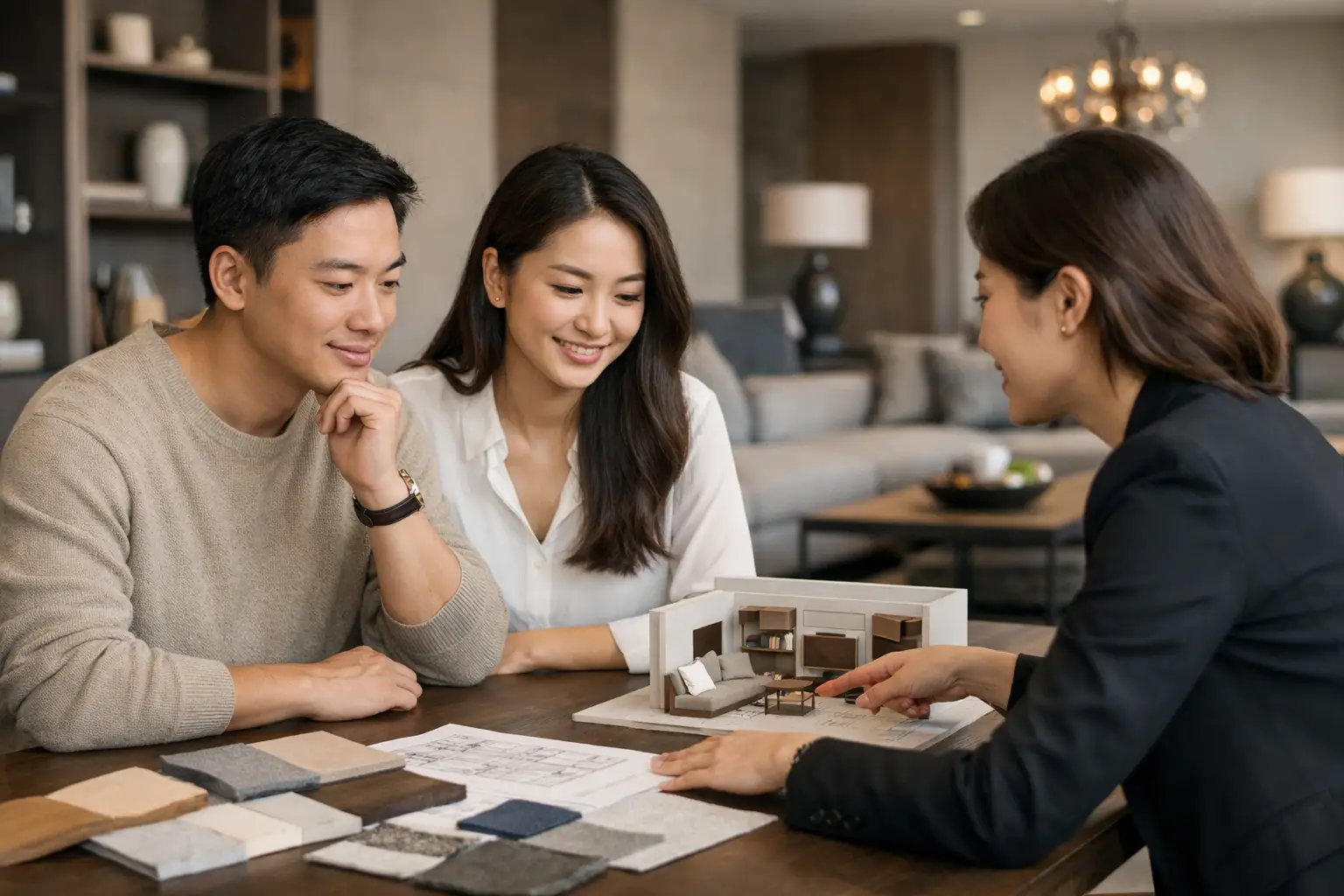
A well-designed space is easy to recognize. The layout feels intuitive, storage appears where you need it, and the finishes look considered rather than simply expensive. That is usually the point where people start asking, is bespoke interior design worth it, or can a standard renovation package achieve the same result for less.
The honest answer is that bespoke design is not automatically the right choice for every project. But for homeowners and business owners who want a space shaped around how they actually live, work, and move, it often delivers value that off-the-shelf solutions cannot. The difference is not just visual. It shows up in planning, comfort, longevity, and how confidently every square foot is used.
What bespoke interior design really means
Bespoke interior design is often mistaken for luxury for luxury’s sake. In practice, it means the design is developed around the property, the client, and the daily patterns that define how the space needs to perform.
That may involve rethinking a compact BTO layout so it supports a growing family, refining a resale apartment with more efficient storage and better circulation, or shaping a clinic or retail unit so the customer experience feels calm, clear, and brand-aligned. The work is tailored at every level, from space planning and material selection to joinery details, lighting intent, and finishing balance.
A package renovation usually starts with a menu of standard combinations. Bespoke design starts with questions. How do you host? Where does clutter build up? Do you need quiet corners, concealed storage, better flow, more natural light, a stronger design identity, or all of the above? That distinction matters.
Is bespoke interior design worth it for every property?
Not always. If your goal is a straightforward cosmetic refresh with minimal structural change, and you are comfortable making most of the practical and aesthetic decisions yourself, a more standardized approach may be enough.
But if the property has constraints, your lifestyle is specific, or you care deeply about the finished experience, bespoke design tends to justify itself. This is especially true in homes where space has to work harder, such as HDB flats, BTO units, resale apartments, and urban condominiums. When square footage is limited, generic planning mistakes become more obvious and more frustrating.
It also matters in larger homes, where the risk is not lack of space but poor cohesion. A landed property can easily feel disjointed if each room is treated separately. Bespoke design helps create continuity across materials, proportion, lighting, and mood so the home feels intentional from entry to private quarters.
For commercial spaces, the value can be even clearer. A clinic needs trust, efficiency, and privacy. A retail store needs flow, visibility, and identity. In those settings, design is not decorative. It directly shapes how people feel and behave in the space.
Where bespoke design creates real value
The strongest case for bespoke design is not that everything becomes custom. It is that the right things become custom.
The first area is space planning. Good design can make a compact home feel calm and generous, while bad planning can make a large home feel wasteful. Tailored layouts consider furniture scale, sightlines, circulation paths, and storage behavior. This is where everyday comfort is built.
The second is function. A family with young children, a couple who works from home, and a homeowner who entertains often will not use the same room in the same way. Bespoke design responds to those differences. It might mean integrating a study nook into the living area, hiding utility storage within clean-lined cabinetry, or designing a dining zone that transitions easily between daily use and hosting.
The third is visual consistency. Many spaces look appealing in isolated photos but feel uneven in person because the materials, detailing, and proportions do not relate well to one another. Bespoke design creates rhythm. Whether the style leans Modern Scandinavian, Japandi, Modern Luxury, Wabi-Sabi, or Industrial, the goal is a complete environment rather than a collection of separate ideas.
The fourth is long-term satisfaction. A lower-cost renovation can seem efficient at the start, but compromises often become more expensive over time. Poor storage, awkward layouts, trend-driven finishes, and under-considered lighting tend to reveal themselves after move-in. Bespoke design can reduce those regrets because decisions are made with both present use and future living in mind.
The trade-off is cost, time, and decision-making
This is the part many articles skip. Bespoke interior design asks more of the client as well as the designer.
It usually costs more because it requires more thought, coordination, detailing, and project-specific solutions. Custom carpentry, curated materials, and refined execution can increase both design and build investment. If your budget is fixed and tight, the process may require sharper prioritization.
It can also take longer. Tailored work involves concept development, revisions, material reviews, technical planning, and often more precise site coordination. That does not mean the process is inefficient. It means the result is being shaped with intention instead of speed alone.
Then there is the matter of choices. A bespoke project is collaborative. If you want a designer to think deeply about your needs, preferences, and lifestyle, you need to be prepared to engage. The best outcomes come when clients can articulate how they live, what they want to improve, and where they are willing to invest.
When bespoke interior design is worth it
Bespoke design tends to offer the best return when the project involves one or more of the following: a challenging layout, a clear lifestyle requirement, a strong aesthetic goal, or a property where quality execution materially affects value and daily experience.
A resale home is a good example. These properties often come with awkward legacy planning, dated finishes, and structural limitations. A tailored design approach can resolve inherited issues rather than simply covering them up.
New homeowners in BTO and condo units also benefit when they want more than a standard developer handover upgrade. Compact layouts demand precision. Every built-in element needs to earn its place.
For landed homes and premium residences, bespoke design becomes less about fitting things in and more about orchestration. Scale, flow, layering, and material restraint matter. Without that level of design thinking, a larger budget does not automatically translate into a better interior.
Commercial clients should think about bespoke design in terms of user experience and brand expression. The right interior can support smoother operations, a stronger first impression, and a space that feels credible from the moment someone walks in.
How to judge whether it is worth it for you
A simple question helps: are you paying for appearance alone, or for a better way of living in the space?
If your priorities are deeply personal, such as tailored storage, better room flow, style consistency, hospitality-minded entertaining, work-from-home integration, or a more refined daily routine, bespoke design is often worth serious consideration. If your main concern is completing a renovation at the lowest possible cost, it may not be.
It also helps to look at the property’s lifespan in your life. If this is a short-term hold, your design decisions may be more restrained. If this is a home you expect to grow into, or a business space central to your client experience, investing in a more tailored solution makes stronger sense.
The right design firm should also make the value visible. You should be able to see how it approaches different property types, how varied styles are executed in real spaces, and whether the work reflects both creativity and discipline. A strong portfolio is not just about attractive images. It is proof that the team can adapt its design language to different homes, needs, and spatial conditions.
Is bespoke interior design worth it in the long run?
In many cases, yes, especially when the project is approached with clarity. Bespoke design is most worthwhile when it solves real problems, brings order to complexity, and creates an interior that feels aligned with the people using it.
That does not mean every inch needs to be customized. Often, the smartest projects know where to be exacting and where to stay simple. The point is not excess. It is relevance.
At its best, bespoke interior design gives a space a sense of fit. Not just stylistically, but emotionally and functionally. It can make a compact apartment feel composed, a family home feel more intuitive, or a business interior feel quietly authoritative. That kind of value is difficult to measure on a spreadsheet, but easy to recognize once you live with it.
If you are deciding where to invest, start with the parts of the space that shape your day most. When design responds thoughtfully to those moments, the result rarely feels like an upgrade for show. It feels like the space finally makes sense.
Do you have any enquiry?
Send us an enquiry! Let’s change ideas about what you want for your space.
CONTACT US