

Resale Flat Renovation Guide for Smart Upgrades
Resale Flat Renovation Guide for Smart Upgrades
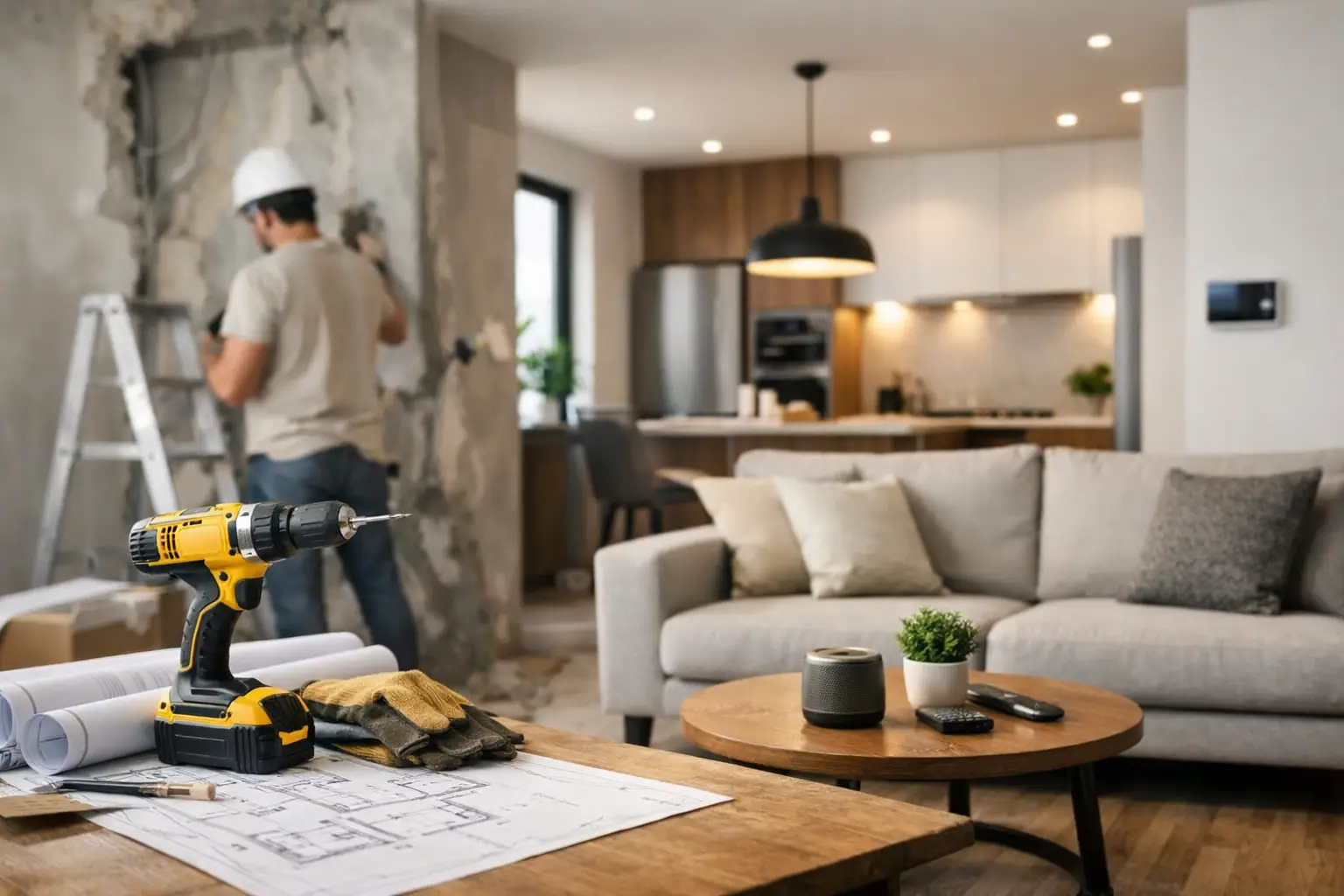
The first surprise in any resale home is usually hidden behind a cabinet, under old flooring, or above a ceiling line. A resale flat may offer better location, larger proportions, and more character than a newer unit, but it also comes with history – and renovation decisions that need more precision from day one. This resale flat renovation guide is designed for homeowners who want more than a cosmetic update. The goal is to create a home that feels tailored, timeless, and practical to live in.
Unlike a new unit, a resale flat asks you to design with existing conditions in mind. That can be an advantage. Older layouts often have generous living areas, defined room zones, and renovation potential that rewards thoughtful planning. But they also require a sharper eye on structure, services, and spending priorities.
What makes a resale flat renovation different
A resale renovation is rarely just about style. You are often working around aging plumbing, dated electrical runs, uneven surfaces, previous owner alterations, and wear that only becomes visible after hacking starts. What looks manageable during viewing can quickly turn into a deeper scope once walls, tiles, and built-ins are removed.
That is why the most successful resale projects begin with diagnosis before decoration. Material palettes, lighting plans, and cabinetry matter, but they should follow a clear understanding of what must be corrected, retained, or reconfigured. In design terms, this is where confidence comes from. A beautiful interior feels effortless when the planning behind it is exact.
A resale flat renovation guide starts with the layout
Before discussing finishes, study how the home will actually function. A resale flat gives you the chance to question inherited planning decisions. Perhaps the kitchen is too enclosed for the way you entertain. Perhaps a study nook matters more than a formal dining area. Perhaps storage should be integrated into circulation instead of added room by room.
A good layout does not chase trends. It reflects how the household moves, rests, hosts, cooks, and works. For some homeowners, opening the kitchen and living zone creates a lighter, more contemporary interior. For others, especially frequent cooks, partial separation offers better control over smells and maintenance. It depends on your routines, not just your Pinterest references.
This is also where tailored design makes a visible difference. Rather than forcing a standard package into an existing shell, a project-specific approach can turn awkward corners, structural beams, and old recesses into intentional features. A bay window may become a reading ledge. A service yard transition may hold floor-to-ceiling utility storage. A previously cramped entry can be refined with concealed cabinetry and a stronger visual arrival.
Budget for the invisible first
The most common mistake in a resale project is overspending on finishes before accounting for foundational work. New stone, custom carpentry, and decorative lighting are appealing, but they should not consume the budget before electrical rewiring, waterproofing, leveling, and plumbing checks are addressed.
In practical terms, your budget should first protect the elements that affect safety, durability, and future maintenance. If the bathroom waterproofing is compromised, replacing tiles alone is shortsighted. If the electrical system is outdated, adding more fixtures without upgrading the infrastructure creates risk. If old windows, doors, or flooring are badly worn, preserving them for cost reasons may only postpone replacement.
This does not mean every resale flat needs full demolition. Some homes benefit from strategic renovation rather than a complete reset. Existing marble flooring may be worth refinishing if it is in good condition. Solid timber doors might be updated with new hardware and paint. Well-planned conservation of selected elements can create depth and save money, but only when the retained materials still meet performance standards.
Style should suit the property, not fight it
One of the strengths of a resale home is its sense of proportion. Design should work with that quality, not erase it. A flat with broader rooms and older architectural lines can carry a warm modern contemporary palette beautifully. A compact resale unit may benefit from minimalist detailing, light-toned finishes, and integrated storage that reduces visual clutter. Japandi and Wabi-Sabi influences often sit naturally in resale homes because they value texture, calm, and restraint rather than perfection.
The right style direction also depends on your tolerance for upkeep. Open shelving may look refined in a styled photo, but closed storage often serves daily life better. Dark finishes can feel dramatic, yet they may reveal dust and wear more quickly. Fluted panels, limewash textures, and statement stones add character, but they should be balanced with materials that are easy to maintain over time.
This is where design maturity matters. Good interiors are not built on isolated features. They come from composition – proportion, contrast, lighting, material continuity, and a clear relationship between function and atmosphere.
Wet areas deserve extra attention
In any resale flat renovation guide, bathrooms and kitchens deserve a separate conversation because they carry the highest technical risk and the greatest day-to-day value. These spaces affect comfort, hygiene, and long-term maintenance more than almost any other area.
In bathrooms, check waterproofing integrity, floor gradients, ventilation, and plumbing points before selecting tiles or fixtures. Large-format tiles can create a cleaner visual field, but they require proper installation and may not suit every floor condition. Niche shelves, wall-hung vanities, and shower screens improve usability, yet they must be planned around dimensions and cleaning access.
In kitchens, workflow is as important as appearance. The ideal arrangement depends on how you cook. A homeowner who prepares quick meals may prioritize a sleek island and appliance integration. A serious home cook may need more counter space, durable work surfaces, stronger ventilation, and practical segregation between prep and wash zones. Beautiful kitchen design is rarely about how much is added. It is about how efficiently the space works.
Storage should be designed, not appended
Resale flats often expose a common problem in older homes – storage added reactively over time. The result is a collection of cabinets, shelves, and freestanding pieces that make the home feel heavier than it needs to.
A better approach is to build storage into the architecture of the interior. Full-height cabinetry can visually quiet a room when detailed cleanly. Banquette seating can hide dining storage. Bed platforms can absorb seasonal items. Entry cabinets can combine shoe storage, display, and concealed utility in one disciplined composition.
The key is moderation. Not every wall should be lined with carpentry. Too much built-in work can make a home feel rigid, especially in resale units where natural openness may be one of the property’s strengths. The best result comes from placing storage where it removes friction from daily life while preserving breathing room.
Expect trade-offs during the renovation process
Even with a clear plan, resale projects involve decisions that shift once site conditions are revealed. A wall you hoped to remove may contain constraints. A chosen finish may not transition well against an uneven existing substrate. A retained floor may clash with the revised carpentry tone more than expected.
That is normal. The value of professional planning is not that it prevents every issue. It is that it responds to issues without compromising the bigger design vision. Sometimes the smarter move is to simplify rather than force an idea. Sometimes spending slightly more in one area prevents ongoing maintenance later. Sometimes preserving one original element gives the project more character than replacing everything.
This is also why homeowners benefit from working with a team that understands multiple property types and style languages. A resale flat is not solved by a generic renovation package. It needs a design perspective that can interpret the specific home, the specific owner, and the specific balance between aspiration and practicality. That tailored lens is where a polished result begins.
Timing matters more than most homeowners expect
Renovation timelines for resale flats can be less predictable than for newer homes because site conditions are less controlled. Hacking may reveal additional rectification needs. Custom carpentry requires coordination with final site measurements. Material lead times can affect installation sequencing.
The smartest approach is to build your schedule around key decisions early. Confirm layout, electrical points, plumbing intent, and material direction before construction starts. Late changes are not just stressful. They can affect workmanship, cost, and visual consistency. If you know you will need the home by a fixed move-in date, plan backward with contingency rather than assuming the shortest timeline presented at the outset.
A well-run renovation should still feel calm. That comes from clarity, communication, and a design team that can align creative direction with execution discipline.
The best resale homes do not look renovated for the sake of it
The most compelling resale transformations are not those with the most obvious upgrades. They are the ones that feel resolved. The layout makes sense. The materials sit comfortably together. Storage is present without shouting. Light is considered. The home reflects the people living in it, not a showroom formula.
For homeowners who want to renovate with both elegance and realism, this is the real benchmark. A resale flat should not just look newer. It should feel more intentional than before, more effortless to live in, and more connected to your version of home.
If you approach the process with clarity, restraint, and the right design guidance, a resale property can become one of the most rewarding canvases to transform.
Do you have any enquiry?
Send us an enquiry! Let’s change ideas about what you want for your space.
CONTACT US