

Built In Carpentry for Condos That Works
Built In Carpentry for Condos That Works
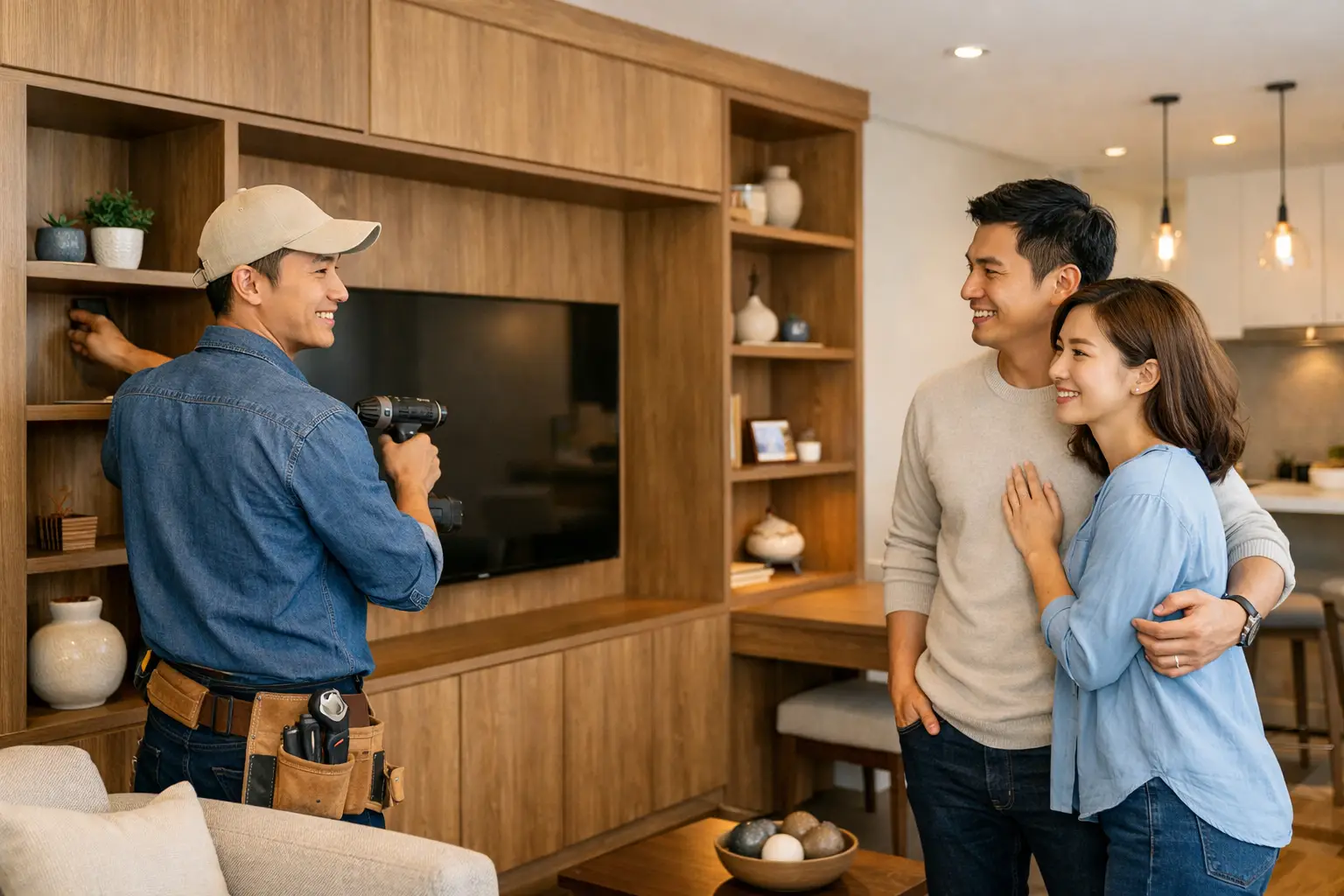
A condo rarely feels small because of square footage alone. More often, it feels constrained when daily routines have nowhere to land – shoes by the door, appliances on the counter, linens in borrowed corners, and display pieces competing with practical storage. Built in carpentry for condos addresses that tension directly. It turns fixed dimensions into tailored living, where every cabinet, niche, and panel has a clear purpose and the overall space still feels calm.
For condo homeowners, that balance matters. You are not just adding millwork for the sake of completion. You are shaping how the home reads, how it functions, and how comfortably it supports your lifestyle over time. The best results are not the most elaborate. They are the most considered.
Why built in carpentry for condos makes a difference
Condo layouts tend to be efficient, but efficiency on paper does not always translate into ease in real life. Open-plan living areas can feel exposed without enough concealed storage. Bedrooms often need to do more than one job. Service yards, entryways, and compact kitchens leave little room for error.
This is where custom carpentry earns its place. A built-in TV wall can anchor the living room while hiding clutter. A banquette at the dining area can add seating and storage without increasing visual weight. A full-height wardrobe can reclaim awkward vertical space that freestanding furniture simply wastes.
There is also a design advantage. In a condominium, where floor area is finite and sightlines are often uninterrupted, consistency matters. Built-in carpentry creates a cleaner visual language. Materials, proportions, and detailing can be curated to match the interior concept, whether the home leans Modern Minimalist, Japandi, Modern Luxury, or a softer contemporary look.
Where condo carpentry has the strongest impact
Not every wall needs millwork. In fact, overbuilding is one of the fastest ways to make a condo feel tighter. The more effective approach is to identify pressure points and solve them with precision.
Entryway storage
The entrance sets the tone for the home, but it is also one of the hardest-working zones. A slim shoe cabinet, integrated bench, overhead compartments, and a mirror panel can create a composed arrival experience without crowding the walkway. In compact units, even a shallow-depth carpentry feature can make a noticeable difference.
Living room feature walls
A media console alone often looks temporary in a condo. A full or partial feature wall with concealed storage, display ledges, and cable management feels more intentional. It can also soften the presence of large screens and create order in an otherwise open room.
The trade-off is scale. If the design is too bulky or too dark, the room can lose lightness. This is why proportion, finish selection, and open-to-closed storage ratio matter as much as the concept itself.
Kitchen extensions and dining integration
Many condo kitchens benefit from thoughtful carpentry beyond the standard cabinet provision. This could mean a pantry tower, a breakfast counter, or a dining banquette that bridges kitchen and living zones. These additions help the home work harder without relying on loose furniture that may disrupt circulation.
In some layouts, less is better. If the kitchen already feels narrow, adding more cabinetry can create visual pressure. A cleaner intervention, such as integrated tall storage on one side, may serve the space better than trying to maximize every inch.
Bedroom wardrobes and study zones
Bedrooms in condos often need custom solutions because standard wardrobes rarely fit wall-to-wall or floor-to-ceiling. Built-ins can eliminate dead gaps, improve storage capacity, and present a more refined silhouette.
For homeowners working from home, the bedroom may also need a study ledge or compact desk. The key is restraint. A multitasking room still needs to feel restful. Carpentry should support that mood rather than turn the bedroom into an office with a bed.
Bay windows, odd corners, and developer niches
Condo units often come with architectural quirks – bay windows, structural beams, recessed niches, planter conversions, or corners that seem too shallow for furniture. These are often the most rewarding areas for custom carpentry because they can be transformed from leftover space into something useful and visually resolved.
The design choices that elevate built-ins
Good carpentry is not just about storage volume. It is about how the built-ins sit within the architecture and support the interior style.
Material finish is one of the first decisions homeowners notice. Woodgrain laminates can add warmth and texture, especially in Scandinavian and Japandi-inspired homes. Matte solid tones create a more restrained, contemporary feel. Fluted panels, smoked glass, bronze accents, and stone-look surfaces can introduce a more premium expression, but they need to be used carefully. Too many statement finishes in one condo can make the space feel fragmented.
Handle profile matters too. Handle-less doors give a cleaner, more architectural look, which suits modern interiors well. Exposed pulls can add detail and tactility, but they need to align with the rest of the home. Even shadow gaps, shelving thickness, and base detailing affect whether a carpentry design feels custom or generic.
Lighting also changes the outcome. Integrated warm lighting in display niches, wardrobes, or headboards can make carpentry feel more layered and intentional. But lighting should support the experience of the space, not turn every cabinet into a showcase.
What to plan before committing
Built in carpentry for condos should begin with daily habits, not Pinterest boards. A beautiful elevation drawing means very little if the compartments do not fit the items you actually use or if cabinet doors clash with circulation paths.
Start with function. What needs to be hidden, what deserves display, and what should remain flexible? A homeowner who entertains often may prioritize a dining banquette and bar storage. A young family may need low drawers, toy storage, and durable finishes. A frequent cook may want pantry organization and appliance integration ahead of decorative shelving.
Then consider permanence. Built-ins are valuable because they are tailored, but that also makes them less adaptable than movable furniture. If your needs may change quickly, such as planning for a nursery, hybrid work, or resale in the near term, some zones may benefit from lighter customization rather than full enclosure.
Budget should be approached with the same clarity. Carpentry often looks deceptively simple, yet costs are shaped by dimensions, internal fittings, finish selections, hardware quality, and installation complexity. A clean built-in wardrobe may cost far less than a TV wall with display niches, curved details, integrated lighting, and multiple material layers. Custom does not have to mean excessive, but it should always be intentional.
Common mistakes in condo carpentry
The first is designing every wall as a storage opportunity. Condos benefit from visual breathing room. Leaving some surfaces quiet helps the customized elements feel more elegant and keeps the home from reading as overfitted.
The second is ignoring maintenance. Gloss surfaces show fingerprints more easily. Open shelves attract dust. Deep cabinets become difficult to access. Materials and configurations should suit the homeowner’s lifestyle, not just the showroom image.
The third is treating carpentry as an isolated package. The most successful homes consider it as part of a wider design narrative. Flooring tone, wall color, lighting, loose furniture, and spatial flow all influence whether a built-in feels integrated.
This is where a design-led approach makes a difference. Firms with experience across different property types and interior styles can assess not only what fits, but what belongs. Space Atelier, for example, approaches custom interiors through tailored solutions rather than fixed formulas, which is especially relevant in condos where no two layouts – or households – live quite the same way.
How to know if custom carpentry is worth it
It is worth it when the design solves a real spatial issue, improves how the home functions, and contributes to a more cohesive interior. It is less worth it when it is added purely to fill space or imitate a trend without regard for layout, maintenance, or lifestyle.
The strongest condo interiors rarely rely on excess. They rely on calibration. A well-proportioned wardrobe, a disciplined living room feature wall, or a smartly designed entry cabinet can change the way a home feels every single day.
If you are planning built-ins for a condo, think beyond storage counts. Consider what you want the home to feel like when you walk in, how you want each zone to support your routines, and which details will still feel right years from now. That is where custom carpentry stops being an add-on and starts becoming part of the architecture of home.
Do you have any enquiry?
Send us an enquiry! Let’s change ideas about what you want for your space.
CONTACT US