

Retail Interior Design Services That Sell
Retail Interior Design Services That Sell
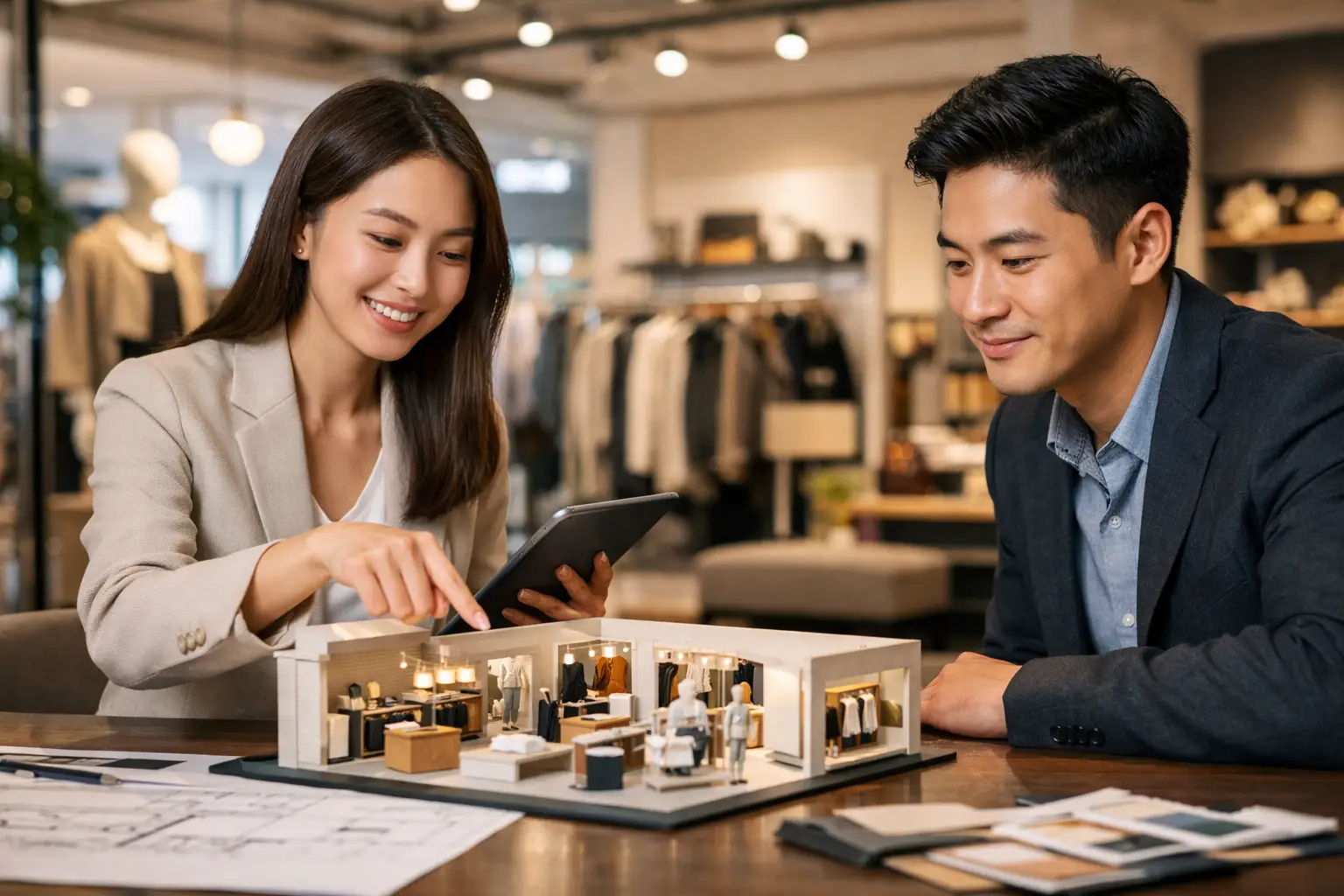
A customer decides how they feel about a store before they touch a product. The sightline from the entrance, the spacing between fixtures, the way lighting falls on merchandise, even the ease of moving from display to checkout – all of it is working at once. That is why retail interior design services matter far beyond appearance. They shape first impressions, support daily operations, and influence whether a space feels worth returning to.
For retail brands, good design is not decoration added at the end. It is part of the business model. A well-planned store can guide customer flow, strengthen brand recognition, and help staff work more efficiently. A poorly planned one can make even strong products feel harder to discover, harder to understand, and harder to buy.
What retail interior design services actually include
Retail interior design services cover much more than selecting finishes or choosing a color palette. At their best, they bring together spatial planning, brand expression, customer psychology, technical coordination, and build execution.
That usually begins with understanding the business itself. A fashion boutique, a beauty store, a specialty grocer, and a concept gift shop all have different rhythms. Some depend on browsing and discovery. Others need fast turnover, clear wayfinding, and durable surfaces that can handle constant traffic. The right design approach depends on how customers shop, how inventory is managed, and how the brand wants to be perceived.
From there, the work often extends into layout planning, storefront design, display strategy, material selection, lighting design, fitting room placement where needed, cashier positioning, storage integration, and coordination with renovation requirements. In stronger projects, these layers are not treated separately. They are composed together so the store feels intentional from front to back.
Why retail interior design services affect sales
Retail design has a direct commercial role. Customers rarely say, “I bought because the circulation path was well planned,” but they feel the result. They stay longer when a store feels easy to navigate. They engage more when product displays are clear and well lit. They trust a brand more when the environment looks considered rather than improvised.
This does not mean every store should aim for luxury. In many cases, the smarter move is restraint. A minimalist cosmetics shop may benefit from crisp lines and precise lighting because the products need visual focus. A lifestyle retailer may need warmer textures and layered displays to create a sense of discovery. A family-oriented store may prioritize openness, visibility, and durability over dramatic styling. Design works best when it supports the retail concept rather than competing with it.
There is also a practical side that affects revenue. If storage is badly located, restocking becomes slow. If checkout interrupts circulation, queues create friction. If shelves are too dense, customers overlook products. If the storefront lacks presence, foot traffic passes by. Each decision may seem small on its own, but together they shape sales performance.
The balance between brand identity and day-to-day function
A memorable retail space needs character, but it also needs discipline. One of the most common mistakes in retail interiors is leaning too heavily in one direction. Some stores focus so much on visual impact that they forget how the space will operate on a busy day. Others become purely functional and lose the emotional quality that makes a brand distinct.
The better approach is to build identity into practical elements. Brand tone can be expressed through materiality, fixture details, color restraint, signage integration, and the rhythm of the space. A modern contemporary store might use clean architectural lines and controlled contrast to communicate confidence. A Japandi-inspired concept may rely on soft textures, warm wood tones, and quiet composition to create calm. An industrial retail environment may suit brands that want edge and texture, but it still needs to feel curated rather than unfinished.
This is where tailored design matters. The same style cannot simply be copied from one retail concept to another. A strong interior should feel specific to the merchandise, the target customer, and the pace of the business.
Key design decisions that shape the customer experience
The storefront is the first threshold. It needs to attract attention without overwhelming the message. Transparency, framing, signage, and lighting all influence whether someone pauses or walks on. In high-footfall environments especially, the storefront should communicate the brand within seconds.
Inside, planning begins with movement. Customers need a clear sense of where to go, but not every store should feel linear. Some brands benefit from a guided path that introduces collections in sequence. Others need open browsing zones that encourage wandering. It depends on the product type, store size, and intended shopping behavior.
Lighting deserves more attention than it usually gets. General illumination alone is rarely enough. Accent lighting helps define hero products, while warmer or cooler temperatures can shift how materials and merchandise are perceived. Poor lighting flattens the store. Good lighting creates depth and hierarchy.
Fixtures and displays should also be considered as part of the architecture, not afterthoughts. Freestanding units, wall shelving, feature tables, and integrated storage all contribute to how products are read. When these pieces are proportioned well and aligned with the overall concept, the store feels composed. When they are added ad hoc, the space starts to lose clarity.
Retail interior design services for different store types
Not all retail spaces are judged by the same standards. A compact kiosk requires precision and immediate impact because every inch must work hard. A boutique allows for stronger storytelling and curated pacing. A multi-category retail store often needs a clearer zoning strategy so customers can understand the assortment quickly.
Beauty retail, for example, often benefits from bright, flattering lighting, hygienic finishes, and a layout that supports testing and consultation. Fashion retail may place more emphasis on fitting room experience, mirror placement, and visual merchandising flexibility. Specialty food retail usually needs stronger coordination between display aesthetics, cleaning requirements, and product replenishment.
This is why portfolio breadth matters when evaluating a design partner. Experience across different commercial environments tends to produce sharper judgment. Teams that understand both aesthetic range and operational needs are better equipped to tailor solutions instead of applying the same formula repeatedly.
What to look for in retail interior design services
A polished presentation is not enough. Retail clients should look for evidence of real execution. That includes completed projects, clear design concepts, and an ability to work across different styles without losing coherence.
It also helps to see whether the designer can translate a brief into a space with its own character. Can they create a modern minimalist store that feels warm rather than sterile? Can they design a luxurious environment that still supports efficient browsing? Can they adapt the concept to different footprints and budgets without diluting the experience?
Communication matters just as much as creativity. Retail projects often involve timelines tied to lease terms, launch dates, and operating costs. A dependable design team should be able to coordinate the creative vision with practical implementation, resolve constraints early, and make decisions that hold up beyond opening day.
At Space Atelier, this tailored approach is central to the way commercial interiors are shaped – not as generic packages, but as project-specific environments that reflect the brand, the space, and the people who use it.
When bespoke design is worth the investment
Some retailers hesitate to invest in professional design because they see it as an optional layer. That may be true for a temporary setup with minimal brand ambition. But for businesses that want a store to support reputation, customer loyalty, and operational ease, bespoke design usually pays for itself in more durable ways.
It can reduce expensive revisions later. It can improve how efficiently the space functions. It can help a young brand look established, or help an established brand feel refreshed without losing recognition. Most importantly, it creates a customer experience that feels considered rather than accidental.
There are trade-offs, of course. Customization often takes more time than standard solutions, and ambitious materials or bespoke fixtures can affect budget. But not every project needs complexity to feel premium. Often, the most successful retail interiors are the ones that know where to invest and where to stay quiet.
A retail space should do more than house products. It should express the brand with confidence, support the team behind the counter, and give customers a reason to step in, stay engaged, and come back. When that balance is right, design stops being background and starts becoming part of the sale.
Do you have any enquiry?
Send us an enquiry! Let’s change ideas about what you want for your space.
CONTACT US