

Japandi vs Scandinavian Interiors: Key Differences
Japandi vs Scandinavian Interiors: Key Differences
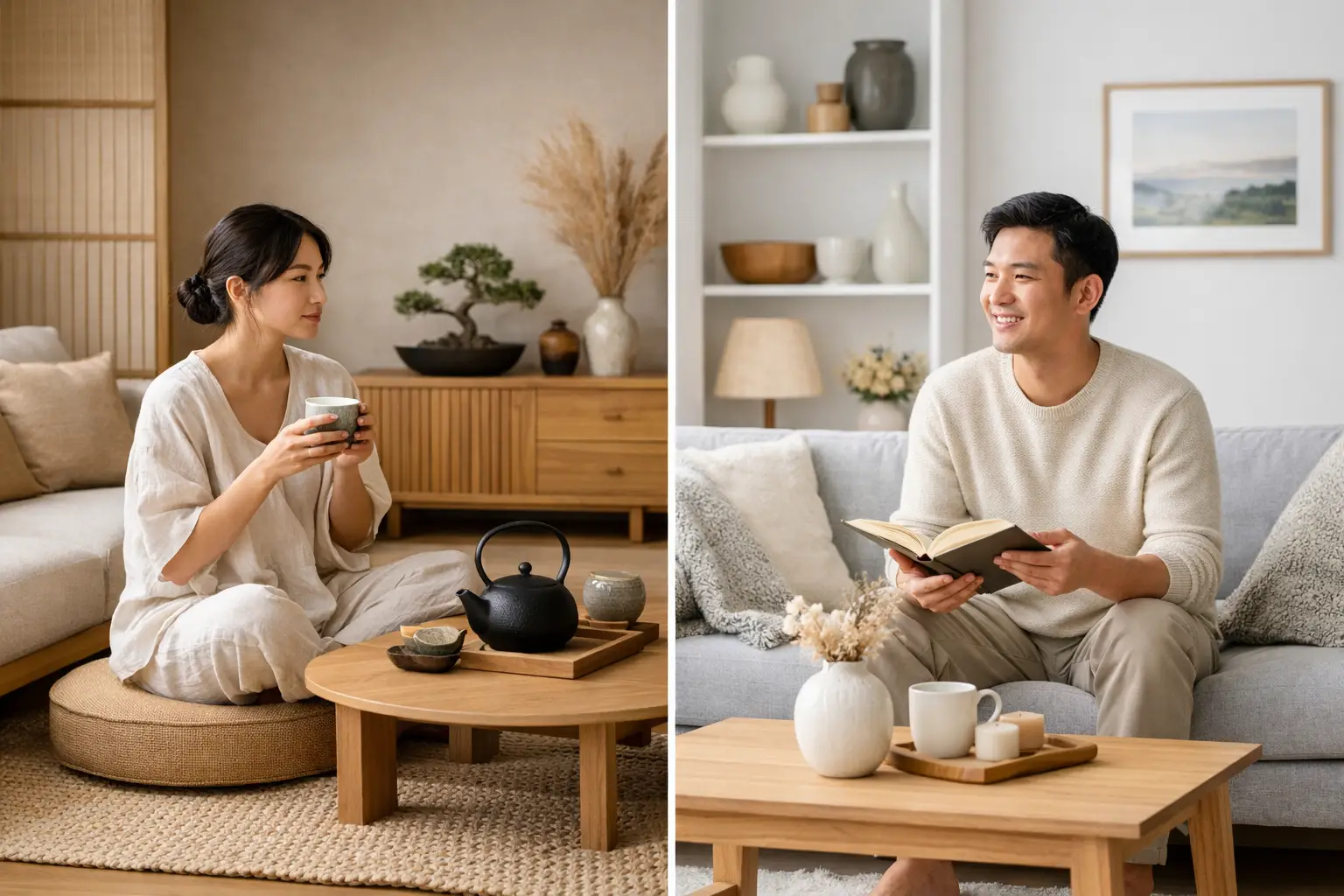
A light oak dining table, soft neutral walls, and clean-lined seating can belong to either style at first glance. That is why the conversation around japandi vs scandinavian interiors often starts with confusion. In practice, the difference is less about trend labels and more about how a home feels to live in – how it holds light, how it frames daily routines, and how much visual quiet you want around you.
For homeowners planning a renovation, this distinction matters. A style direction shapes more than furniture selection. It influences carpentry detailing, storage planning, material combinations, lighting choices, and the atmosphere that settles into the space long after move-in day. When the concept is clear from the beginning, the result feels cohesive rather than styled in fragments.
Japandi vs Scandinavian interiors: where they overlap
It makes sense that these two styles are often grouped together. Both favor restraint over excess. Both value natural materials, practical layouts, and rooms that feel calm rather than crowded. You will see timber finishes, muted palettes, simple forms, and an emphasis on livability in both.
That shared foundation is what makes them compatible, but it is also what makes the comparison easy to flatten. Scandinavian interiors are rooted in brightness, comfort, and ease. Japandi interiors bring in more stillness, contrast, and visual discipline. One tends to feel airy and casually welcoming. The other feels more edited and grounded.
In a well-designed home, either style can look refined. The decision comes down to the emotional tone you want to create.
The Scandinavian interior: light, approachable, and gently layered
Scandinavian interiors are often built around daylight. The palette usually stays light – think warm whites, pale woods, soft gray, oatmeal, sand, and gentle taupe. This creates a sense of openness that works especially well in apartments, compact homes, and family spaces where brightness helps rooms feel larger and more relaxed.
Furniture in Scandinavian schemes is clean-lined, but rarely severe. There is softness in the profiles, whether through rounded chair backs, cozy upholstery, or woven textures that break up hard surfaces. The style is known for comfort, and that comfort is visible. A living room does not feel staged for display. It feels ready for real use.
Texture plays an important role here. Linen curtains, boucle seating, wool rugs, light timber grains, and matte ceramics add depth without making the room visually heavy. Even when the design is minimal, it still feels warm.
For homeowners who want a timeless look with broad appeal, Scandinavian interiors are often a smart fit. They are adaptable across HDB flats, condos, and landed homes because they can be styled simply or made more polished depending on the level of detailing. They also age well, which matters if you want a renovation that still feels current years later.
The Japandi interior: quieter, deeper, and more intentional
Japandi brings together Japanese restraint and Scandinavian simplicity, but the outcome is not just a hybrid of both. It has its own point of view. The mood is typically calmer, more contemplative, and a little more architectural.
Compared with Scandinavian interiors, Japandi often uses deeper wood tones, more tonal contrast, and a stronger sense of negative space. Furniture tends to sit lower. Lines are cleaner. Styling is more selective. Instead of layering a room with decorative softness, Japandi lets fewer elements carry more visual weight.
Materials matter a great deal. You might see oak, walnut, ash, stone, limewash, rattan, paper, clay, and textured fabrics used with restraint. Imperfection is also more welcome. A handmade ceramic vase, a subtly uneven plaster wall, or a timber surface with visible grain feels at home in a Japandi scheme because character comes from material honesty, not decoration.
This style suits homeowners who want calm without blandness. It is especially compelling when the architecture and built-ins are resolved thoughtfully. In a Japandi home, custom cabinetry, concealed storage, integrated lighting, and clean transitions between surfaces do a lot of the heavy lifting.
Color palette and contrast
If you are deciding between the two, color is one of the clearest signals.
Scandinavian interiors lean lighter overall. The palette tends to reflect light and maintain a bright, easy atmosphere. White or off-white walls are common, often paired with pale timber and soft textile accents. Black may appear in lighting or hardware, but usually in a limited way.
Japandi interiors are still neutral, but they are not always light in the same way. The palette can include mushroom, clay, putty, charcoal, olive, warm brown, and muted black. The effect is more grounded. It feels serene, but also more composed.
Neither approach is better. In a home with limited natural light, an overly moody Japandi palette may feel too heavy unless balanced carefully. In a large open-plan home, a very light Scandinavian scheme may feel visually thin without enough contrast or texture. This is where tailored design matters. The right palette should respond to the actual home, not just the reference image.
Styling and visual clutter
The difference between these styles often becomes most visible in the final layer.
Scandinavian homes can accommodate more casual styling. Framed prints, books, cushions, throws, and small decorative objects often feel natural within the scheme. There is still restraint, but the room can look lived-in and expressive without losing coherence.
Japandi asks for a more edited hand. Styling is sparse and deliberate. Decorative items are chosen for shape, material, and presence rather than quantity. A single sculptural branch, a textured vessel, or a low-profile lamp may be enough.
This has practical implications. If you prefer visual order and dislike surfaces filling up over time, Japandi may be easier to maintain. If you enjoy seasonal styling, collecting objects, or creating a softer family-home atmosphere, Scandinavian interiors may feel more forgiving.
Furniture, layout, and daily living
Both styles value function, but they express it differently.
Scandinavian furniture often prioritizes comfort with light visual weight. Sofas feel inviting, dining chairs are ergonomic, and layouts support easy movement and conversation. The rooms are practical, but there is a certain warmth in how they welcome everyday life.
Japandi furniture is usually more disciplined in silhouette. Pieces may sit lower and appear more sculptural. Layouts tend to feel intentionally open, with more breathing room between objects. This can create a very refined atmosphere, but it also means proportion becomes critical. In smaller homes, the wrong furniture scale can make a Japandi concept feel compressed rather than calm.
That is why built-in planning is so important. Storage has to be integrated elegantly, especially in compact urban homes where open minimalism can quickly turn into visible clutter if there is nowhere for daily items to go.
Which style works better for your home?
There is no universal answer, only a better fit for your space and habits.
For smaller apartments and family homes, Scandinavian interiors often feel immediately comfortable because they maximize light and offer flexibility. They work well for households that want design clarity without a strict visual regime.
Japandi interiors can be exceptional in homes where the owners value calm, order, and a more elevated sense of restraint. They also shine when the renovation scope allows for thoughtful material selection, custom millwork, and carefully resolved details. Without that level of consideration, the style can lose depth and end up looking merely sparse.
Many homeowners are not choosing one style in its purest form. A tailored scheme may borrow the warmth and brightness of Scandinavian design, then introduce the tonal depth and discipline of Japandi. That kind of balance often feels more personal and more durable than following a label too literally. At Space Atelier, that project-specific approach is usually what gives a home its strongest identity.
How to choose with confidence
Start with your routines, not your mood board. Ask yourself whether you want your home to feel light and sociable or quiet and deeply restful. Notice the amount of daylight your rooms receive, the storage you need, and how much styling you realistically enjoy maintaining.
Then look at the bones of the space. Floor finish, ceiling height, window size, existing architecture, and room proportions all affect which direction will feel natural. A good concept does not fight the home. It sharpens what is already there and resolves what is missing.
The most successful interiors are not the ones that copy a style perfectly. They are the ones that translate a style into daily life with clarity. If Scandinavian feels too soft and Japandi feels too austere, the right answer may be somewhere in between. The goal is not to match a category. It is to create a home that feels considered the moment you step inside and effortless every day after.
Do you have any enquiry?
Send us an enquiry! Let’s change ideas about what you want for your space.
CONTACT US