

Modern Luxury Living Rooms That Feel Personal
Modern Luxury Living Rooms That Feel Personal
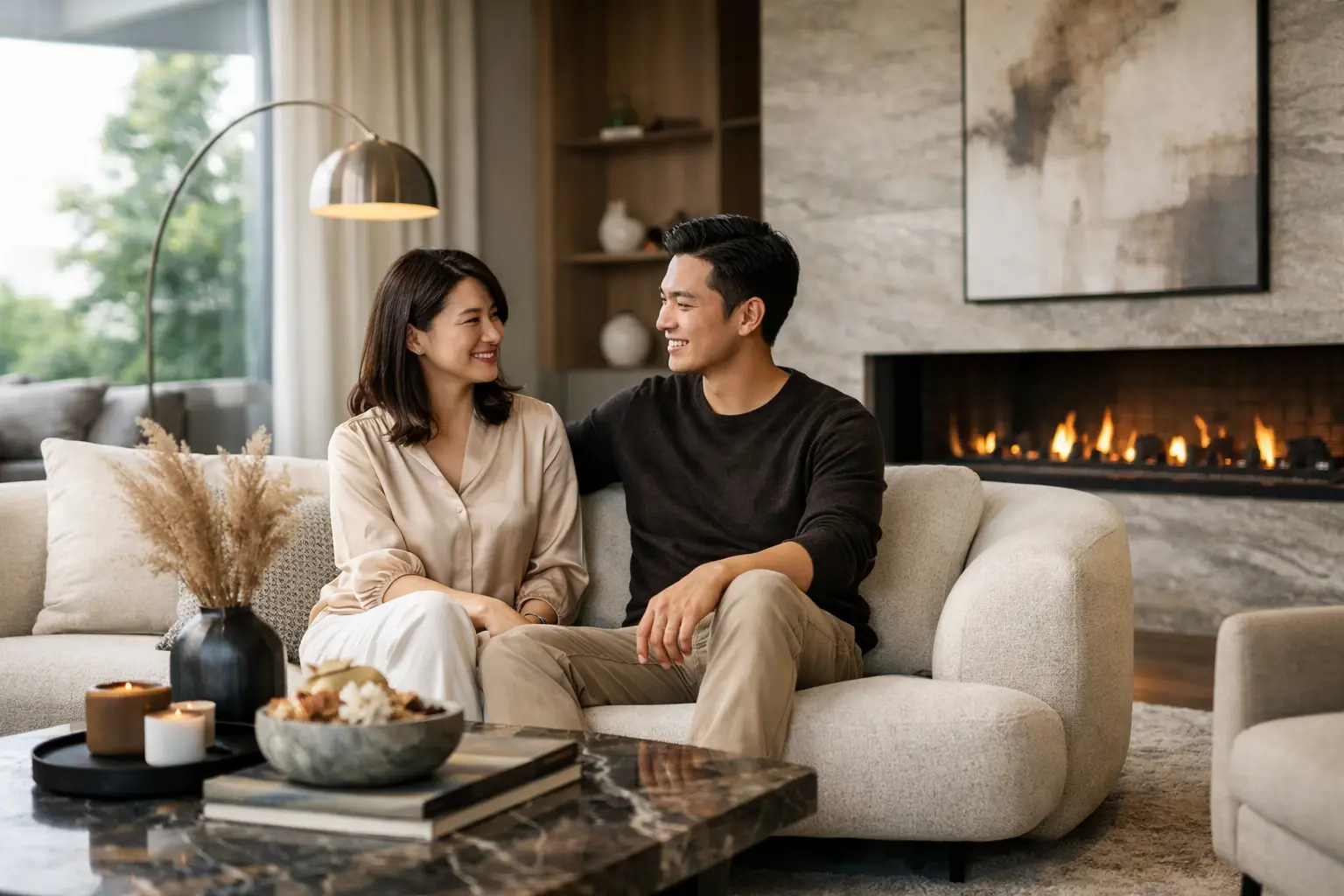
A luxurious living room is not defined by a chandelier, an oversized sofa, or a room filled with expensive finishes. The most successful modern luxury living rooms feel composed from the moment you enter: light lands beautifully, materials invite touch, and every element has a clear purpose. The result is elevated but never performative – a space designed for quiet mornings, lively gatherings, and the rhythms of daily life.
For homeowners, luxury is increasingly personal. It may mean a gallery-like condo lounge with sculptural lighting, a warm and layered landed home, or a compact HDB living area that feels more generous through thoughtful planning. The common thread is not a fixed formula. It is a carefully considered balance of proportion, materiality, comfort, and restraint.
What Defines Modern Luxury Living Rooms?
Modern luxury begins with clarity. Rather than crowding a room with decorative statements, it gives each feature enough visual breathing room to be appreciated. Clean architectural lines, tailored furnishings, and a restrained palette establish the foundation, while texture keeps the space from feeling cold or overly formal.
This is where modern luxury differs from a purely minimalist interior. Minimalism can reduce a room to only its essentials. Luxury, on the other hand, allows for richness – a deeply veined stone surface, a wool-and-silk rug, fluted timber paneling, or a hand-finished occasional chair – provided those choices contribute to a coherent whole.
Scale matters as much as selection. A low-profile sectional may suit a wide open living area, while a more compact sofa with slender arms can preserve circulation in a BTO apartment or resale flat. A large artwork can make a stronger impression than several small wall decorations. The goal is not to fill every corner, but to create visual confidence through intentional placement.
A calm palette with depth
Neutrals remain central to modern luxury because they allow form, natural light, and texture to take the lead. Warm ivory, soft taupe, mushroom gray, charcoal, and deep brown create a sophisticated base without demanding attention. In Singapore homes, where daylight can be intense, these tones can also soften the visual temperature of a room.
A neutral palette should not be mistaken for a flat one. Layer subtle variations across upholstery, curtains, wall finishes, and rugs. For example, a creamy boucle lounge chair can sit comfortably beside a taupe sofa and smoked oak cabinetry. Blackened metal details or a muted burgundy accent can add contrast without disrupting the overall calm.
The right accent color depends on the mood of the home. Forest green and walnut introduce a grounded, residential warmth. Deep blue and brushed brass feel more tailored and metropolitan. For a lighter contemporary scheme, pale stone and soft greige paired with champagne-toned metal can create an understated glow.
Materials That Make Luxury Feel Real
Materials carry much of the emotional weight in a modern luxury interior. They determine whether a room feels merely decorated or genuinely crafted. This does not mean every surface needs to be rare or costly. It means selecting finishes that look considered, wear well, and feel appropriate to the way a household lives.
Natural stone is often used for TV walls, coffee tables, side tables, or low consoles because its variation gives an interior a sense of permanence. Marble offers drama, while travertine and limestone create a quieter, more organic expression. In family homes, engineered stone or high-quality sintered surfaces may be the more practical choice, especially where staining, scratches, and maintenance are concerns.
Timber introduces warmth and visual relief. It may appear as a full-height feature wall, ribbed paneling, a floating media console, or a carefully detailed ceiling element. Darker woods can lend gravity to a large room, but they require sufficient natural or layered lighting. In a smaller apartment, lighter oak or walnut tones often provide depth without making the interior feel enclosed.
Textiles complete the composition. Consider a tactile rug beneath the seating area, curtains that fall generously from ceiling height, and cushions in linen, velvet, leather, or woven fabric. These layers improve acoustics as well as comfort. A beautiful room that echoes or feels stiff will never be truly luxurious to live in.
The value of custom detailing
Built-in carpentry is especially powerful when it is designed as part of the architecture rather than treated as storage added after the fact. A media wall can conceal cables, integrate display niches, and visually anchor the room. A low cabinet can continue into a window seat, creating a longer horizontal line that makes the space appear more expansive.
Details such as shadow gaps, recessed handles, integrated lighting, and carefully aligned panel joints are subtle, but they are often what distinguish a tailored interior from a standard renovation. These decisions require early coordination between design, carpentry, electrical planning, and site execution. They are not simply finishing touches.
Design the Room Around How You Gather
A living room should support the way its owners actually spend time. Before selecting furniture, consider how the room will be used after work, on weekends, and when guests visit. A couple who hosts often may prioritize conversational seating and a flexible coffee table arrangement. A family with young children may prefer rounded edges, durable fabrics, concealed storage, and circulation that remains easy even when the room is active.
Start with a focal point. In some homes, it is a media wall. In others, it may be a picture window, a feature artwork, or a fireplace-inspired composition. Once the focal point is established, arrange seating to support it without forcing every piece to face the television. Two occasional chairs angled toward a sofa can make the room feel more social and less like a viewing area.
Leave enough space around furniture for the room to breathe. This is particularly important in apartments, where a large sofa may look impressive in a showroom but dominate the floor plan at home. A designer can assess sightlines, walkway widths, door swings, and the relationship between the living and dining zones before investment is made in key pieces.
Lighting Is the Quiet Signature of Luxury
One ceiling light rarely does justice to a refined living room. Layered lighting gives the space flexibility and creates atmosphere after sunset. Ambient light provides overall illumination, task lighting supports reading or focused activities, and accent lighting brings attention to artwork, textured walls, or display objects.
Cove lighting can make a ceiling plane feel lighter, while wall washers reveal the texture of stone or timber. A sculptural floor lamp adds a softer, more intimate pool of light beside a lounge chair. Decorative pendants work best when they are scaled to the room and hung with purpose, rather than used as ornament alone.
Dimming is worth planning from the start. It allows the same room to shift from bright and practical in the afternoon to relaxed and cinematic at night. Warm light generally complements timber, stone, and neutral upholstery, but the final effect depends on the finish palette and the amount of daylight the home receives.
Avoid the Common Shortcuts
Luxury can lose its impact when too many finishes compete. A statement marble wall, mirrored panels, metallic wallpaper, bold art, and a dramatic chandelier may each be attractive individually, yet together they can make a room feel busy. Choose one or two dominant gestures, then allow quieter elements to support them.
Another common misstep is prioritizing appearance over comfort. A sofa should invite long conversations, not simply photograph well. Delicate materials may be appropriate for a formal lounge, but a heavily used family room needs fabrics and surfaces that can handle real life. There is no universal best choice; the right specification depends on the household, maintenance preferences, and intended use of the room.
Finally, resist furnishing the room all at once without considering art, objects, and negative space. A curated home develops character through a mix of architectural elements and personal pieces. Books, ceramics, travel objects, and artwork can bring a polished setting closer to its owners, provided they are edited with the same care as the larger furniture.
A Tailored Expression of Home
Modern luxury is most compelling when it reflects the people who live with it. At Space Atelier, the strongest living rooms begin with an understanding of the property, its spatial potential, and the lifestyle the home needs to hold. From a compact apartment to a generous landed residence, the design should feel resolved in every view and comfortable in every moment.
Choose the materials that age gracefully, invest in the pieces you touch and use most, and give the room enough space to feel calm. That is where a living room becomes more than an impressive setting – it becomes a personal place to return to.
Do you have any enquiry?
Send us an enquiry! Let’s change ideas about what you want for your space.
CONTACT US