

Modern Luxury Home Trends That Feel Personal
Modern Luxury Home Trends That Feel Personal
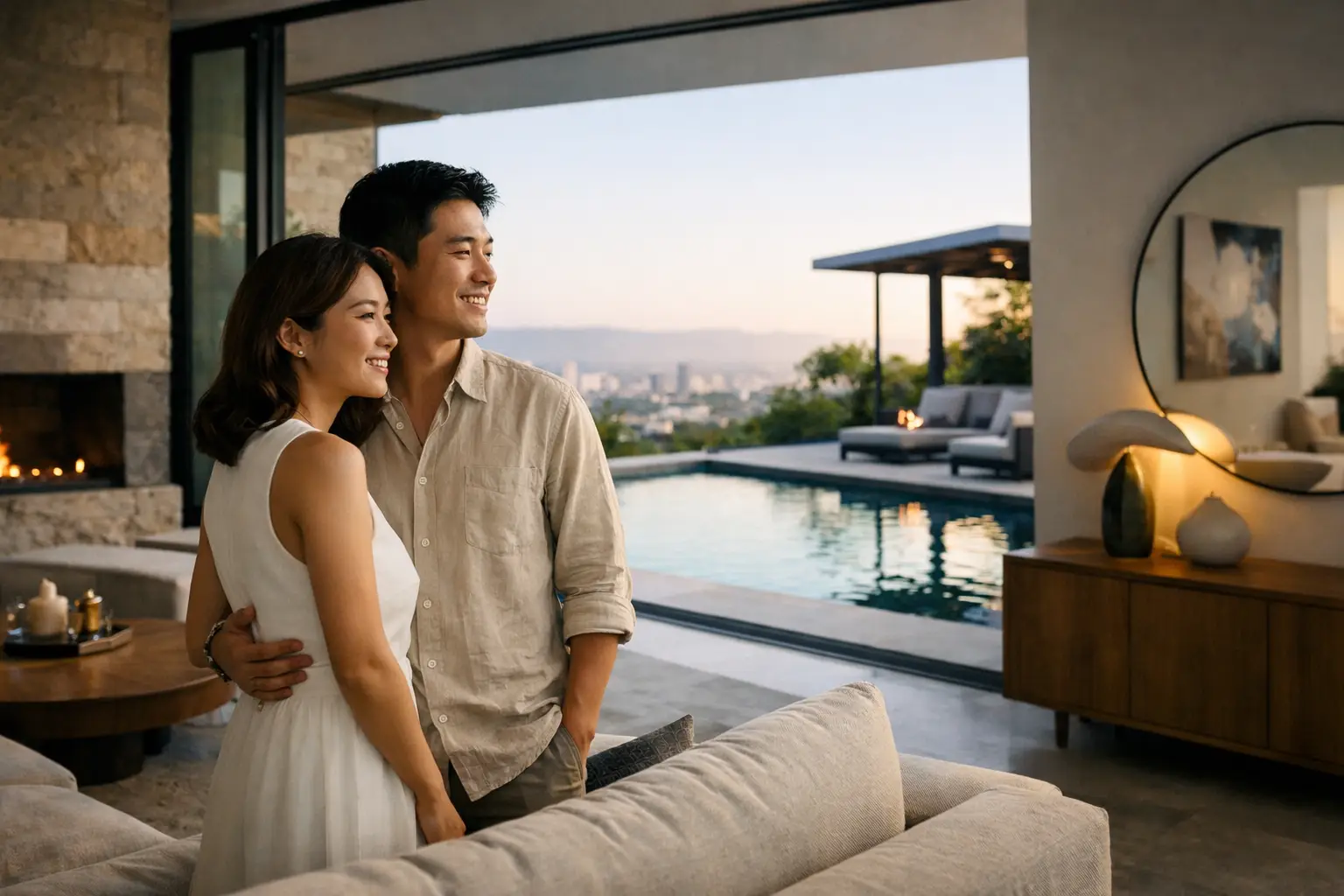
A luxury home is no longer defined by a room filled with expensive finishes. The most compelling modern luxury home trends are quieter and more personal: a layout that anticipates the morning rush, materials that become richer with use, and a sense of visual calm that makes every room feel intentional. For homeowners renovating an apartment, condo, or landed residence, luxury now rests as much in how a space performs as in how it photographs.
This shift is especially meaningful where square footage is precious. A tailored interior can make a compact home feel composed rather than constrained, while a larger residence can feel intimate rather than excessive. The goal is not to replicate a showroom. It is to create a home with clarity, comfort, and a distinct point of view.
Modern Luxury Home Trends: Warmth Over Display
Cool gray palettes, glossy surfaces, and highly ornamental details once signaled premium living. They can still have a place, but contemporary luxury is moving toward greater warmth and depth. Think limestone-toned finishes, oak or walnut cabinetry, brushed metal, textured plaster, and natural stone with visible movement rather than perfectly uniform patterning.
These materials give an interior a layered, grounded quality. They also reward close attention. A honed stone countertop, for example, feels different from a high-polish surface. It absorbs light softly and allows the natural variation in the material to remain part of the design.
The right choice depends on the household. Natural stones and timber veneers bring character, but require thoughtful maintenance. Families who cook often may prefer engineered surfaces in hard-working zones, while reserving natural stone for a feature wall, vanity, or dining area. Luxury is not choosing the most delicate material. It is selecting finishes that suit the way the home is truly used.
A restrained palette with richer texture
Modern luxury interiors tend to rely on a controlled palette rather than a single color repeated everywhere. Warm whites, muted taupes, deep browns, charcoal, and soft mineral shades create a calm foundation. Contrast comes through texture: ribbed glass, woven textiles, timber grain, fluted panels, leather, and matte metal.
This approach keeps the home from feeling flat without making it visually busy. In a small living room, a textured wall finish, a sculptural pendant, and a well-proportioned rug may provide more impact than several competing decorative features. The room feels curated because each element has room to register.
Tailored Storage Is Becoming a Design Feature
A refined home does not need to look sparse, but it does need to feel organized. Custom cabinetry has become central to modern luxury because it resolves everyday clutter while giving the architecture a stronger rhythm. Full-height storage can frame an entryway, conceal appliances, create a study nook, or turn an underused wall into a purposeful composition.
The difference lies in the detailing. Integrated pulls, recessed reveals, shadow gaps, carefully aligned grain direction, and a mix of open and closed compartments make built-ins feel considered rather than bulky. Where space allows, a concealed pantry or utility cabinet keeps practical items close at hand without interrupting the visual flow of the kitchen.
For smaller homes, storage should not become a wall of identical cabinets. Varying the depth and function of each section creates a more livable result. A shallow display ledge near the dining table, deep drawers below a window seat, and a closed cabinet for household essentials can serve distinct needs while maintaining a coherent material language.
Lighting Is Layered, Soft, and Architectural
One central ceiling light is rarely enough to make a luxury interior feel inviting. Current schemes use layers of illumination to shape mood and support different routines. Ambient light establishes an overall glow, task lighting supports work and preparation, and accent lighting draws attention to artwork, joinery, or a textured surface.
Indirect lighting is particularly effective in contemporary homes. A concealed cove can soften a ceiling line, while LED strips within cabinetry add depth and make storage easier to use after dark. Wall sconces beside a bed or reading chair create intimacy without relying on overly bright overhead fixtures.
The most successful lighting plans are designed early, before ceilings and joinery are finalized. Retrofitting can still improve a room, but coordinated lighting feels more integrated when outlet positions, switch locations, curtain pockets, and architectural details are planned together. Dimming controls are equally valuable. The same living room may need bright clarity for hosting lunch and a lower, warmer setting for an evening at home.
Kitchens and Bathrooms Feel More Like Living Spaces
The kitchen remains a focal point, but the trend is away from a purely utilitarian appearance. Cabinetry is increasingly furniture-like, with framed details, warmer finishes, integrated appliances, and islands that invite conversation as well as meal preparation. A waterfall counter can still feel contemporary, though a slimmer profile or rounded edge may better suit a softer, more residential composition.
Open-plan layouts benefit from visual transitions. A change in ceiling treatment, lighting, cabinetry color, or flooring can define the kitchen without closing it off. This is useful for households that want connection between cooking, dining, and lounging, but do not want every practical detail on display.
Bathrooms are moving in a similarly tactile direction. Large-format porcelain, natural stone, fluted glass, wood-look cabinetry, and soft lighting transform a functional room into a restorative one. The most enduring bathroom designs balance atmosphere with practical considerations: sufficient ventilation, storage for daily products, non-slip flooring, and finishes that are realistic to maintain.
Quiet Technology, Not Visible Gadgetry
Smart-home features are now expected in many premium renovations, but the strongest designs keep them discreet. Motorized shades, climate controls, integrated speakers, digital locks, and app-controlled lighting can improve comfort without turning the home into a technology display.
The key is selecting systems that the household will actually use. A highly complex control setup may be impressive on handover day but frustrating months later. Simple scenes, such as “morning,” “away,” and “evening,” often deliver greater value than an elaborate system with too many commands. Technology should reduce friction, not add another layer of decision-making.
Rooms With a Clear Purpose
Flexible spaces remain valuable, yet modern luxury is also about assigning rooms a genuine role. A spare corner can become a focused work zone with proper lighting and concealed cable management. A secondary bedroom may work better as a dressing room and guest suite than as a rarely used catch-all. In a landed home, a lounge outside the bedrooms can offer a private place for reading, study, or family conversation.
These decisions begin with lifestyle rather than style labels. How often do you entertain? Do you work from home? Is cooking a daily ritual or an occasional pleasure? Do children need room to spread out, or do you prefer a home that feels calm and adult-oriented? A well-designed interior reflects these answers in its circulation, storage, and furniture planning.
At Space Atelier, this is where a project-led approach matters. A modern luxury residence should not look identical across different property types or households. A compact apartment may call for visual continuity and transformative joinery, while a larger home can support stronger spatial transitions and more expressive material moments.
The Most Lasting Trend Is Personal Edit
Trends are useful for identifying new possibilities, but they should not dictate every choice. An interior with longevity usually combines contemporary planning with objects and materials that feel personally meaningful. A vintage dining table, a collected artwork, a family heirloom, or a handmade ceramic piece can give a polished room the character that no catalog can provide.
The finest modern luxury homes feel edited, not empty. They leave space for daily life, changing routines, and the details that make a residence unmistakably yours. Start with what you want to feel when you walk through the door, then let every material, line of light, and piece of furniture support that experience.
Do you have any enquiry?
Send us an enquiry! Let’s change ideas about what you want for your space.
CONTACT US