

Condo Interior Design That Fits Real Life
Condo Interior Design That Fits Real Life
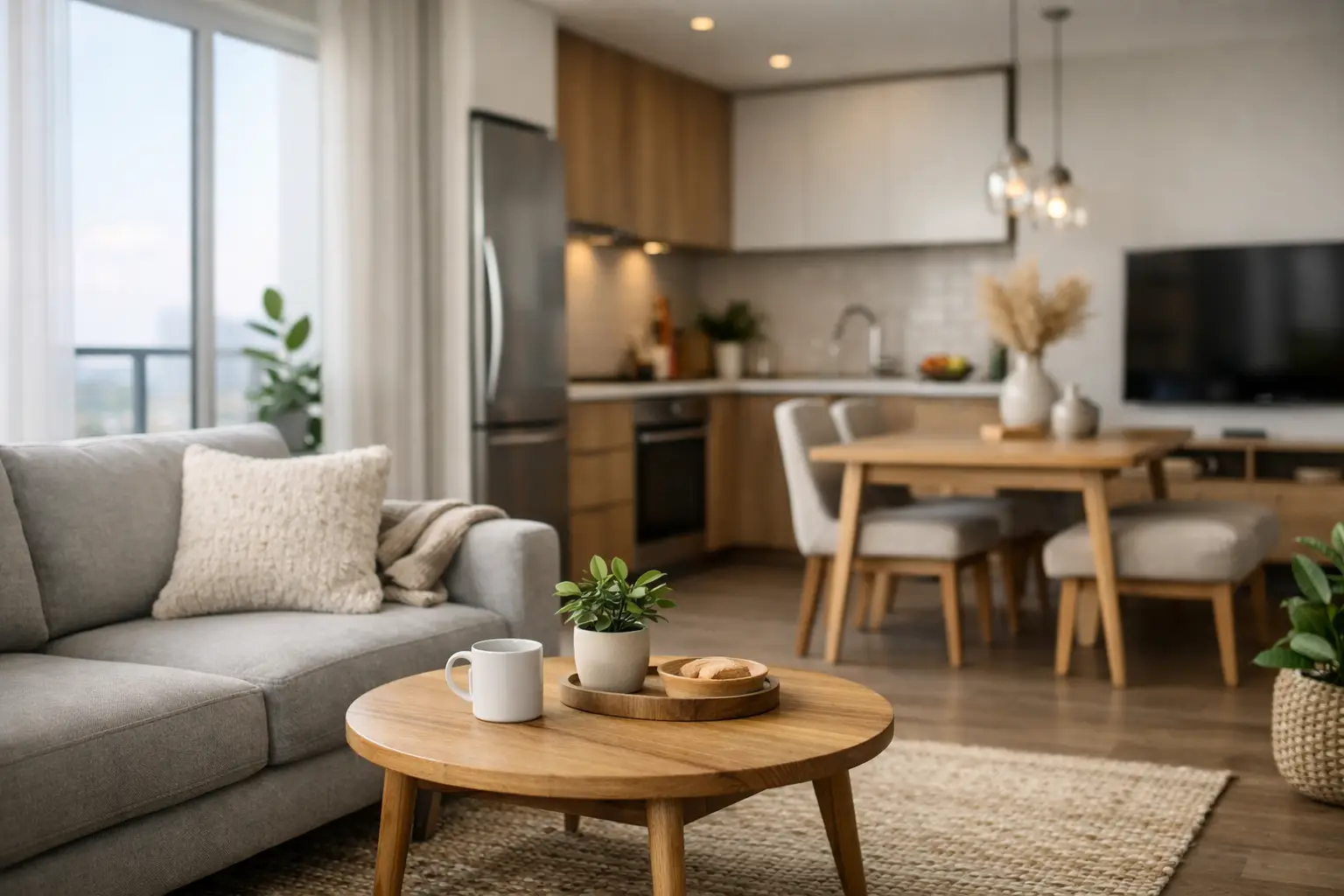
A condo can look generous on paper and still feel tight the moment daily life moves in. The issue is rarely square footage alone. More often, it is how the home handles circulation, storage, light, and privacy. Good condo interior design resolves those pressures quietly, so the space feels composed rather than crowded.
That balance is what makes condominium homes so distinct. Unlike landed houses, condos often come with structural limits, compact room sizes, and shared building systems that shape what can and cannot be changed. Yet those same constraints can produce some of the most refined interiors when every decision is considered. The best results are not about filling a home with features. They come from designing around the way a household actually lives.
What makes condo interior design different
Condo living asks more from each room. An entry may need to create arrival without consuming floor area. A living room may also function as a work zone, reading corner, or occasional guest space. Bedrooms are often expected to feel restful while still accommodating wardrobes, study areas, or concealed storage.
This is where tailored planning matters. In condo interior design, the objective is not simply to make a smaller home look larger. It is to create proportion, ease, and visual clarity. That means studying where movement happens, where clutter tends to collect, and which views deserve emphasis the moment you walk in.
There is also the question of permanence. Some owners renovate for long-term family use, while others are shaping a home for a new chapter, a property upgrade, or investment potential. Those priorities affect everything from material choice to built-in carpentry. A highly customized scheme can be deeply satisfying, but it should still suit the life of the property and not just a passing trend.
Start with the layout before the styling
A well-dressed condo can still feel unresolved if the layout works against the home. Before selecting finishes, it is worth examining how each zone performs. Does the dining area feel necessary, or would a more flexible island arrangement support daily use better? Is the corridor simply transitional, or could it be integrated into storage or display? Could a study enclosure improve focus, or would it block too much natural light?
These choices are rarely universal. An open-plan layout can make a compact condo feel airy, but it also reduces acoustic privacy and limits concealed storage opportunities. More partitions can provide order and function, but too many will fragment the home. The right answer depends on household routines, entertaining habits, and how much visual calm the owners prefer.
In many projects, the strongest move is not dramatic demolition but selective refinement. Aligning cabinetry, widening visual sightlines, and reducing awkward transitions can change the experience of a home without forcing every room into a fully open concept.
Designing for space without making it feel clinical
Many condo owners ask for spaciousness, but spaciousness should not come at the expense of warmth. Minimal interiors are appealing because they reduce noise, yet if every surface is pale and every detail disappears, the home can feel impersonal.
The more successful approach is controlled restraint. A clean material palette, integrated storage, and quiet detailing can create openness, while texture adds depth. Timber grains, matte stone finishes, soft upholstery, fluted panels, and warm lighting keep the home from feeling flat. This is especially effective in styles often favored for condominium living, including Modern Minimalist, Japandi, Modern Contemporary, and Wabi-Sabi influences.
Scale also matters. Furniture that is too bulky will make a condo feel compressed, but pieces that are too slight can leave it feeling temporary. Proportion should be calibrated to the room, not chosen in isolation. A low-profile sofa may improve visual openness, while a dining table with slimmer legs can maintain function without adding heaviness.
Storage should shape the design, not interrupt it
Storage is where many condo interiors either hold together beautifully or begin to unravel. Open shelves may photograph well, but daily life usually calls for more concealment than display. When storage is treated as an afterthought, visible clutter quickly erodes even the most elegant design scheme.
Built-ins are often the most effective solution, especially when they are planned as part of the architecture of the room. Full-height cabinetry can make use of vertical volume, while window-seat storage, platform beds, banquette benches, and integrated TV walls help recover underused areas. In a compact kitchen, the difference between a functional layout and a frustrating one often comes down to drawer planning, appliance placement, and how the pantry is organized.
That said, more cabinetry is not always better. Overbuilding can make a condo feel visually dense. The goal is selective utility – enough enclosed storage to support order, with clean lines and balanced negative space so the rooms can breathe.
Light, material, and mood in a condo home
Natural light is one of the greatest assets in condominium living, especially in higher-floor units with broad views. Good design protects and amplifies that advantage. Heavy window treatments, poorly placed partitions, and dark finishes in the wrong areas can reduce the sense of openness very quickly.
A layered lighting plan is just as important after sunset. Relying on ceiling downlights alone tends to flatten the interior. Ambient lighting, task lighting, and feature lighting each play a role. Cove details, wall lights, under-cabinet strips, and carefully placed lamps introduce softness and dimension.
Material selection should also respond to how the home is used. A polished luxury aesthetic may be appropriate for owners who entertain often and prefer a more formal expression. Others may benefit from finishes that are forgiving, tactile, and easy to maintain. Condo interior design is strongest when visual ambition and practical upkeep are aligned. There is little value in specifying delicate surfaces for a household that needs durability first.
Style should reflect the property and the person
A condo does not need to conform to a single design language, but it should feel coherent. The most refined homes usually begin with a clear atmosphere rather than a list of decorative ideas. Calm and natural. Tailored and contemporary. Soft luxury. Urban and textural. Once that direction is defined, every finish and furnishing choice becomes easier to evaluate.
This is where project-specific thinking matters. A young couple may want a modern, understated home with hidden storage and a flexible work area. A family may prioritize child-friendly materials, better bedroom planning, and a dining space that supports daily routines. A resale condo may benefit from a full visual reset, while a newly completed unit may need subtler intervention focused on carpentry, lighting, and furniture composition.
Even within the same style category, outcomes can differ meaningfully. Modern Scandinavian can feel bright and casual or more curated and architectural. Industrial can read raw and masculine or polished and restrained. A tailored interior should interpret style through the client’s lifestyle, not impose a formula.
The role of customization in condo interior design
Condo homes reward detail. The reveal at the entry, the line of a full-height cabinet, the finish transition between dry and wet zones, and the way a mirror expands a narrow wall all contribute to the final experience. Customization is not only about uniqueness. It is about solving spatial conditions precisely.
That precision becomes especially valuable in irregular layouts, compact secondary bedrooms, or open living areas that need stronger zoning. A bespoke media wall can conceal wiring and storage while anchoring the room. A custom wardrobe can fit around structural beams cleanly. A dining banquette can recover inches that standard furniture would waste.
This is also where experience across different property types is useful. A team that has designed everything from compact apartments to private homes tends to recognize which solutions are genuinely functional and which are only visually appealing in staged photos. Space Atelier approaches projects with that broader perspective, shaping each interior around the realities of the property and the people living in it.
When to invest more – and where to stay disciplined
Not every part of a condo needs equal investment. If the budget has to stretch, prioritize the elements that are hardest to change later: layout decisions, electrical planning, kitchen functionality, bathroom detailing, and core carpentry. Decorative accents can evolve over time. Poor planning is more expensive to revisit.
There are also moments to stay restrained. Statement finishes can be beautiful, but too many focal points in a condo create visual competition. A more disciplined palette often gives a smaller home greater sophistication. Similarly, highly specialized built-ins may feel impressive at first but can reduce flexibility if the household’s needs change.
The strongest condo interiors are rarely the busiest ones. They are edited, responsive, and quietly confident. They feel complete because each decision supports the next.
A condo should not feel like a compromise between aspiration and practicality. With the right design direction, it can feel intentional from the first step inside – polished, personal, and fully in tune with the way you live.
Do you have any enquiry?
Send us an enquiry! Let’s change ideas about what you want for your space.
CONTACT US