

Smart Homes That Feel Designed, Not Overwired
Smart Homes That Feel Designed, Not Overwired
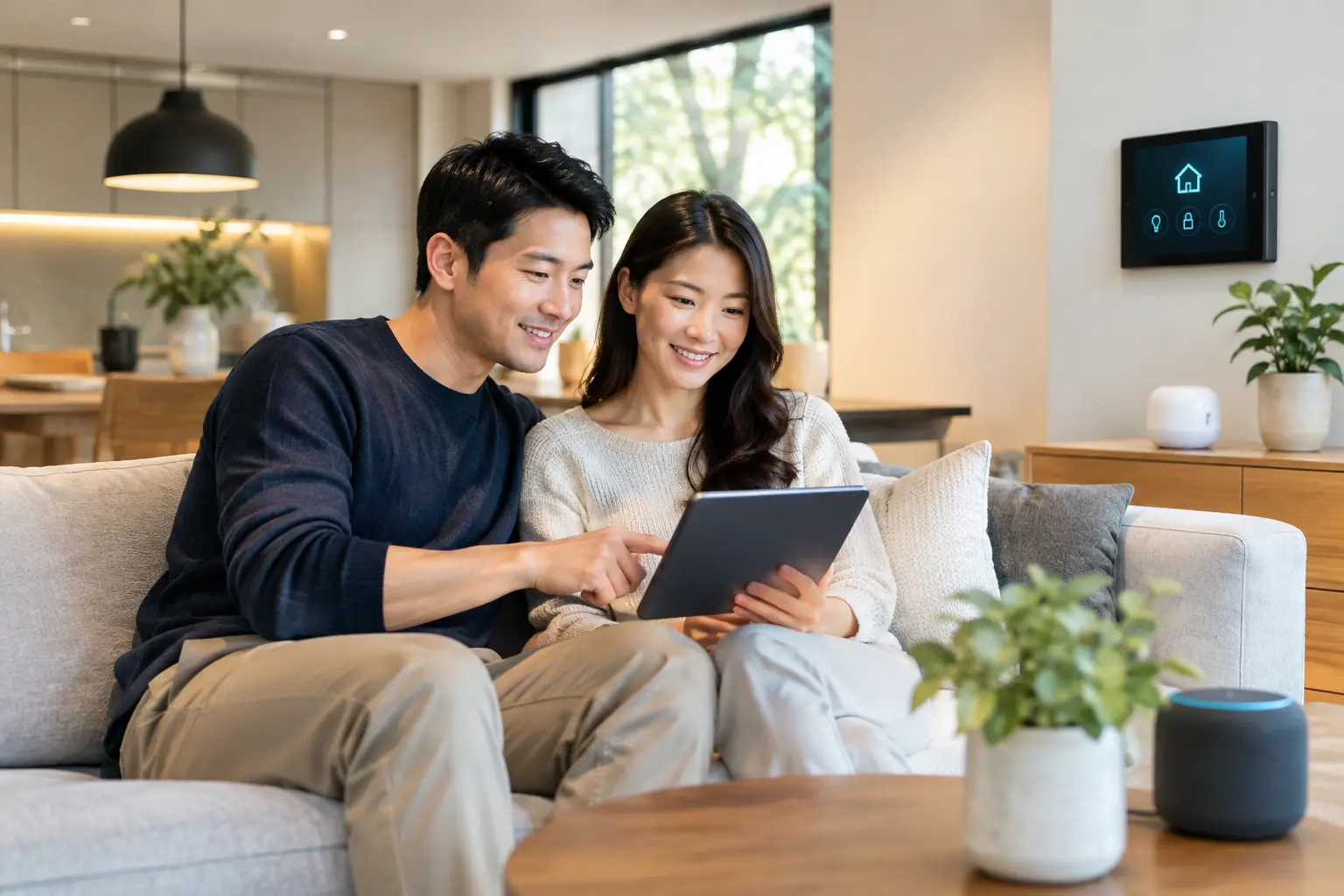
A concealed charging drawer by the entry, lights that soften as evening arrives, and air conditioning adjusted before the bedroom feels warm: smart homes are most compelling when these details simply feel like part of the interior. The goal is not to fill a home with devices. It is to create a calmer, more responsive setting for the routines that already matter.
For homeowners planning a renovation, the best time to consider technology is before walls are closed, millwork is finalized, and furniture layouts are fixed. A considered plan allows the home to remain visually composed while making everyday tasks more comfortable, efficient, and secure.
Smart Homes Begin With How You Live
Technology should respond to the household, not ask the household to change its habits. A family with young children may value a clear view of the front door, automated night lighting, and simple controls that guests can understand. A couple who travels often may prioritize remote monitoring, entry alerts, and systems that make the home appear occupied. Someone who works from home may benefit more from precise lighting scenes and acoustic planning than from a long list of connected appliances.
This is why a room-by-room conversation is more useful than choosing products first. Consider when you arrive home, where bags and keys are placed, which rooms are used at different hours, and where clutter tends to gather. These small observations reveal where automation will genuinely help.
A foyer may need a discreet place for chargers, a doorbell display, and lighting that welcomes rather than dazzles. In the kitchen, task lighting and accessible power points often have greater daily value than a voice-controlled refrigerator. In the bedroom, blackout shades, adjustable bedside lighting, and a quiet climate setting can make a noticeable difference to rest.
Design the invisible infrastructure early
A polished smart home depends on what cannot be seen. Power supply, wiring routes, network coverage, equipment ventilation, and access panels all need to be planned alongside the design concept. Retrofitting is possible, but it can introduce compromises: visible cables, devices placed wherever a socket happens to be available, or cabinetry that must be altered after installation.
In Singapore apartments, where every square foot has a purpose, this coordination is especially valuable. A router or control hub should not become an afterthought on an open shelf. It can be integrated into ventilated cabinetry, placed where signal strength remains reliable, and kept accessible for servicing. The same care applies to motorized shades, speakers, sensors, and smart locks.
A well-resolved interior does not advertise every piece of technology. Controls can sit within a clean switch plate, speakers can be recessed with intention, and charging can be built into a side table or cabinet rather than left to a tangle of cords.
Lighting Is the Most Transformative Layer
If there is one smart feature that consistently changes the experience of a home, it is lighting. Not because every lamp needs an app, but because light shapes how a space feels from morning through night.
A thoughtful lighting plan uses layers. General lighting provides orientation. Task lighting supports cooking, reading, grooming, and work. Accent lighting gives depth to a textured wall, art piece, display niche, or material palette. Smart controls make those layers easier to use without filling the ceiling with fittings or covering walls in switches.
A Modern Minimalist living room, for example, may use a bright daytime setting for cleaning and hosting, then shift to a warmer, lower scene for dinner. A Japandi-inspired bedroom can transition from gentle wardrobe illumination in the morning to low-level path lighting at night. These scenes should be calibrated to the furnishings, finishes, window orientation, and natural light in the room.
Avoid treating colored lighting as the default expression of smart design. It can be enjoyable for a specific mood or occasion, but most homes benefit far more from high-quality white light with adjustable warmth and dimming. The right temperature and placement will outlast novelty.
Make Control Simple Enough to Forget
The most successful technology disappears into routine. Voice control can be useful when hands are full, and an app is practical when away from home. Neither should be the only way to turn on a light, adjust the temperature, or close a shade.
Physical controls remain essential. A well-placed switch beside the bed, a keypad at the entry, or a simple scene button in the living room gives the home immediate usability for children, older relatives, and visitors. It also keeps essential functions available when Wi-Fi is unstable or a phone battery is low.
Choose a system with a clear hierarchy. Everyday actions should take one press or no press at all. Less frequent settings can live in an app. Complex automations should be used sparingly and tested in real life. A home that unexpectedly turns off lights during a late dinner is not intelligent; it is inconvenient.
This is where professional planning makes a difference. The design team can map switch locations around furniture and circulation, while the technology specialist confirms compatibility, coverage, and installation requirements. Space Atelier approaches these decisions as part of the wider interior composition, so function and visual restraint support each other.
Security Should Feel Reassuring, Not Intrusive
Smart locks, door viewers, cameras, and sensors can offer confidence, particularly for busy households or homes left vacant during travel. Yet security features should be selected with privacy and daily behavior in mind.
A smart lock is helpful when it offers dependable manual access, clear battery alerts, and permissions that can be adjusted for family members or service providers. A camera may be appropriate at an entrance or external boundary, but its placement should respect private areas of the home. Motion sensors can support security and energy management, though they need careful positioning to avoid false alerts from pets, curtains, or ordinary movement.
Before choosing any connected security product, consider who can access the account, what happens if the internet goes down, and how data is managed. Convenience is worthwhile only when the system is understandable and controlled.
Plan for Comfort, Not Gadget Count
Temperature, air quality, shading, and sound are often the quietest contributors to a better home. Automated shades can reduce glare on a television and protect finishes from harsh afternoon sun. Climate controls can make a room comfortable before it is occupied. Integrated audio may suit homeowners who entertain frequently, while others may prefer one flexible speaker rather than a whole-home installation.
The right choice depends on the property and its occupants. A landed home may require stronger network planning across multiple levels and outdoor zones. A condo or HDB apartment may benefit most from reliable coverage through concrete walls, discreet storage for equipment, and a focused selection of features that solve real constraints.
Energy use deserves the same practical lens. Scheduling air conditioning or lights can reduce waste, but automation alone does not guarantee savings. Efficient appliances, good window treatments, realistic schedules, and systems that are easy to override all play a part.
Future-Proof With Flexibility
No technology plan is permanently final. Devices change, apps are updated, and a household’s needs evolve. The most durable approach is to invest in adaptable infrastructure rather than chase every new feature.
Provide sufficient electrical capacity where it may be needed later. Use conduits or accessible routes where practical. Keep network equipment serviceable. Specify cabinetry that can accommodate replacement hardware, not only the exact dimensions of a current device. Most importantly, avoid locking the home into an overly complicated setup that only one person knows how to operate.
A beautifully designed home should still feel complete when a device is switched off. Its proportions, materials, storage, and lighting should stand on their own. Technology can then add a layer of ease rather than become the center of attention.
The best smart home is not the one that performs the most tricks. It is the one that gives you a softer arrival, a more restful evening, and more time to enjoy the rooms you chose to make your own.
Do you have any enquiry?
Send us an enquiry! Let’s change ideas about what you want for your space.
CONTACT US