

How Long Does Carpentry Last in Your Home?
How Long Does Carpentry Last in Your Home?
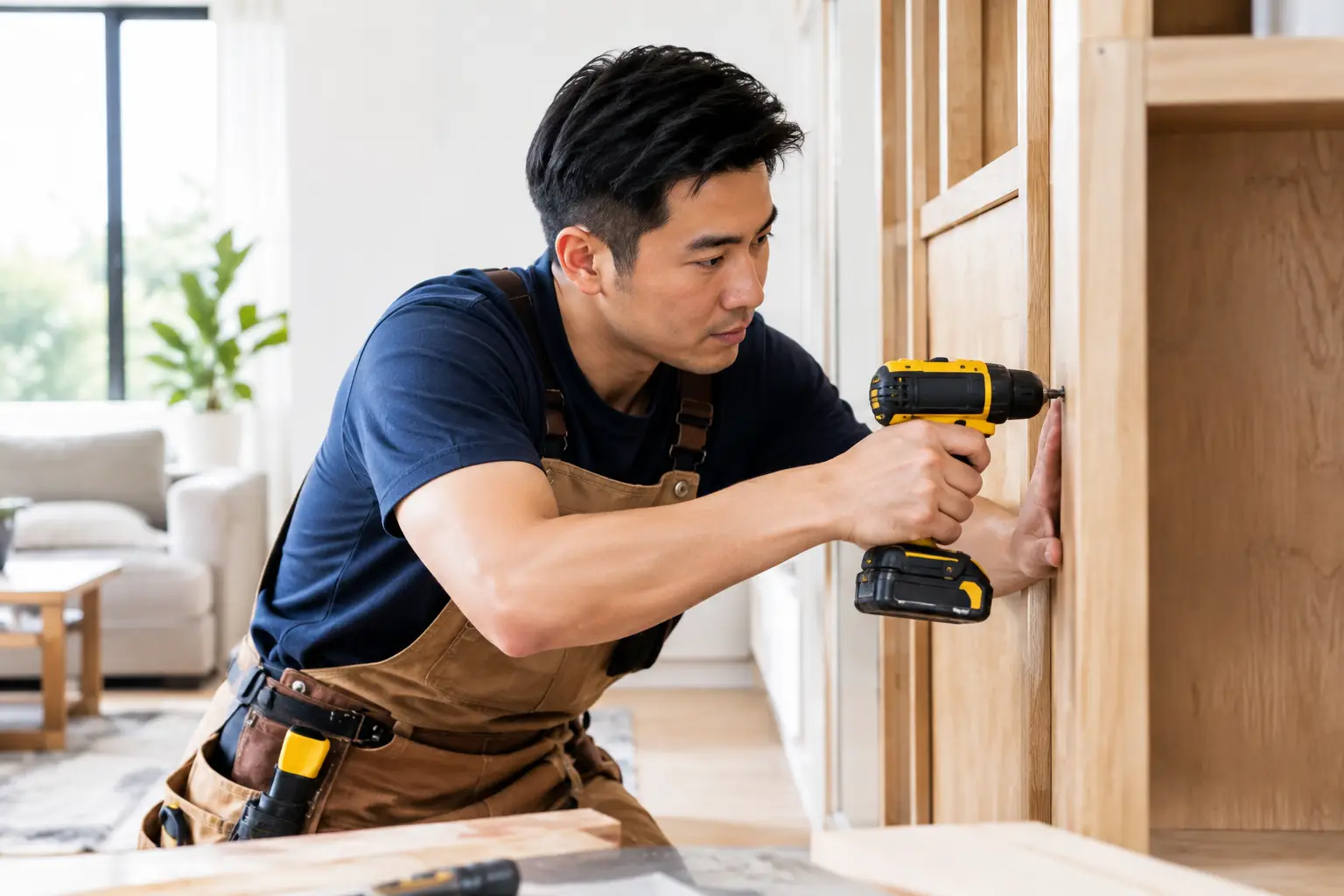
A full-height wardrobe may look pristine on handover day, yet its real test begins with daily use: humid mornings, loaded shelves, children pulling drawers, and doors opened hundreds of times a week. So, how long does carpentry last? For well-designed and professionally installed built-ins, a realistic expectation is 10 to 20 years, with premium cabinetry often lasting longer when it is maintained thoughtfully.
That range is broad because “carpentry” covers far more than one material or construction method. A kitchen cabinet beside a heat source faces a different life cycle from a display console in an air-conditioned living room. The quality of the boards, finishes, hardware, detailing, and installation all shape how gracefully a piece will age.
How Long Does Carpentry Last in Different Areas?
Most residential carpentry is designed to serve the home through a major portion of its life, not merely to look good for a few years. Still, each zone has different demands.
Wardrobes and bedroom built-ins: 15 to 20 years
Wardrobes, study storage, TV consoles, and feature walls can often last 15 to 20 years or more. These pieces generally avoid direct water exposure and intense heat, which gives their materials a more stable environment. A wardrobe with properly aligned doors, quality hinges, and adequate ventilation can remain highly functional long after its style has changed.
The exception is overloading. Deep shelves packed with books, luggage, or dense storage bins may bow over time if they were not designed with sufficient thickness, support, or span. Thoughtful internal planning matters as much as the exterior finish.
Kitchen cabinetry: 10 to 15 years
Kitchen carpentry usually experiences the hardest working conditions in a home. Steam, cooking residue, spills, heat, and frequent opening and closing all place stress on cabinet bodies, door fronts, edges, and hardware. A well-executed kitchen can last 10 to 15 years, while carefully maintained premium installations may extend beyond that.
Material choice matters here. Moisture-resistant boards, well-sealed edges, durable laminates or high-quality finishes, and hardware rated for daily use all contribute to a longer service life. Equally, a kitchen should be designed around actual habits. A family that cooks heavily needs more resilient details than a household that uses the kitchen occasionally.
Bathroom vanities: 8 to 15 years
Vanities are exposed to splashes, condensation, and occasional plumbing leaks. Even water-resistant materials have limits when moisture is allowed to sit at joints, cutouts, or cabinet bases. Expect a bathroom vanity to last roughly 8 to 15 years, depending on ventilation, material specification, and how quickly leaks are addressed.
A raised base, sealed countertop penetrations, and sensible clearance from wet zones can make a meaningful difference. In compact apartments, these details are not minor finishing touches. They protect the investment beneath the surface.
Loose furniture and decorative carpentry: 10 to 20 years
Custom benches, shoe cabinets, wall paneling, and freestanding pieces vary widely. Their lifespan is shaped by whether they are structural, how often they are moved, and whether the finish is exposed to sunlight or abrasion. Decorative paneling may last decades; a frequently used entry bench may need refinishing or hardware adjustments sooner.
What Determines Whether Built-In Carpentry Ages Well?
The visible surface is only one part of the story. Long-lasting carpentry begins with a clear brief, accurate site measurements, and materials suited to the room.
Board composition is especially significant. Particleboard is cost-effective and can perform well in dry, low-stress applications when properly finished. Plywood generally offers better screw-holding strength and moisture tolerance, making it a strong choice for demanding cabinetry. Other engineered boards may provide a refined, stable surface, but their suitability depends on their grade, edge treatment, and exposure to water.
Then comes the finish. Laminate is popular for its durability and broad design range. Veneer brings natural warmth but may need more careful maintenance. Painted surfaces create a tailored, elegant look, yet they can reveal chips or hairline marks more readily in high-contact areas. There is no universally best option. The right selection balances the desired aesthetic with the room’s use and the homeowner’s appetite for upkeep.
Hardware is another quiet determinant of quality. Hinges, drawer runners, lift systems, and handles absorb the daily mechanics of living. Soft-close systems feel refined, but their long-term performance depends on reputable components, correct installation, and doors that remain properly aligned. When a cabinet door begins rubbing against its neighbor, the issue may be a simple adjustment rather than evidence that the whole unit has failed.
Finally, execution matters. Uneven walls, floors, and ceilings are common in both new and older homes. Good carpentry accounts for those site conditions through careful scribing, leveling, anchoring, and tolerances. A beautiful design can lose years of performance if it is forced into place without this precision.
Singapore’s Humidity Changes the Equation
In Singapore, humidity deserves particular attention. Air moisture can affect wood-based materials, especially around windows, service yards, kitchens, and bathrooms. Condensation from air-conditioning, restricted airflow behind large built-ins, and persistent dampness can also contribute to swelling, musty odors, or mold growth.
This does not mean custom carpentry is unsuitable for tropical homes. It means the design and specification should respond to the climate. Ventilation slots where appropriate, moisture-conscious materials in wet areas, protected edges, and prompt repair of leaks are practical safeguards. Avoid pressing wet items against cabinet interiors, and allow enclosed storage to air periodically, particularly in rooms that remain shut for long stretches.
Signs It Is Time to Repair Rather Than Replace
Carpentry does not need to look brand-new to remain valuable. Many concerns are repairable, particularly when the cabinet bodies are still dry, stable, and structurally sound.
Loose handles, squeaking hinges, misaligned doors, sticky drawers, and minor laminate lifting can often be corrected without replacing an entire installation. Surface scratches may also be manageable, depending on the finish. A targeted refresh, such as changing door fronts, handles, lighting, or selected open shelving, can shift the visual character of a room while preserving sound underlying cabinetry.
Replacement becomes the more sensible path when there is widespread swelling, soft or crumbling board material, recurring mold, major water damage, or structural sagging. If drawer runners repeatedly pull away from weakened cabinet sides, repairs may only postpone the inevitable. The same applies when storage no longer supports the way the household lives. A beautifully preserved wardrobe that cannot accommodate changing needs is still a candidate for redesign.
Design for a Longer, More Adaptable Life
The most enduring interiors are not necessarily those that resist every mark. They are the ones designed to work well as life changes. A measured mix of closed storage and open display, adjustable shelving where it adds value, practical access panels, and room for future appliances or devices can keep built-ins relevant for longer.
It is also wise to distinguish permanent investment from trend-led expression. Cabinet carcasses, kitchen layouts, and major wardrobe systems benefit from restrained, durable choices. Character can be introduced through handles, paint colors, lighting, soft furnishings, and styling elements that are easier to update. This approach gives a home a curated identity without requiring a full carpentry overhaul when tastes evolve.
For a tailored renovation, longevity should be discussed at the earliest design stage, alongside style, budget, and space planning. A thoughtfully specified built-in is more than a fitted surface. It becomes part of the daily rhythm of the home, designed to continue serving it with quiet confidence for years to come.
Do you have any enquiry?
Send us an enquiry! Let’s exchange ideas about what you want for your space.
CONTACT US