

BTO Renovation Timeline: What to Expect
BTO Renovation Timeline: What to Expect
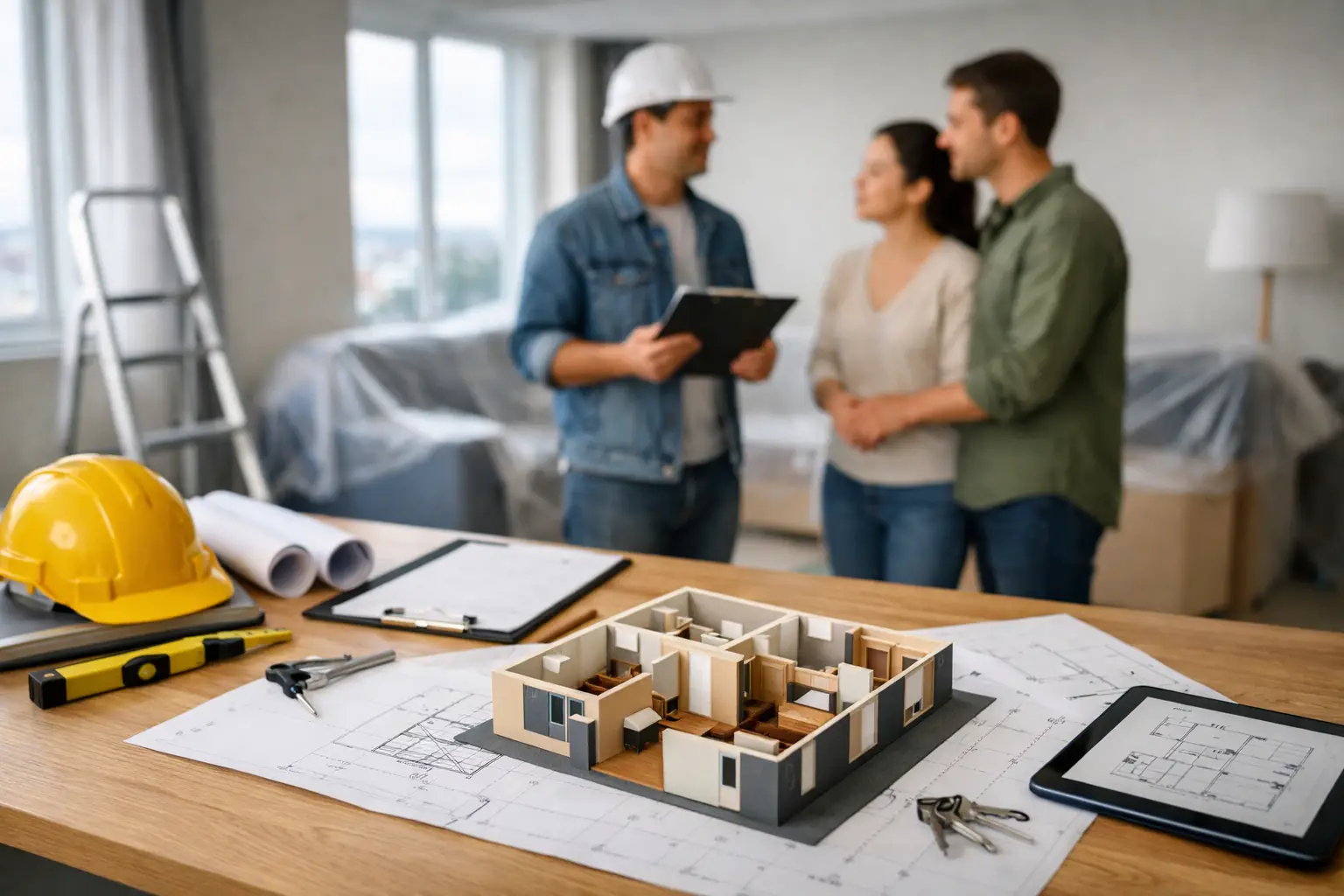
Keys collected, floor plan in hand, renovation ideas saved for months – this is the stage where excitement meets reality. A well-planned bto renovation timeline can make the difference between a smooth transformation and weeks of avoidable delays. For new homeowners, the question is rarely whether to renovate, but how long each decision, approval, and site process will actually take.
A BTO unit may be new, but that does not mean the journey is simple. There are permits to secure, measurements to confirm, materials to select, and site work to sequence correctly. Good design is not only about visual clarity. It is also about timing, coordination, and knowing which stages deserve patience.
Understanding the BTO renovation timeline
Most BTO renovations take about 8 to 12 weeks on site after planning is complete. That estimate works for many homes, but it is not a fixed promise. A lightly customized unit with minimal carpentry may move faster, while a more tailored home with built-ins, feature finishes, lighting coordination, and layout refinements can take longer.
The fuller timeline usually starts before any work begins. If you include design consultation, space planning, material selection, quotations, and permit approval, the process often stretches to 3 to 5 months from first meeting to final styling. Homeowners who start planning early usually make better decisions because they are not choosing tiles, laminates, and layouts under pressure.
What changes the timeline most is scope. A practical minimalist scheme with standard finishes is very different from a home that blends custom storage, concealed lighting, fluted panels, glass partitions, and a carefully layered palette. Both can be beautiful. One simply asks for more coordination.
Before renovation starts: planning takes time
The earliest phase is often underestimated because there is little visible progress. Yet this is where the project takes shape.
A typical planning stage includes an initial consultation, site understanding, concept development, budget alignment, and design refinement. This is also when homeowners decide how they want to live in the space. Do you need a kitchen that works hard every day, or a more social layout for entertaining? Is the goal Modern Minimalist calm, Japandi warmth, or a more refined Modern Luxury language? Style affects materials, detailing, and cost, which in turn affects timing.
For many BTO homes, planning takes 2 to 4 weeks. If decisions are clear and the design direction is focused, it can be shorter. If there are multiple revisions, mixed preferences between family members, or changes in budget midway, it can stretch further.
Measurements also matter. While BTO units follow standard layouts, actual site conditions still need verification before carpentry and specialized fittings are finalized. Rushing this stage often creates more expensive problems later.
Permits and approvals
Some renovation works require approval, especially when they involve hacking, plumbing, electrical adjustments, or regulated works within HDB guidelines. Approval timelines vary depending on the scope and the paperwork submitted. In straightforward cases, this stage may move quickly. In more technical projects, it may add several days or more.
This is one of the clearest examples of why experience matters. A designer who understands residential project sequencing can anticipate what needs to be submitted, what can happen in parallel, and where delays are likely.
Week 1 to 2: site preparation and foundational work
Once approvals are in place and materials are confirmed, renovation starts with the less glamorous but necessary foundation of the project. This may include protection works, demolition where allowed, masonry, basic plumbing preparation, and electrical routing.
For a BTO unit, the amount of hacking is often lower than in a resale home, but there may still be selective work to improve functionality. Perhaps the kitchen entrance is rethought, perhaps a room is adapted for a study, or perhaps the bathroom receives a more elevated finish treatment. Even small changes need precise sequencing.
At this stage, homeowners sometimes become anxious because the home can look messier before it looks better. Wires are exposed, surfaces are unfinished, and the design is still invisible. That is normal. A well-managed site often looks rough in the early phase because the groundwork is being done properly.
Week 3 to 5: tiling, ceilings, and core finishes
Once the basic infrastructure is in place, the home begins to take visual form. Tiling usually happens during this period, followed by ceiling works, wall preparation, and the first layers of finishing.
This stage can move smoothly or slow down depending on material availability and detail complexity. Large format tiles, patterned layouts, feature wall treatments, and bathroom detailing all require more care than straightforward installations. The same goes for ceiling designs with cove lighting or integrated curtain pockets. Clean lines look effortless only when they are built with precision.
This is also where design choices become more tangible. The warmth of a wood tone, the softness of an off-white wall, the contrast between matte black fixtures and neutral stone-look surfaces – these details shape the atmosphere of the home. A polished renovation is rarely the product of speed alone. It comes from decisions that are thoughtful and well executed.
Week 5 to 8: carpentry and customization
For many homeowners, this is the most exciting phase because the home finally starts to feel personal. Carpentry installation often includes kitchen cabinets, wardrobes, TV consoles, study areas, shoe storage, vanity units, and other built-ins tailored to the layout.
Carpentry is also one of the biggest influences on a BTO renovation timeline. Custom pieces require fabrication time before they arrive on site. If measurements were delayed, laminate choices changed late, or hardware selections were not confirmed early, the timeline can shift.
This is where a bespoke approach offers both value and responsibility. Tailored storage can transform a compact BTO home, especially when every inch matters. At the same time, custom solutions demand careful coordination. There is a real difference between filling a space and designing it to support daily life with elegance and clarity.
In portfolio-driven residential work, this phase often defines the character of the home. A Modern Scandinavian interior may rely on light wood cabinetry and restrained detailing. A Wabi-Sabi inspired home may call for textured finishes and softer transitions. An Industrial scheme may introduce darker tones and more expressive material contrast. Each direction carries its own installation considerations.
Week 8 to 10: fixtures, touch-ups, and testing
After the major built-ins are installed, the project moves into finishing mode. Lighting fixtures, bathroom accessories, mirrors, appliances, glass elements, doors, and final electrical fittings are typically completed in this window. Painting touch-ups and silicone works are also done here.
This phase looks lighter, but it should not be treated casually. A beautiful home can lose its polish if alignment is off, hardware feels inconsistent, or final detailing is rushed. Small corrections matter because they shape how refined the finished space feels.
Testing is equally important. Lights, switches, water points, cabinetry mechanisms, and appliances all need checking before handover. A dependable renovation process is not only about getting to the finish line. It is about making sure the home performs well from day one.
What commonly delays a BTO renovation timeline
Delays do not always come from poor workmanship. Very often, they come from shifting decisions.
Late material changes are a common example. If a chosen tile becomes unavailable or a laminate is replaced after production starts, the impact can ripple across the schedule. Design revisions during construction can do the same, especially when they affect electrical points, carpentry dimensions, or plumbing coordination.
Lead times also vary. Quartz countertops, custom glass, specialized lighting, and imported finishes may not move at the same pace as standard materials. If your renovation vision includes distinctive features, it is wise to build in some buffer rather than expect a compressed timeline.
There is also the question of ambition versus practicality. A highly customized home can be worth the wait, but only if expectations are realistic. The most successful projects balance design intent with time, budget, and the constraints of the actual site.
How to plan your timeline with less stress
The smartest approach is to treat the timeline as a design tool, not just a project schedule. Start early, even before key collection if possible. Clarify your must-haves, understand where customization matters most, and make selections decisively once the design direction is set.
It also helps to prioritize cohesion over excess. Not every wall needs a feature treatment, and not every corner needs built-in storage. Often, a calmer palette, well-resolved layout, and purposeful carpentry create a home that feels more elevated than a space packed with too many ideas.
Working with an experienced design team brings another advantage: sequence. Good project execution is not simply about having taste. It is about knowing what should happen first, what can happen together, and what should never be rushed. That discipline is what gives tailored interiors their sense of ease.
For homeowners seeking a more curated result, firms like Space Atelier understand that renovation is both a design journey and a delivery process. The visual outcome matters, but so does the confidence that each stage is being managed with clarity.
A well-paced renovation does more than protect your schedule. It gives the home room to become what it should be – personal, functional, and beautifully resolved for the way you live.
Do you have any enquiry?
Send us an enquiry! Let’s change ideas about what you want for your space.
CONTACT US