

HDB Renovation Guidelines Homeowners Should Know
HDB Renovation Guidelines Homeowners Should Know
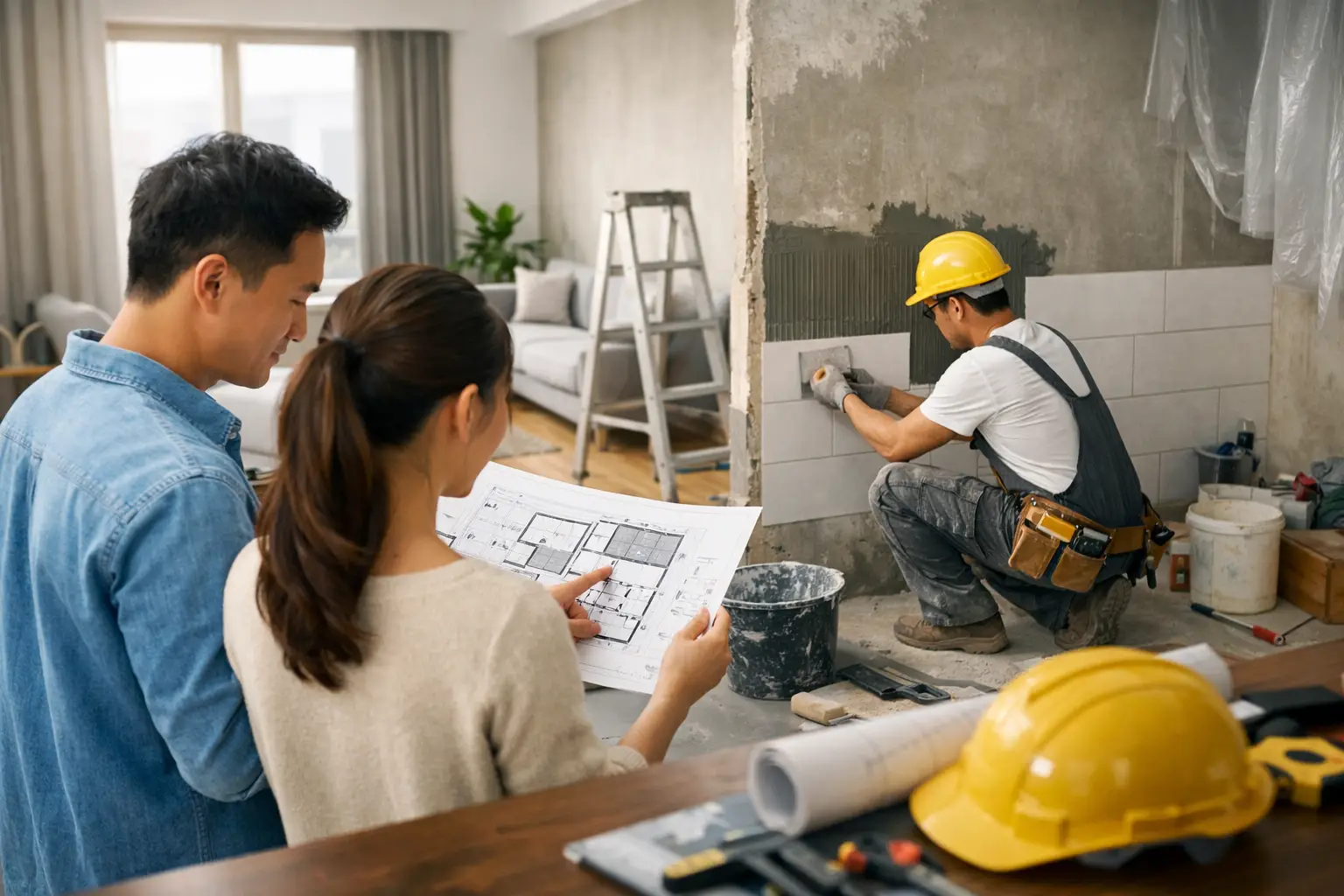
Renovation plans usually feel exciting right up until one detail changes everything: a wall cannot be hacked, flooring needs approval, or noisy work must stop earlier than expected. For HDB owners, that turning point often comes down to understanding hdb renovation guidelines before design ideas become construction drawings.
That does not make the process restrictive. In many cases, it simply means designing with clarity from the start. The best HDB homes are not created by forcing ideas into the wrong framework. They are shaped by knowing what is allowed, what requires approval, and where thoughtful design can achieve a refined result without unnecessary risk, delay, or rework.
Why hdb renovation guidelines matter early
HDB rules are not just administrative formalities. They affect layout planning, material selection, scheduling, and even the order in which contractors can carry out work. If these guidelines are only reviewed after a design has been finalized, homeowners may need to redraw carpentry, revise wet area details, or scale back structural alterations they assumed were possible.
This is especially relevant for BTO and resale flats. A BTO unit may come with fewer unknowns, but owners still need to account for approved works, timing restrictions, and installation standards. A resale flat often presents more complexity because previous renovations may have altered flooring levels, wall finishes, or service routes. What looks feasible at first glance may not align neatly with current requirements.
A well-planned interior begins with the real conditions of the home. That includes regulations as much as aesthetics.
What HDB guidelines typically cover
Most homeowners first think about hacking walls, but the scope is much broader. HDB renovation guidelines generally influence structural changes, wet works, flooring finishes, windows, plumbing, electrical coordination, and the hours during which renovation activity can happen.
Some rules are straightforward. Structural walls and key structural elements cannot be removed simply because an open-plan concept is preferred. Other rules are more technical. Bathroom works, for example, may involve waterproofing considerations and approved methods that affect how new finishes can be installed.
There is also the practical side of neighbor impact. Noise control, debris management, and renovation timing are not secondary concerns in HDB living. They are part of the renovation framework because shared residential environments require a different level of care than landed properties or some private developments.
Layout changes require more than design intent
Open kitchens, enlarged living areas, and integrated study corners remain popular requests in HDB homes. They can work beautifully, but only when the existing layout allows it. The key distinction is whether a wall is non-structural and whether the proposed change complies with approval requirements.
This is where homeowners can benefit from a measured design approach. Sometimes the right move is not full demolition but selective reconfiguration. A framed opening, glass partition, or half-height divider can preserve visual openness while respecting building constraints. The result can still feel expansive, especially when materials, lighting, and storage are handled cohesively.
Good design is rarely about removing the most walls. It is about making the available volume feel intentional.
Wet areas need careful planning
Bathrooms and kitchens demand a higher level of technical discipline than most other spaces. Homeowners often want cleaner tile lines, concealed services, wall-hung fittings, or reworked shower zones. These ideas can be achieved, but wet area renovations are where compliance and workmanship need to align closely.
Improper handling of waterproofing, floor gradients, or drainage points can create long-term problems that no elegant finish can disguise. In HDB flats, that risk extends beyond your own home. Water leakage and drainage failures can affect neighboring units, which is why rules around bathroom renovation are taken seriously.
From a design perspective, this does not mean compromise by default. It means selecting solutions that balance visual refinement with tested installation methods. A minimalist bathroom only succeeds when the hidden layers are just as well considered as the visible ones.
Flooring decisions are not purely aesthetic
Floor finishes shape the mood of a home, but in HDB projects they also intersect with technical and acoustic considerations. Homeowners may want to overlay existing finishes for speed or cost control, while others prefer full replacement for a cleaner, more tailored result. The right approach depends on the condition of the current substrate, height transitions, wet area requirements, and the nature of the material being introduced.
Large-format tiles, engineered timber, vinyl planks, and stone-look surfaces all create different effects. They also behave differently in relation to moisture, movement, maintenance, and installation thickness. A refined material palette should always be evaluated against the practical realities of HDB living.
This is one of the most common points where design quality shows. A home can look calm and cohesive when floor choices are resolved properly. It can also feel visually fragmented if material transitions are handled without enough foresight.
Windows, services, and technical works
Certain renovation elements are less visible during concept discussions but become critical during execution. Window replacement, air-conditioning coordination, plumbing rerouting, and electrical planning all fall into this category. They influence comfort, safety, and the long-term performance of the home.
For example, electrical design is not just about adding more power points. It should support how the homeowner actually lives – where appliances sit, how lighting layers work, whether carpentry conceals drivers and wiring properly, and how future flexibility is built in. The same applies to air-conditioning placement and drainage coordination. A visually clean interior depends on technical planning that happens early, not after cabinetry is already being fabricated.
When homeowners review hdb renovation guidelines, these service-related details deserve as much attention as the more dramatic design moves.
Renovation timing affects the entire experience
One of the most overlooked aspects of HDB renovation is scheduling. There are permitted working hours, restrictions on noisy activities, and approval timelines that shape how quickly a project can move. Homeowners who assume all trades can be compressed into a short window often face frustration later.
A polished home is usually the result of good sequencing rather than speed alone. Hacking, masonry, waterproofing, tiling, ceiling works, electrical coordination, painting, carpentry installation, and final touch-ups all need room to happen in the right order. If one phase is rushed or started before approvals and site conditions are fully aligned, the result is rarely efficient.
This matters even more for owners planning around key collection dates, move-in deadlines, or temporary accommodation arrangements. Realistic scheduling is part of responsible design planning.
Design within the rules still leaves room for character
Compliance does not have to produce generic interiors. In fact, constraints often lead to more disciplined and more distinctive outcomes. A Modern Scandinavian HDB can feel bright and composed through proportion, texture, and soft timber tones rather than unnecessary structural changes. A Japandi concept can bring warmth and restraint through tactile finishes, integrated storage, and balanced negative space. A Modern Luxury scheme can feel elevated through stone textures, tailored lighting, and meticulous detailing instead of relying on excessive ornament.
This is where bespoke design matters. Two homeowners may have the same flat type, yet their renovation priorities can be entirely different. One may need concealed storage for a growing family. Another may want a calm entertaining space with a compact work-from-home zone. The guidelines remain the same, but the response should be tailored.
That tailored response is what turns compliance into design intelligence.
What homeowners should do before work begins
Before any renovation starts, the smartest move is to align design ambition with site reality. That means confirming which works require approval, reviewing existing flat conditions carefully, and understanding whether the desired layout, materials, and built-ins are suitable for the property.
It also helps to think beyond the visual wishlist. Ask how the home should support daily routines, what areas need the most functional improvement, and where budget should be prioritized for lasting value. A statement island, feature wall, or custom wardrobe may all sound appealing, but the strongest projects are usually the ones where function, finish, and compliance are resolved together.
For homeowners who want a more curated result, working with an experienced design team can make this process more coherent. A firm such as Space Atelier approaches HDB interiors with both aesthetic sensitivity and practical discipline, which is essential when every design move needs to sit comfortably within real-world renovation parameters.
A better renovation starts with better decisions
HDB homes offer remarkable potential, but they reward thoughtful planning more than impulsive changes. The most satisfying projects are not the ones that push hardest against limitations. They are the ones that understand the framework clearly, then shape it into something calm, personal, and beautifully lived in.
Before choosing finishes or finalizing layouts, give the guidelines the attention they deserve. They are not a barrier to good design. Very often, they are the reason good design becomes possible.
Do you have any enquiry?
Send us an enquiry! Let’s change ideas about what you want for your space.
CONTACT US