

BTO Renovation Checklist for a Better Start
BTO Renovation Checklist for a Better Start
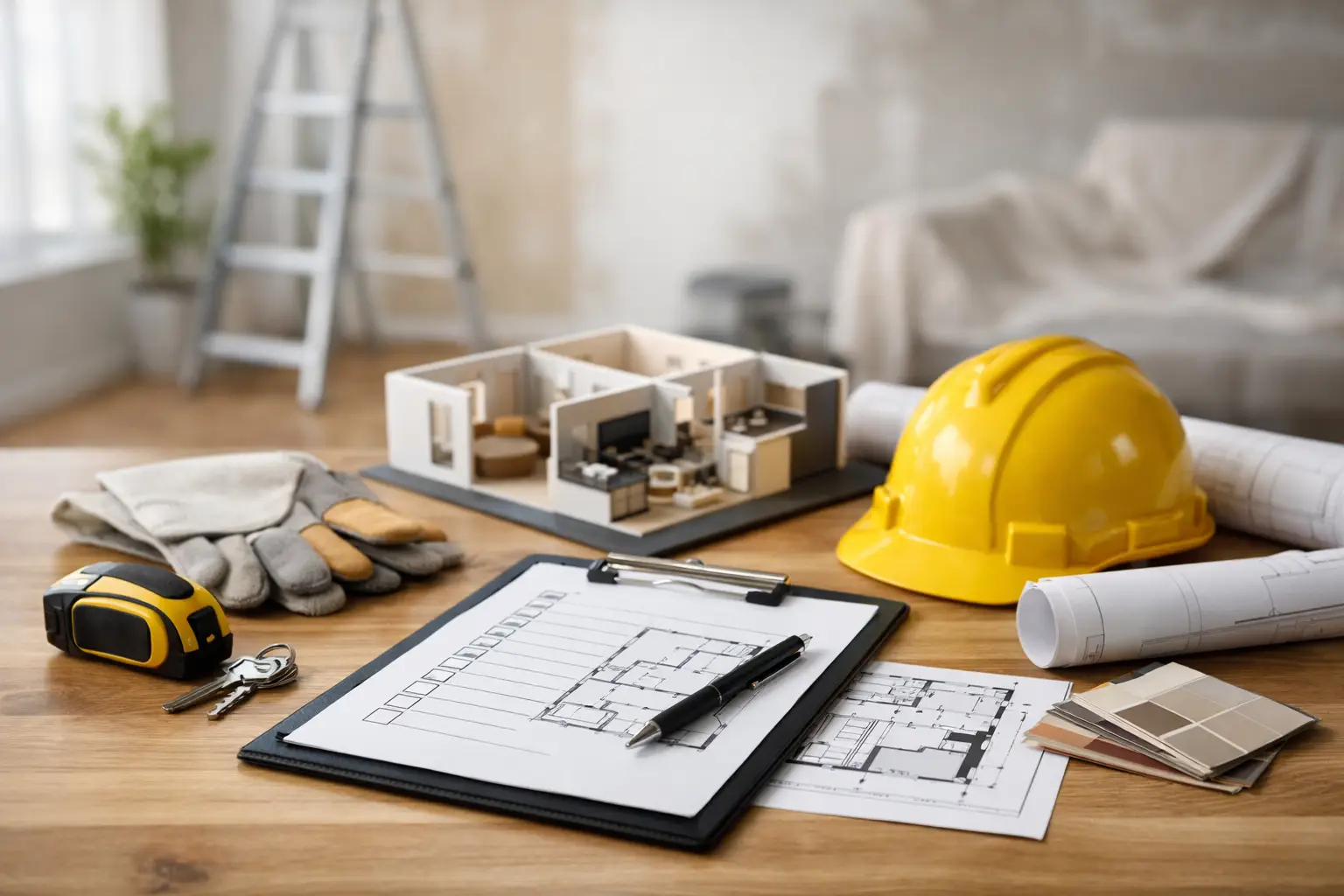
The first few weeks after collecting your keys can feel deceptively simple. The unit is empty, the floor plan looks straightforward, and every idea seems possible at once. That is exactly why a bto renovation checklist matters. It gives structure to decisions that will shape how your home looks, feels, and functions long after move-in day.
A well-planned BTO renovation is not just about choosing tiles and paint. It is about understanding how you live, where your routines begin and end, and which design choices deserve investment. The best homes are rarely the most expensive. They are the most considered.
What a BTO renovation checklist should do
A useful checklist does more than help you remember what to buy. It should help you prioritize, prevent costly rework, and align the renovation with your lifestyle. In a new BTO flat, that means thinking beyond surface finishes and focusing on daily use.
Start with the spaces that carry the most pressure. The kitchen, bathrooms, wardrobes, and living area tend to affect comfort immediately. If these zones are planned well, the rest of the home usually follows with more clarity. If they are rushed, even a visually polished result can feel frustrating to live in.
It also helps to separate must-haves from nice-to-haves early. Built-in storage may be essential. A feature wall may not be. A better lighting plan might improve the home more than a premium countertop. Good design is often a matter of restraint.
BTO renovation checklist: key decisions before work starts
Before any hacking, carpentry, or material selection begins, take time to define the project properly. This stage is where many renovation outcomes are quietly decided.
Confirm how you will use each room
A room label on the floor plan does not always reflect real life. A spare bedroom may become a study, dressing room, guest room, or future nursery. The living area may need to support hosting, work-from-home use, or everyday storage. When each room has a clear purpose, the design becomes more precise.
This is also the moment to think about flexibility. Some homeowners want fully built-in solutions from day one. Others prefer to leave part of the home open so it can evolve. Neither approach is wrong. It depends on timeline, budget, and how certain you are about your long-term needs.
Set a realistic renovation budget
A renovation budget should account for more than the visible finishes. Carpentry, electrical work, plumbing adjustments, flooring, painting, lighting, appliances, and soft furnishings all add up quickly. Contingency matters too, especially if site conditions change or you decide to upgrade selected materials during the process.
For BTO owners, budget allocation often matters more than raw budget size. It is usually wiser to spend on layout improvements, durable surfaces, and well-designed storage than to stretch for decorative details with little daily impact. A clean, balanced interior tends to age better than one filled with trend-driven features.
Understand what the developer is already providing
Not every BTO flat starts as a blank shell. Some units come with flooring, doors, bathroom fittings, windows, and basic finishes that may still be usable. Before planning replacements, review what is included and whether it aligns with your design direction.
There is a practical trade-off here. Replacing brand-new elements can deliver a more cohesive look, but it may also increase waste and cost. In many homes, the more refined choice is to work thoughtfully with what already exists and upgrade only where it makes a meaningful difference.
Plan the layout before the materials
Many renovation regrets come from focusing on finishes too early. Layout should lead. Once circulation, proportions, and storage are resolved, material choices become easier and more intentional.
Review furniture placement in advance
Do not assume furniture will fit because the room looks generous on paper. Measure carefully. Think about walking clearance, door swings, wardrobe depth, dining chair pull-out space, and whether a sofa blocks natural movement.
This is especially important in compact BTO homes, where every inch has to perform. A slim-profile dining table, custom banquette seating, or full-height storage wall may solve more than one problem at once. Good planning often makes a home feel larger without changing its footprint.
Decide where built-ins are truly worth it
Built-ins can make a BTO flat feel tailored and resolved, but they should be used with purpose. Wardrobes, kitchen cabinetry, TV walls with concealed storage, and entryway shoe cabinets often deliver real value. Overbuilding every room, on the other hand, can make the home feel rigid and visually heavy.
The right balance depends on your habits. If you prefer a pared-back aesthetic, integrated storage is often essential to maintain visual calm. If you move often or expect your needs to change, a lighter mix of built-ins and movable pieces may be the smarter choice.
Do not overlook lighting and electrical planning
Lighting is one of the most underestimated parts of a renovation. It shapes mood, highlights material texture, and affects how spacious a room feels. Electrical planning is equally critical because it determines how comfortably the home supports modern living.
A single ceiling light in each room is rarely enough. Consider layered lighting instead, with ambient, task, and accent sources working together. In the kitchen, that may mean under-cabinet lights and focused task lighting. In the bedroom, it may include soft bedside lighting rather than one harsh overhead point.
Power outlets deserve the same attention. Think about where you charge devices, place floor lamps, use small appliances, or set up a workstation. It is much easier to solve this before walls are finished than after the home is complete.
Choose materials with daily life in mind
A beautiful material palette should still be practical. In a BTO renovation, that usually means balancing aesthetics with durability, maintenance, and cost.
Prioritize surfaces you touch every day
Countertops, cabinet laminates, flooring, bathroom tiles, and wardrobe finishes should all be chosen with real use in mind. Matte surfaces may look elegant, but some show marks more easily. Light grout can feel fresh and refined, but may require more upkeep. Wood-look finishes add warmth, though not every option performs equally in humid conditions.
There is no single best material for every home. A household that cooks heavily will prioritize stain resistance and cleanability in the kitchen. A couple who values a calm, gallery-like interior may place more emphasis on tonal consistency and texture. Design works best when it reflects actual living patterns, not just showroom appeal.
Keep the palette cohesive
BTO homes benefit from visual discipline. A restrained palette can make compact spaces feel calmer and more expansive. That does not mean everything must be white or beige. It means finishes should relate to one another in tone, texture, and visual weight.
Styles such as Modern Scandinavian, Japandi, Modern Minimalist, and Wabi-Sabi often work well in BTO layouts because they favor clarity, warmth, and purposeful simplicity. The key is not to copy a style label, but to translate its principles into a home that feels personal.
Storage is part of the design, not an afterthought
In most BTO flats, storage determines whether the home feels composed or crowded. The smartest storage is often quiet – concealed, integrated, and easy to use.
Look at the overlooked areas first. Entryways can hold shoe and utility storage. Bed platforms may create room for bulk items. Full-height cabinetry can turn awkward corners into useful volume. Service yard planning matters too, especially if you need space for laundry, cleaning tools, and household supplies.
What matters most is accessibility. Storage that is hard to reach or too fragmented often fails in practice. A home should not only hide clutter. It should make organization effortless.
Build a timeline that reflects reality
Every renovation feels urgent once keys are in hand, but speed should not come at the expense of coordination. Material lead times, permit requirements, site scheduling, and fabrication all affect the timeline.
Expect some decisions to take longer than planned, especially if you are comparing samples, revising layouts, or waiting on custom carpentry details. This is normal. A rushed decision made under pressure often costs more later, whether through variation orders or dissatisfaction after handover.
Working with an experienced design team can make this stage more manageable. A firm such as Space Atelier approaches renovation as a tailored process, which is especially valuable when the goal is not just to complete the home quickly, but to shape it thoughtfully from the start.
Use your checklist to edit, not just add
The strongest BTO interiors are rarely the ones with the most features. They are the ones where each decision supports a clear way of living. That may mean saying no to extra carpentry, decorative partitions, or material changes that complicate the space without improving it.
A checklist is useful because it keeps the project grounded. It reminds you to ask whether a choice adds function, improves comfort, or strengthens the overall design story. If it does not, it may not belong.
Your new flat does not need every idea at once. It needs a thoughtful foundation, well-resolved details, and enough room for life to settle in naturally. Start there, and the home will grow into itself with far more grace.
Do you have any enquiry?
Send us an enquiry! Let’s change ideas about what you want for your space.
CONTACT US