

Residential Interior Design Trends for 2026
Residential Interior Design Trends for 2026
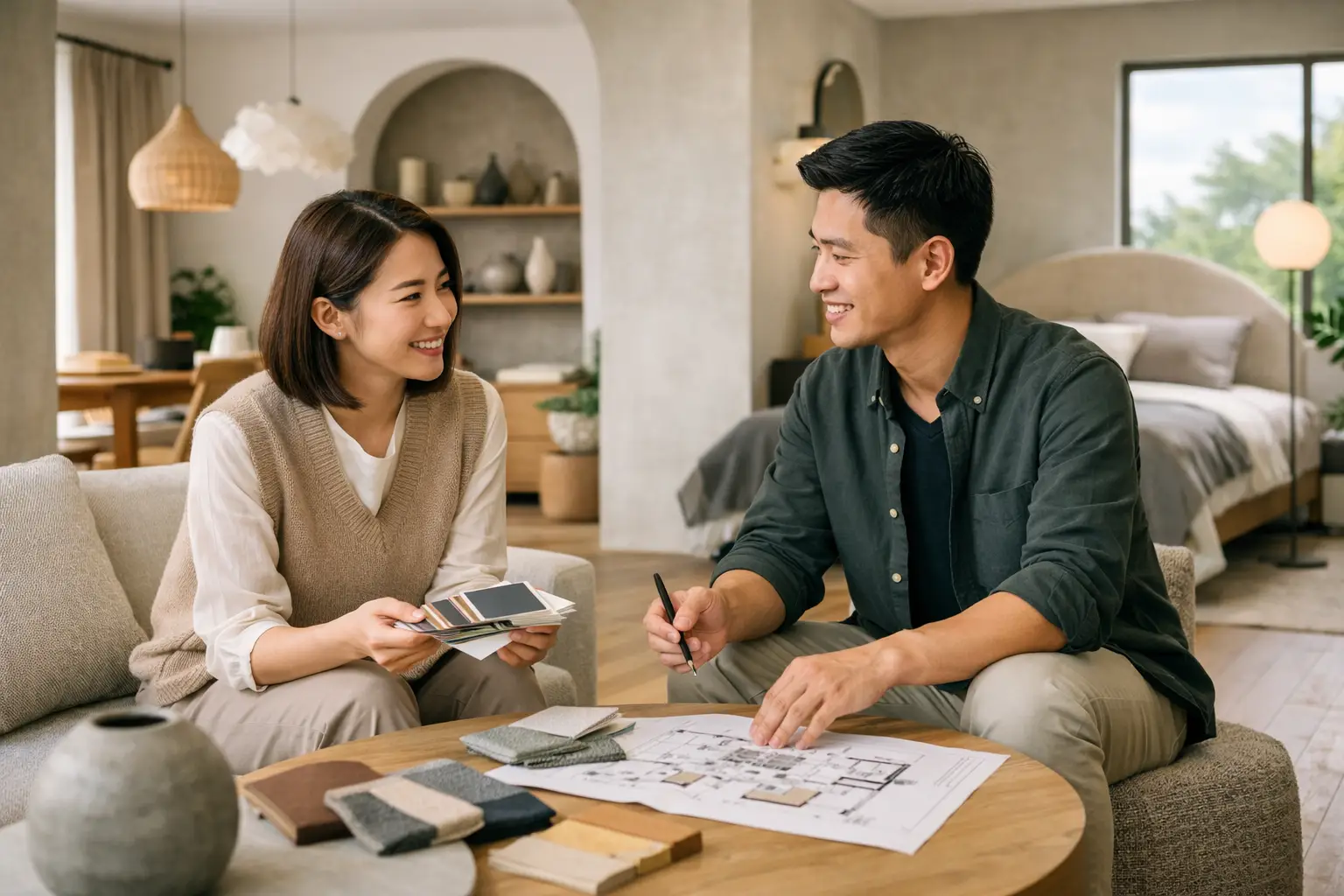
A beautifully finished home should not feel like a showroom that must be protected from daily life. The most compelling residential interior design trends for 2026 are moving toward spaces that are composed, tactile, and highly personal – interiors designed for family routines, quiet restoration, entertaining, work, and change.
For homeowners planning a BTO renovation, refreshing a resale flat, or shaping a new condominium or landed residence, the direction is clear. Visual impact still matters, but it is no longer enough. The strongest homes pair a distinct point of view with practical planning: storage that disappears into the architecture, materials that age gracefully, and layouts that make limited square footage work harder.
Residential Interior Design Trends That Feel More Personal
The era of applying a single style to every room is giving way to more nuanced interiors. A home may begin with the calm restraint of Japandi, then introduce the rich timber, tailored forms, and luminous finishes associated with modern luxury. A minimalist envelope can hold sculptural lighting, vintage-inspired accents, or a deeply colored dining area without losing its sense of order.
This is not an invitation to collect unrelated ideas. It is a call for intention. A well-designed home has a visual language that connects its rooms, whether through a consistent timber tone, a recurring metal finish, a carefully edited palette, or similar proportions in the cabinetry and furniture.
Warm minimalism replaces empty minimalism
Minimalism remains relevant, particularly in apartments where visual clarity makes a compact layout feel more generous. Yet the sharper, all-white version of the style is softening. Homeowners are choosing cream, stone, putty, warm gray, tobacco, and muted olive in place of stark contrasts. Curved profiles, textured paint, fluted glass, and tactile upholstery add depth without creating clutter.
The result is a quieter form of luxury. Rather than relying on ornament, it depends on proportion, light, material quality, and joinery that is resolved down to the smallest detail.
Nature-inspired materials with character
Natural wood, limestone-look surfaces, travertine-inspired finishes, clay tiles, linen, wool, and hand-finished textures continue to define contemporary homes. Their appeal is emotional as much as aesthetic. They introduce variation, softness, and a sense of permanence in spaces dominated by screens and manufactured surfaces.
Authentic materials can require a larger investment and more thoughtful maintenance. Natural stone may need sealing, solid timber responds to humidity, and open-grain wood can show marks over time. For many homeowners, those signs of use are part of the appeal. Where maintenance is a concern, high-quality engineered alternatives can deliver the same visual warmth while offering greater consistency for busy households.
Rooms Designed for More Than One Role
Flexible living is no longer a temporary response to remote work. It has become a lasting expectation. A dining table may host weekday work, a guest room may need to function as a study, and the living room may be the center of both family time and formal entertaining.
The answer is not to fill every corner with multipurpose furniture. It is to establish clear zones while allowing them to adapt. A full-height cabinet can conceal a compact work surface. A banquette can provide dining seating and hidden storage. Sliding or fluted-glass partitions can introduce privacy while preserving daylight and visual connection.
For Singapore homes, where space often comes at a premium, this degree of planning has an immediate effect on daily comfort. A tailored layout can create circulation, storage, and breathing room where a standard furniture arrangement cannot.
The return of the considered dining space
Open-plan living still has value, but homeowners are giving the dining area more identity. This may mean a pendant light positioned precisely over the table, a textured wall treatment, a built-in bench, or a material transition that subtly marks the zone.
The dining space is where a home can become more expressive. A richly toned timber table, upholstered chairs, or an artful display niche can make it feel intentional rather than an extension of the kitchen. In smaller homes, this distinction is especially useful because it gives the shared space rhythm and purpose.
Kitchens become architectural features
Kitchen design is becoming more integrated with the wider interior. Full-height cabinetry, concealed appliances, integrated pull-out storage, and handleless profiles create a composed backdrop for open living areas. At the same time, homeowners are adding contrast through a stone-look backsplash, smoked-glass display cabinet, or island in a deeper wood tone.
A fully concealed kitchen creates a refined look, but it is not always the best choice. Keen home cooks may prefer more accessible storage, larger work surfaces, and durable finishes that do not require constant care. The most successful kitchen is one that reflects how it will actually be used, not simply how it will photograph.
Storage That Supports a Calm Home
Storage has become one of the defining measures of good residential design. It is not merely about adding cabinets. It is about understanding what a household owns, where those items are used, and which objects deserve to remain visible.
Entryways benefit from shoe storage, seating, and a place to set down bags. Living areas often need concealed compartments for media equipment, children’s items, and cleaning tools. Bedrooms require wardrobes planned around the homeowner’s clothing habits rather than generic internal divisions. A thoughtfully designed service yard can be as valuable as a dramatic feature wall.
Built-in joinery is particularly powerful in BTO flats and resale homes, where awkward corners and structural constraints can make off-the-shelf pieces feel disconnected. Custom solutions create a more architectural result, but they should be balanced against future flexibility. Reserve built-ins for areas where they solve a real spatial problem; let movable furniture bring adaptability and character.
Layered Lighting Takes Center Stage
One ceiling light per room is no longer enough for an interior with depth. Current homes use layered lighting to shape mood and support different activities. Ambient lighting establishes overall brightness, task lighting supports cooking, reading, and grooming, while accent lighting gives form to art, textured walls, display shelves, and architectural details.
Warm lighting is especially effective with the softer palettes now favored in residential spaces. Dimmable settings in the living and dining areas allow the atmosphere to shift from an energetic morning to a relaxed evening. In a compact home, carefully placed lighting can also make the room feel wider, higher, or more intimate without changing its footprint.
Lighting should be considered before construction begins. The placement of switches, power points, cove details, and cabinetry all influence the final result. It is a technical decision with a profoundly visual outcome.
A Home Should Carry Its Owners’ Story
The most enduring trend is not a finish, a color, or a furniture silhouette. It is a shift away from interchangeable interiors. Homes are becoming more reflective of the people within them: their routines, collections, heritage, preferred pace, and definition of comfort.
This may appear in a gallery wall of meaningful pieces, a restored dining table, a library-like reading corner, or a palette inspired by a favorite place. These elements need not be loud. They simply need to feel chosen.
At Space Atelier, every project begins with the premise that style is only meaningful when it supports the life being lived around it. Choose the trends that make your home more useful, more restful, and more recognizably yours. The details that endure are rarely the most fashionable ones – they are the ones you will still appreciate after the newness has faded.
Do you have any enquiry?
Send us an enquiry! Let’s change ideas about what you want for your space.
CONTACT US