

Best Lighting for Modern Interiors
Best Lighting for Modern Interiors
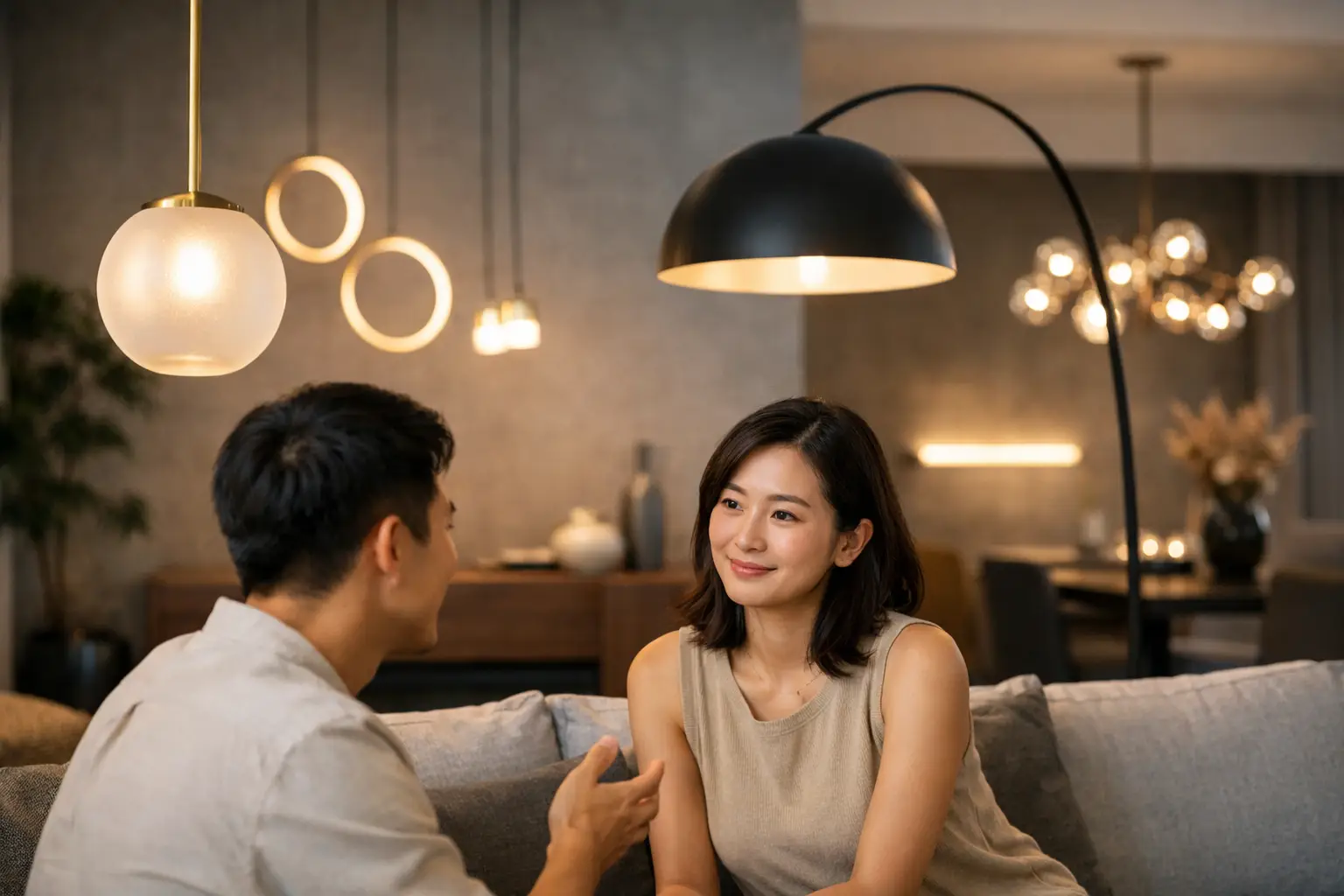
A clean-lined interior can look expensive by day and oddly flat by night. That shift usually has less to do with furniture than lighting. Choosing the best lighting for modern interiors means thinking beyond a single ceiling fixture and treating light as part of the architecture – shaping mood, highlighting materials, and making each room work the way it should.
In modern homes, lighting has to do two jobs at once. It must feel visually restrained, yet it also needs enough range to support daily living. A living room should feel calm at sunset, practical when guests arrive, and comfortable for a late movie. A kitchen should read crisp and organized without feeling clinical. The right scheme is never just bright. It is layered, intentional, and scaled to the space.
What the best lighting for modern interiors gets right
The most successful modern interiors rely on contrast and control. You may have soft oak floors, matte cabinetry, textured upholstery, stone surfaces, or black-framed glass partitions. Without thoughtful lighting, those details lose depth. With the right lighting, they gain dimension and clarity.
This is why the best lighting for modern interiors usually combines ambient, task, and accent light rather than depending on one dominant source. Ambient lighting gives the room its overall glow. Task lighting supports specific activities such as reading, grooming, cooking, or working. Accent lighting draws attention to artwork, shelving, wall textures, or architectural lines.
When these layers are balanced, the space feels composed rather than overlit. That distinction matters. Many modern interiors suffer from too much overhead brightness, which can flatten finishes and make a carefully designed room feel more like a showroom than a home.
Start with the architecture, not the fixture
A modern interior benefits from lighting that responds to the room’s proportions and purpose. In a compact apartment, a heavy decorative fixture may compete with the scale of the space. In a double-volume living area, small recessed lights alone can feel underwhelming and leave the room visually incomplete.
Begin by looking at ceiling height, natural light, furniture placement, and focal points. A low ceiling often calls for a cleaner lighting profile – recessed downlights, surface-mounted fixtures, or slim flush mounts. Higher ceilings can support pendants, chandeliers with linear geometry, or sculptural pieces that anchor the room.
Just as important is the way the room is used. An open-plan living and dining area rarely performs well with one lighting circuit. Each zone benefits from its own rhythm. Dining lighting should center the table and create intimacy. Living room lighting should feel softer and more flexible. If the entire area turns on at the same brightness level, the result can feel blunt.
Layering light in living rooms and open-plan spaces
Modern living rooms need warmth. That may sound obvious, but many homeowners still default to bright white general lighting and wonder why the space feels hard at night. A better approach is to soften the base layer and add localized sources.
Recessed lighting can work well in modern interiors when placed carefully, but it should not be treated as the whole plan. A few well-spaced downlights, paired with a floor lamp near a lounge chair and concealed LED lighting in shelving or a media wall, create a more composed atmosphere. If there is a coffee table or sideboard, a table lamp can add a quiet pool of light that feels residential rather than purely functional.
In open-concept homes, pendant lighting above the dining table helps define the dining zone without adding partitions. Linear pendants suit long tables and streamlined interiors. A cluster fixture can work in softer contemporary spaces, especially where there is a mix of curves and texture. The goal is not to force symmetry everywhere, but to create visual order.
Kitchen lighting should feel precise, not harsh
Modern kitchens are often designed around clean surfaces and integrated storage, which means lighting has to carry more of the visual weight. Good kitchen lighting keeps counters bright, reduces shadows, and preserves the clarity of materials.
Under-cabinet lighting is one of the most useful additions in a modern kitchen because it improves function without adding visual clutter. It also highlights backsplashes and countertop textures in a subtle way. Overhead lighting still matters, but general ceiling lights alone can cast shadows exactly where you prep food.
If the kitchen includes an island, pendant lights can add scale and identity. The right choice depends on the style language of the home. Slim cylinders suit minimalist schemes. Glass or stone-effect pendants can soften a more luxurious contemporary interior. What matters most is spacing and proportion. Pendants that are too small look incidental. Fixtures that hang too low can interrupt sightlines.
Bedrooms need restraint and control
A modern bedroom should feel calm the moment you enter. That usually means avoiding overly bright ceiling lighting as the default evening source. Ceiling fixtures can still be part of the plan, but they should work alongside softer bedside lighting, indirect cove lighting, or wall-mounted sconces.
Bedside pendants are increasingly popular in modern interiors because they free up nightstand space and add a tailored, hotel-like quality. They also create a cleaner silhouette in smaller rooms. Wall sconces serve a similar purpose and work especially well in compact condos or guest rooms.
Dimming is particularly valuable in bedrooms. A room that supports both morning routines and nighttime rest needs flexibility. Bright enough to dress, soft enough to unwind – that balance is what makes the space feel considered.
Bathrooms benefit from flattering, functional light
Bathroom lighting often gets reduced to a single bright ceiling light and a mirror. That can be enough for visibility, but not for comfort. Modern bathrooms look more refined when vanity lighting is treated with care.
Vertical lights at the sides of the mirror tend to be more flattering than one harsh fixture overhead because they reduce shadows on the face. If the design calls for a cleaner look, a backlit mirror can work beautifully, especially in minimalist or hotel-inspired bathrooms. Warm-neutral light usually feels best here. Too cool, and the room can feel sterile. Too warm, and color accuracy suffers.
For larger bathrooms, subtle niche lighting or under-vanity lighting can add depth. These details are not strictly necessary in every project, but they elevate the room and give it a more architectural presence.
Color temperature matters more than most people expect
One of the quickest ways to disrupt a well-designed interior is to mix inconsistent light temperatures. A warm living room lamp, a cool ceiling downlight, and a neutral LED strip in the same visual field can make the space feel unresolved.
For most modern residential interiors, a warm to warm-neutral temperature creates the most welcoming effect. It complements wood, stone, textiles, and painted surfaces without turning the room yellow. Cooler light can make sense in certain task-driven settings, but across a home, consistency usually creates a more polished result.
Commercial interiors are a little different. In retail or clinic environments, brightness and clarity may take priority, but even then, the best results come from balancing function with comfort. Clients and customers notice when a space feels composed, even if they cannot name why.
Decorative lighting should support the design language
Modern interiors do not have to be plain. They simply benefit from fixtures that feel edited. A striking pendant, sculptural wall light, or refined chandelier can become a focal point, but it should still belong to the overall material palette and spatial rhythm.
In a Japandi-inspired home, lighting tends to be softer in form and finish – paper-like diffusers, gentle curves, natural textures, muted tones. In a modern luxury setting, metal finishes, stone elements, and more dramatic silhouettes may feel appropriate. In industrial spaces, black metal and exposed bulbs can work, though they should be handled carefully to avoid looking too literal.
The fixture itself is only part of the story. Light spread, glare, shadow, and finish reflection all shape how the room is experienced. A beautiful fixture that throws uncomfortable glare is still the wrong choice.
Common mistakes when choosing lighting for modern interiors
The first is relying too heavily on downlights. They are useful, but they should not carry the entire design. The second is choosing fixtures too early, before furniture layout and focal points are resolved. Lighting makes the most sense when it is integrated with the rest of the interior plan.
Another common issue is poor scale. Small fixtures disappear in large spaces, while oversized pieces can dominate low ceilings and compact rooms. There is also the mistake of selecting lighting based only on appearance in a catalog or showroom. A fixture may look perfect off-site and feel completely different once installed in relation to wall finishes, window light, and circulation paths.
This is where tailored design guidance matters. At Space Atelier, lighting is considered as part of the broader interior composition, not as an afterthought. That approach leads to spaces that feel coherent from day to night.
How to choose with confidence
If you are planning a renovation or furnishing a new home, think in scenes rather than fixtures. Ask how you want each room to feel in the morning, in the evening, when entertaining, and during everyday routines. That shift changes the conversation from what looks trendy to what actually supports modern living.
The best lighting for modern interiors is rarely about adding more. It is about placing light where it brings out proportion, texture, and ease. When lighting is handled well, the room feels quieter, more resolved, and more like home. That is often the difference between a finished interior and one that truly lives well.
Do you have any enquiry?
Send us an enquiry! Let’s change ideas about what you want for your space.
CONTACT US