

10 Open Concept Kitchen Ideas That Work
10 Open Concept Kitchen Ideas That Work
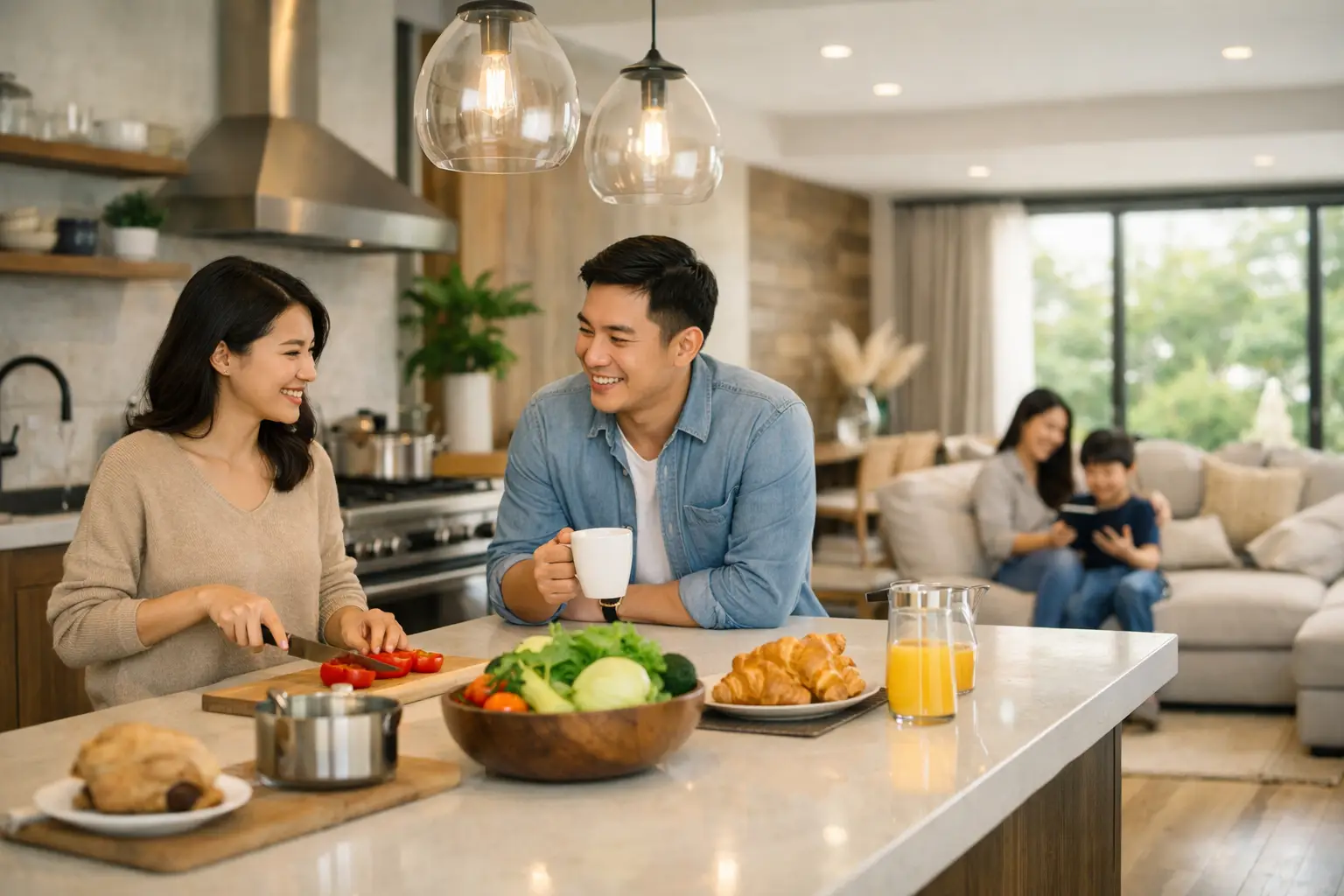
A beautiful open plan can still feel chaotic by 7 p.m. if the kitchen was designed only for looks. The best open concept kitchen ideas solve that tension early – they make the space feel connected, but they also protect workflow, storage, and daily comfort.
For many homeowners, that balance matters more than ever. Kitchens are no longer hidden utility zones. They are part of the living experience, often visible from the entry, the dining area, and the lounge. In a compact apartment, an HDB flat, or a larger landed home, an open kitchen changes how the entire interior reads. It affects sightlines, materials, lighting, conversation, and even how clutter is perceived.
What makes open concept kitchen ideas successful
An open kitchen works when it feels intentional from every angle. That usually means the cabinetry, island, dining zone, and living area are designed as one composition rather than separate rooms that happen to touch.
This is where many renovations go wrong. A kitchen may look sleek on its own, but once the wall comes down, every finish becomes more visible. A countertop edge that felt acceptable before may now interrupt the view. Upper cabinets may start to feel visually heavy. Even appliance placement can shift the mood of the main living space.
The strongest open layouts use a clear design language across the connected zones. In a Modern Scandinavian home, that might mean pale oak textures, soft white surfaces, and restrained black accents. In a Modern Luxury interior, it could be sculptural stone, warm metallic details, and fuller-height joinery. Different styles can work equally well. What matters is consistency.
1. Use an island to define the room without closing it off
An island is one of the most effective open concept kitchen ideas because it creates structure without rebuilding walls. It marks where the kitchen begins, gives the cook a front-facing position, and often becomes the social anchor of the home.
That said, not every kitchen needs a large island. In tighter floor plans, an oversized island can restrict circulation and make the room feel less generous. A slimmer island or peninsula may be the better move, especially if it allows more comfortable clearance and improves appliance access.
For homes that entertain often, seating at the island adds value. For homes that cook heavily, uninterrupted prep space may matter more. This is one of those design decisions where lifestyle should lead the layout.
2. Let storage disappear into the architecture
Open kitchens benefit from visual calm. When the kitchen is always on display, storage has to work harder and look quieter.
Integrated pantry walls, full-height cabinetry, and concealed appliance housing help the kitchen read as part of the interior architecture rather than as a busy work zone. This approach is especially effective in compact homes where every visible object adds visual weight.
In some projects, reducing upper cabinets creates a lighter, more open feel. But that only works if the loss is compensated elsewhere through deeper base units, tall storage, or adjacent built-ins. Open concept design should never come at the expense of everyday function.
3. Carry one material palette across the kitchen and living area
When two spaces are visually connected, abrupt shifts in finish can make the layout feel fragmented. One of the most reliable open concept kitchen ideas is to repeat key materials across zones so the transition feels composed.
This does not mean every surface must match. It means the palette should relate. A timber tone on the kitchen island might appear again in the TV console. The stone used for the backsplash could be echoed in the dining table. Matte cabinetry can sit comfortably beside textured upholstery if the undertones are aligned.
This approach is often what gives a project its tailored quality. It makes the home feel designed, not assembled.
4. Treat the range hood as a design element, not an afterthought
In a closed kitchen, ventilation equipment can be easier to hide. In an open one, it becomes part of the visual field. That makes the hood, hob area, and backsplash far more important.
A well-integrated hood can disappear into ceiling lines or custom joinery. A more expressive version can act as a sculptural focal point, especially in larger homes with generous ceiling height. Either approach can work, but it has to be deliberate.
Function matters just as much. Open layouts tend to spread cooking odors and grease more easily, so ventilation quality should be considered early, not after the cabinetry design is finalized.
5. Build in a secondary work zone if the footprint allows
One of the quiet luxuries in an open kitchen is separation within openness. If space permits, a back counter, concealed pantry niche, or secondary prep area can keep the main view polished while supporting heavier daily use.
This is particularly valuable for families who cook often, households with domestic help, or homeowners who entertain regularly. The front-facing kitchen remains elegant and guest-ready, while the support zone handles appliances, staging, and overflow.
In larger condos and landed homes, this can be developed into a full wet-and-dry kitchen concept. In smaller homes, even a compact sideboard-style cabinet wall can create the same effect on a more practical scale.
6. Use lighting to separate functions subtly
Open space does not mean flat space. Lighting is one of the most refined ways to define each zone while keeping the overall plan connected.
Pendant lights above an island can give the kitchen a clear center. Recessed lighting supports task work. Softer decorative lighting over the dining area shifts the mood and creates contrast. The living zone can then feel more relaxed with layered ambient lighting.
Good lighting also improves material expression. Stone, wood grain, matte finishes, and textured laminates all read differently depending on how they are lit. In a portfolio-led interior, that difference is not minor. It shapes the entire experience of the room.
Open concept kitchen ideas for smaller homes
Smaller homes need more discipline, not less. In a compact apartment, BTO, or HDB flat, open concept kitchen ideas should make the home feel larger without exposing every practical detail.
This often starts with restraint. Fewer material changes, cleaner lines, and lighter visual mass can help the space feel more expansive. Handleless cabinetry, integrated appliances, and a simple backsplash treatment usually perform better than overly decorative elements in smaller footprints.
Mirrored or reflective surfaces can expand the sense of space, but they should be used carefully. Too much gloss can feel harsh under strong lighting and may emphasize fingerprints or daily wear. A more balanced approach often comes from pairing one reflective surface with softer matte finishes.
Flexible dining solutions also make a difference. A compact island with overhang seating, a dining table aligned with the kitchen run, or a built-in banquette can all support openness without wasting floor area.
7. Keep clutter control realistic
Some of the most appealing open kitchens photograph beautifully because they are almost empty. Real homes are different. Rice cookers, coffee machines, children’s bottles, grocery bags, and daily mail all need a place to land.
That is why practical clutter control is one of the smartest open concept kitchen ideas. Appliance garages, drawer organizers, hidden charging stations, and closed shelving near the dining area all help preserve visual order.
The goal is not minimalism for its own sake. It is ease. A kitchen that looks composed with ordinary daily use will always outperform one that only works when styled.
8. Make the seating relationship feel natural
In many open homes, the kitchen island, dining table, and sofa are all within view of one another. Their proportions and spacing affect more than circulation. They shape how the household gathers.
If the island seating is too close to the dining table, the layout can feel redundant. If the sofa faces away awkwardly, the room may lose its conversational flow. The most successful layouts consider how people actually move, sit, and interact over the course of a day.
This is where tailored planning matters. A young couple may want a more social island-forward layout. A family with children may prioritize a generous dining table and easier clean-up paths. A frequent host may need better standing room around the island and drinks storage nearby.
9. Choose finishes that age well in full view
Because open kitchens are constantly visible, wear and tear becomes part of the living room experience. Finish selection should reflect that reality.
Highly delicate materials may look striking at first but can become demanding in a heavily used household. On the other hand, choosing only the most practical finishes can flatten the design if there is no contrast or character. The right answer is usually a considered mix – durable surfaces where contact is frequent, more expressive materials where visual impact matters most.
This is often how bespoke interiors achieve both refinement and longevity. They do not force every element to do the same job.
10. Design the kitchen as part of the whole home
The most compelling open kitchens do not feel like kitchens placed inside living rooms. They feel like an integrated part of a complete interior story.
That might mean the island echoes the architectural lines of a nearby feature wall. It might mean the cabinetry color is drawn from the broader palette of the home. It might mean the transition from entry to kitchen to lounge is composed around symmetry, texture, or a single focal material.
This whole-home perspective is what elevates an open plan from trendy to lasting. At Space Atelier, that is often where the strongest results begin – not with a single kitchen feature, but with a tailored vision for how the home should feel, function, and flow.
Open kitchens ask more of a design, but they also give more back. When proportion, storage, materials, and lifestyle are aligned, the kitchen stops being just a place to cook and starts shaping the character of the home around it.
Do you have any enquiry?
Send us an enquiry! Let’s change ideas about what you want for your space.
CONTACT US