

Open Concept Home Layout Guide
Open Concept Home Layout Guide
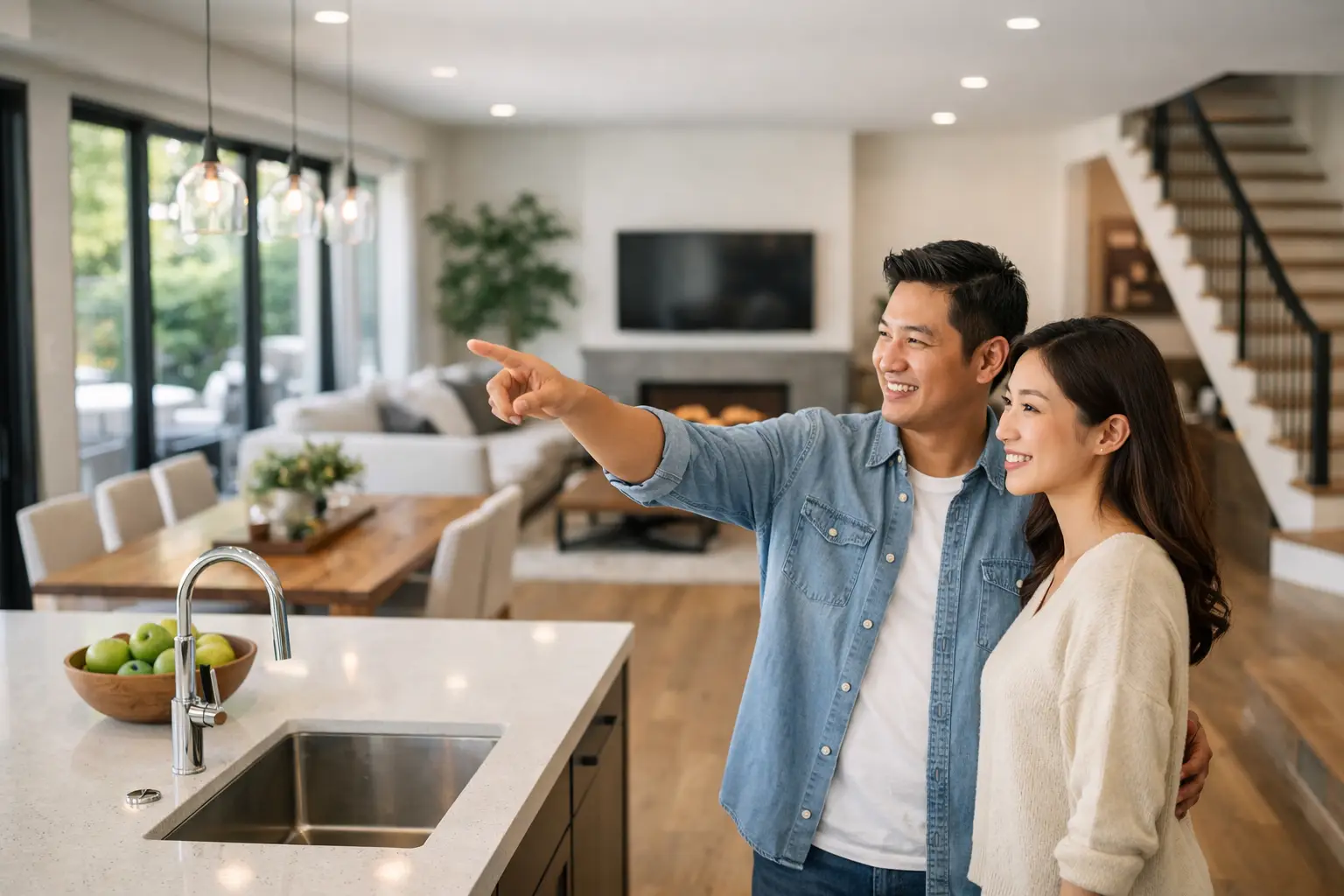
A beautiful open-plan home can look effortless in photos and feel frustrating in real life. The difference usually comes down to planning. A strong open concept home layout guide is not about removing walls for the sake of openness. It is about shaping how the home moves, functions, and feels from morning routines to late-night entertaining.
For homeowners renovating a BTO, resale apartment, condo, or landed property, open concept living often promises more light, better flow, and a larger visual footprint. Those benefits are real, but they are only successful when the layout is tailored to the way you live. A well-designed open concept interior should feel calm and intentional, not undefined.
What an open concept layout actually changes
An open concept layout removes hard separation between key shared spaces, most commonly the living room, dining area, and kitchen. In some homes, it may also extend visual continuity to an entry foyer, study corner, or dry pantry. The design goal is not simply spaciousness. It is connectivity.
That connectivity changes daily life in practical ways. Sightlines become longer, natural light travels further, and movement between zones feels easier. If you cook while talking to family, host regularly, or want a home that feels less compartmentalized, the format can be highly rewarding.
At the same time, openness also means fewer places to conceal clutter, noise, and visual inconsistency. Every finish, proportion, and furniture decision becomes more visible. That is why open-plan homes benefit from a more disciplined design approach than many people expect.
Open concept home layout guide for real living
The best open-plan homes are rarely the most empty. They are the most clearly organized. Without walls to define purpose, the layout itself has to do that work.
Start with the anchor zone. In most homes, this is either the living area or the kitchen island. Once that focal point is established, every adjacent zone should relate to it with intention. The dining area should feel naturally connected, not squeezed into leftover space. The kitchen should be open enough for interaction, but not so exposed that every countertop item becomes part of the living room view.
This is where proportions matter. A generous living room paired with a narrow circulation path will still feel awkward. A large island in a compact apartment can visually dominate the space and limit movement. Good layout planning balances openness with restraint.
For smaller urban homes, especially apartments and compact houses, visual openness often matters more than absolute square footage. A carefully aligned sofa, slim dining table, and integrated storage wall can create a greater sense of space than a full demolition strategy that leaves the home feeling under-resolved.
Define zones without closing them off
The most refined open layouts use subtle zoning rather than hard division. Furniture placement is one of the most effective tools. A sofa can establish the living zone, while a rug centers the conversation area and gives it psychological boundaries. A pendant above the dining table creates a distinct destination even when the space remains fully open.
Material transitions can also help. Wood flooring throughout may keep the home visually continuous, while a stone kitchen backsplash or fluted island detailing introduces identity to the cooking zone. Ceiling treatments, lighting layers, and joinery profiles can all signal function without interrupting flow.
In larger homes, partial partitions can offer balance. A slatted divider, low cabinet, glass screen, or open shelving unit can preserve sightlines while creating a stronger sense of structure. This approach is especially useful when homeowners want openness but still value a degree of privacy between kitchen and living spaces.
Plan circulation before furniture styling
Many layout issues are blamed on the concept when the real problem is circulation. If people have to weave around dining chairs to reach the kitchen, or pass too closely behind the sofa to access a hallway, the home will feel cramped no matter how open it looks.
A successful plan respects daily movement. Think about the path from the entry to the kitchen with groceries, from the bedrooms to the dining table in the morning, and from the living room to adjacent rooms when guests are over. These routes should feel direct and comfortable.
This is one reason bespoke planning matters. Two homes with similar square footage may require completely different solutions depending on beam positions, window placement, structural walls, and family habits. A layout that works beautifully in a show apartment may perform poorly in a real household with children, frequent cooking, or work-from-home needs.
The kitchen is the make-or-break element
In most open-plan homes, the kitchen carries the greatest design pressure. It is both a functional workspace and part of the social setting. It has to perform like a kitchen and present like a living space.
That means storage becomes essential. Tall cabinets, integrated appliances, concealed pantry systems, and well-planned countertop zones help maintain visual order. If everything from oil bottles to small appliances lives in plain sight, the entire open area can feel busier than intended.
There is also the question of how open the kitchen should be. Some homeowners prefer a fully open island kitchen for entertaining and family interaction. Others benefit more from a semi-open approach with a glass partition or framed opening. This is often the better choice for households that cook heavily, need stronger odor control, or simply prefer a cleaner separation between preparation and relaxation.
Neither option is universally better. It depends on cooking habits, ventilation, and how much visual exposure you are comfortable with.
Style consistency matters more in open layouts
In a compartmentalized home, each room can hold a slightly different mood. In an open-plan home, those transitions are visible at once. That is why style cohesion matters more.
This does not mean everything must match exactly. It means the home should speak a consistent design language. A Modern Minimalist living area can pair beautifully with a Japandi-inspired dining zone if the palette, materials, and detailing remain connected. Warm oak, soft neutrals, matte finishes, and disciplined lines will read as intentional. A sharp shift in colors, hardware, or furniture scale will feel fragmented.
Lighting deserves equal attention. Open layouts need layered illumination that supports different moments across the day. Ambient lighting creates overall softness, task lighting supports kitchen and dining functions, and accent lighting adds character to shelves, art walls, or textured surfaces. When these layers are thoughtfully composed, the home feels curated rather than overly exposed.
Storage is what keeps openness elegant
One of the least glamorous parts of any open concept home layout guide is also one of the most important. Storage is what protects the design.
Open homes reveal everyday life quickly. Shoes at the entry, chargers on the console, kids’ items near the dining area, and kitchen overflow on counters can all visually merge into one field. Built-in storage solves more than clutter. It protects calm.
A full-height feature wall in the living area can conceal household essentials while maintaining a clean elevation. Banquette seating at the dining zone can incorporate hidden compartments. An island can carry deep drawers for cookware, while a foyer cabinet can absorb the daily spill of keys, bags, and mail. The best storage feels architectural, not added on later.
For clients who want a polished result, this is often the difference between a home that photographs well once and a home that continues to feel composed every day.
When open concept is not the best answer
Open plan living is appealing, but it is not automatically the right choice. Some households need more acoustic control, more privacy, or stronger separation between functions. If two people regularly work from home, if cooking is intensive, or if family members keep very different schedules, a fully open arrangement may create friction.
Older homes can also come with structural constraints that limit what should be altered. In those cases, it may be more effective to redesign sightlines, widen openings, or rework cabinetry rather than pursue total openness. Good design is not about forcing a trend into every property type. It is about reading the architecture and shaping a better experience within it.
This is especially true across different home categories. A compact apartment, a resale house, and a landed property each demand a different response. The most successful designers approach open planning as a tailored design exercise, not a fixed formula.
Designing for a home that feels connected
The appeal of open concept living is not just visual. It is emotional. A well-planned layout can make the home feel more social, more generous, and more attuned to modern life. But that sense of ease is usually the result of careful decisions around zoning, storage, scale, and flow.
At Space Atelier, that design discipline is what turns open-plan ambition into a home that works beautifully in practice. If you are planning an open layout, think beyond the wall you want removed. Start with the life you want the space to support, and let the design follow from there.
Do you have any enquiry?
Send us an enquiry! Let’s change ideas about what you want for your space.
CONTACT US