

Modern Contemporary Home Ideas That Feel Personal
Modern Contemporary Home Ideas That Feel Personal
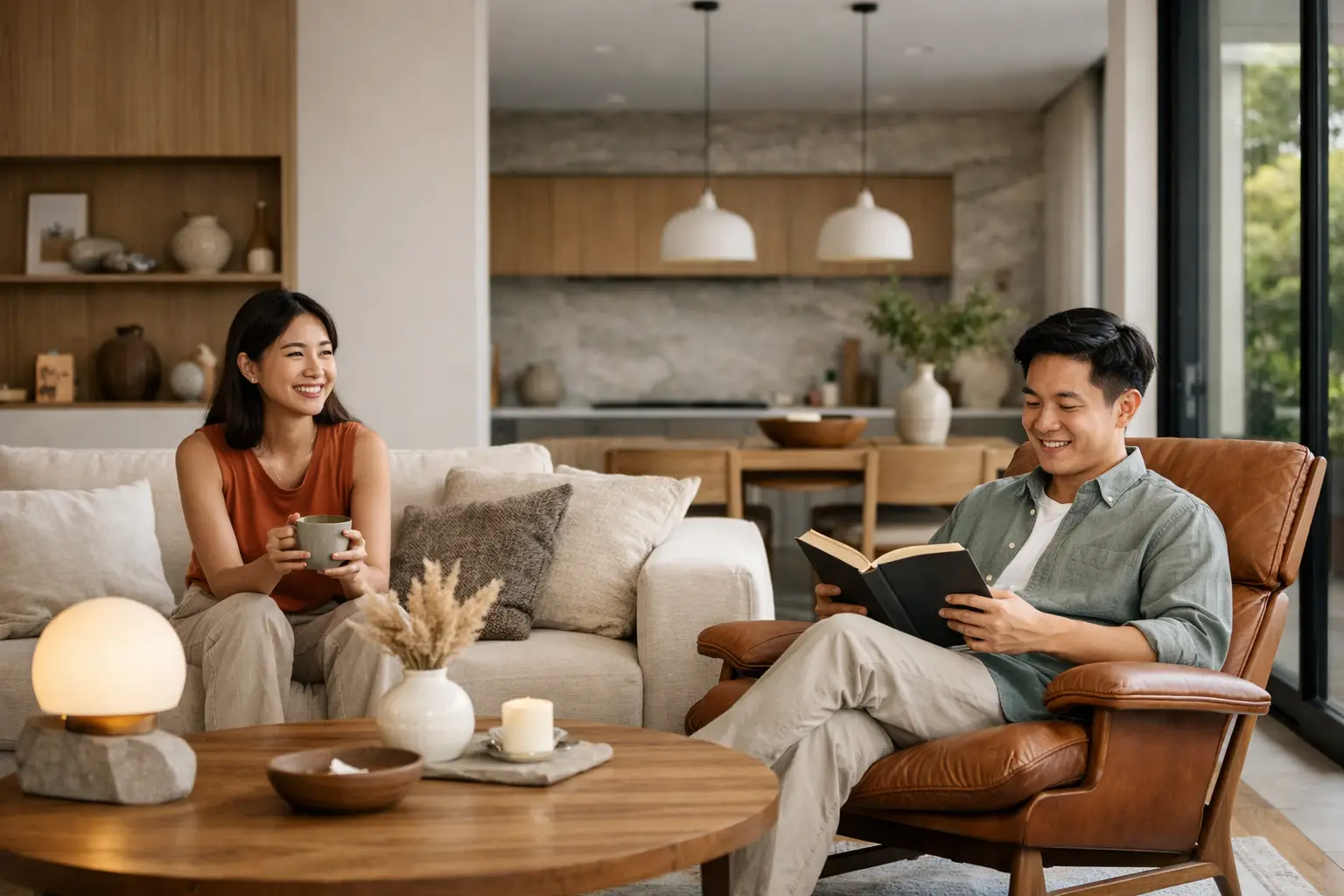
A contemporary home should never feel like a showroom that asks its occupants not to touch anything. The most compelling modern contemporary home ideas pair crisp architecture with warmth, practical storage, and details that reflect the people who live there. The result is composed rather than cold, refined without becoming overly formal.
For homeowners planning a BTO renovation, a resale transformation, or a condo refresh, this style offers unusual flexibility. It can feel light and minimal in a compact apartment, richly layered in a larger home, or quietly luxurious when the material palette is handled with restraint. The central question is not how much design to add. It is how each element can make daily living feel better.
What Defines a Modern Contemporary Home?
Modern contemporary interiors draw from the clarity of modern design while remaining responsive to current lifestyles. Clean-lined forms, open visual sightlines, neutral foundations, and purposeful lighting set the tone. Yet unlike a strictly minimalist scheme, contemporary design leaves room for texture, contrast, art, and personal character.
A well-resolved space often begins with a calm architectural envelope: warm white walls, timber cabinetry, stone-look surfaces, and discreet built-ins. From there, the home gains depth through elements such as fluted glass, tactile upholstery, brushed metal, or a sculptural pendant over the dining table. The aim is visual balance. Every finish should have a reason to be present.
This is also why the style works across different property types. A small HDB flat may need a continuous floor finish and integrated storage to look more spacious. A landed residence may have room for stronger material shifts, custom feature walls, and distinct social zones. The design language stays consistent, but its expression should be tailored to the home.
Start With a Quiet, Layered Color Palette
Contemporary does not mean every room must be gray, white, and black. A restrained palette is useful because it creates continuity, especially in open-plan homes, but it should still carry warmth. Soft ivory, mushroom, taupe, warm gray, sand, and muted olive provide a sophisticated starting point. Natural timber then prevents the scheme from feeling flat.
Consider darker tones as punctuation rather than a default. Charcoal aluminum frames, a deep brown dining table, blackened steel hardware, or a moody stone vanity can anchor a light interior beautifully. In a compact home, use these accents selectively so the rooms retain a sense of openness.
Color also needs to respond to light. A north-facing room may benefit from creamier whites and warmer wood grains, while a bright living area can carry cooler stone or darker cabinetry more comfortably. Samples viewed under showroom lighting can be misleading. Evaluate finishes in the actual home at different times of day before making a final decision.
Use Materials to Create Warmth and Contrast
The strength of modern contemporary home ideas lies in the conversation between materials. Smooth and textured surfaces, pale and dark tones, and matte and reflective finishes should sit together with intention. A matte lacquer kitchen, for instance, may look more considered beside a veined quartz backsplash and timber open shelving than it would beside another uniformly smooth surface.
Timber is one of the most effective ways to soften contemporary spaces. It can appear as a floor finish, a ceiling detail, a wall panel, or a built-in bench. The key is moderation. Repeating the same wood on every surface can make a home feel heavy or overly themed. A carefully placed timber element often has more impact.
Stone and stone-look surfaces offer a similar opportunity. They bring visual movement to a kitchen island, TV wall, dining ledge, or bathroom vanity. Natural stone has distinctive variation and requires a greater commitment to maintenance. Sintered stone and quartz are more predictable choices for busy households. Neither is universally better; the right choice depends on how the space will be used and how much patina the homeowner welcomes.
Design the Living Room Around Real Habits
A polished living room starts with circulation, not decoration. Before choosing a sofa or feature wall, consider how people enter the room, where they naturally sit, and whether the space needs to support entertaining, children’s activities, quiet reading, or all three.
Low-profile sofas with generous proportions work well in contemporary settings because they preserve sightlines. Pair them with a textured rug, a substantial coffee table, and one or two accent chairs rather than filling every corner. If the room is small, choose furniture with visual lightness: raised legs, rounded edges, or slimmer arms can make an appreciable difference.
The television wall deserves the same discipline. A large, heavily patterned feature wall can dominate an apartment living room and date quickly. A quieter composition of textured paint, timber veneer, stone-look cladding, or a recessed panel tends to age more gracefully. Concealed cable management and storage for routers, consoles, and everyday clutter are not secondary details. They are what allow the room to remain calm after move-in day.
Make the Kitchen Feel Integrated, Not Isolated
Contemporary kitchens increasingly function as part of the living environment, particularly in apartments with open layouts. Cabinetry should therefore relate to the surrounding finishes rather than feel like a separate utility zone. Full-height cabinets, integrated appliances, and a consistent color story create a more architectural effect.
An island or peninsula can be valuable when it adds usable preparation space, casual seating, or a gentle division between kitchen and dining areas. It is less successful when it narrows the walkway or becomes a permanent landing spot for clutter. In smaller homes, a compact dining ledge may be the smarter alternative.
Open shelves can make a kitchen feel lighter, but they require a degree of order. They suit homeowners who enjoy displaying ceramics, glassware, or cookbooks. For households that prefer clear surfaces and easy cleaning, closed cabinetry offers a more practical expression of the same contemporary aesthetic.
Let Lighting Shape the Atmosphere
Lighting is where a carefully designed home becomes truly livable after sunset. Relying on a single ceiling fixture can make even high-quality finishes appear flat. A layered plan combines ambient light for general visibility, task light where work happens, and accent light to create depth.
Recessed downlights are useful but should not be placed in a rigid grid without reference to furniture or architectural features. Add concealed LED lighting beneath kitchen cabinets, within display niches, or along selected joinery to highlight texture. A pendant above the dining table can introduce a focal point and bring scale to an open-plan space.
Warm white lighting generally complements timber, stone, and neutral palettes. Dimmers are equally valuable, allowing the same room to shift from a bright weekday morning to a relaxed evening gathering. Good lighting is not simply decorative. It changes how the home supports everyday routines.
Build Storage Into the Architecture
Contemporary interiors depend on visual clarity, which makes storage planning essential. Rather than adding freestanding cabinets after the fact, identify the items that need a home early in the design process: shoes at the entry, cleaning supplies, pantry goods, luggage, documents, toys, and charging devices.
A built-in entry cabinet can set the tone immediately, especially when it incorporates a bench, concealed shoe storage, and a niche for keys. In the living area, full-height cabinetry may incorporate a display section while hiding less attractive necessities. Bedrooms benefit from wardrobes configured around actual clothing habits, not generic shelf divisions.
Custom joinery should be purposeful, not excessive. Too many panels, grooves, and display zones can make a home feel busy. The best solutions are often quiet: proportioned to the room, resolved in a considered finish, and designed to disappear when they are not needed.
Add Personality Through Selected Pieces
A contemporary home becomes personal through the things that cannot be copied from a catalog. An artwork collected over time, a family heirloom reupholstered in a modern fabric, handmade ceramics, or a travel photograph can give a neutral interior emotional weight.
Keep these moments edited. A single large artwork can be more powerful than a crowded gallery wall, particularly in a compact apartment. Likewise, a sculptural chair, a vintage side table, or an unusual light fixture can carry personality without disrupting the room’s sense of calm.
At Space Atelier, a tailored approach begins with the life a home needs to support, then develops a design language around it. That may mean creating a better entertaining layout for a condo owner, carving out focused work zones in a family flat, or bringing quiet material richness to a resale property with character.
The most enduring contemporary homes are not defined by a trend, a particular sofa, or a perfectly styled photograph. They are defined by proportion, thoughtful materials, and a clear understanding of how their owners move through the day. Let the space feel considered, but let it also feel lived in.
Do you have any enquiry?
Send us an enquiry! Let’s change ideas about what you want for your space.
CONTACT US