

Vinyl Versus Tile Flooring: Which Fits Your Home?
Vinyl Versus Tile Flooring: Which Fits Your Home?
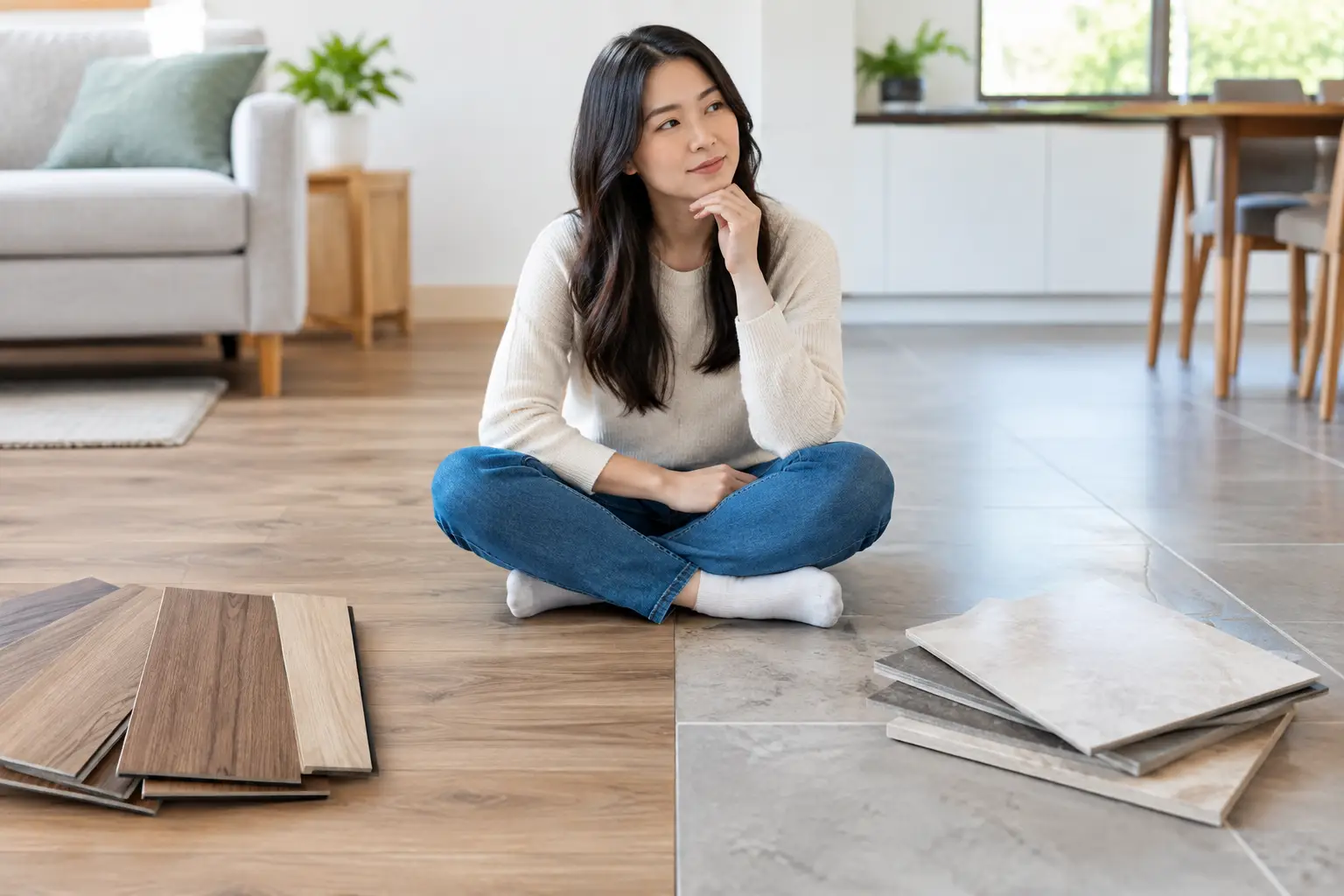
A floor is not simply the surface beneath a room. It determines how a space sounds underfoot, how it holds light, and how comfortably it supports everyday life. In the decision between vinyl versus tile flooring, the right answer depends less on which material is objectively better and more on how each room is meant to be lived in.
For a family home, that may mean a forgiving surface for busy mornings and young children. For a refined condo interior, it may mean a continuous stone-look finish that complements tailored cabinetry and soft lighting. Both vinyl and tile can achieve a polished result. Their differences lie in feel, performance, installation requirements, and the character they bring to the overall design.
Vinyl Versus Tile Flooring at a Glance
Vinyl flooring is a resilient, layered material available in planks, tiles, and sheets. Luxury vinyl plank and luxury vinyl tile are especially popular for renovations because they can recreate timber, stone, terrazzo, and concrete with impressive visual depth. They are warmer and softer underfoot than tile, often quieter in apartments, and generally faster to install.
Tile flooring includes ceramic, porcelain, natural stone, and more specialized finishes. It is valued for its hard-wearing surface, resistance to water, and enduring visual presence. Porcelain tile, in particular, can suit everything from a streamlined minimalist kitchen to a richly detailed modern luxury bathroom.
The choice becomes clearer when appearance is considered alongside the practical demands of each zone. A floor should support the design concept, but it must also accommodate cooking spills, pet claws, wet feet, furniture movement, and the pace of daily maintenance.
The Design Effect: Warmth, Texture, and Continuity
Vinyl has become a persuasive choice for homeowners who want the warmth of wood without the upkeep associated with natural timber. Wide-plank oak looks can soften a modern Scandinavian living room, while pale ash or warm walnut tones add visual calm to Japandi and contemporary interiors. Because vinyl is available in large planks with minimal visual interruption, it can make compact rooms feel more continuous.
Its realism varies by product quality. Better vinyl collections offer embossed texture, varied grain patterns, and matte finishes that avoid an overly uniform appearance. A carefully selected vinyl floor can look sophisticated, but it will not have the same inherent depth, coolness, or tactile irregularity as real stone or premium porcelain.
Tile creates a more architectural foundation. Large-format porcelain can give a living and dining area a serene, gallery-like quality, particularly when paired with slim grout lines and a restrained palette. Stone-look finishes work beautifully in wabi-sabi interiors, while terrazzo-inspired tiles bring personality to playful contemporary spaces.
Grout is part of the visual equation. It can frame each tile in a graphic pattern or fade into the background when color-matched. In a small space, fewer grout lines and larger tiles usually create a calmer visual field. In an entryway or bathroom, a smaller-format tile can introduce texture and intentional detail.
Comfort Underfoot Matters More Than Many Expect
Vinyl is noticeably more comfortable for long periods of standing. This makes it especially appealing in bedrooms, living rooms, and kitchens where someone may be preparing meals each day. Its slight give also reduces the sharp impact of dropped objects and helps mute footfall, an important consideration for multi-story homes and apartment living.
Tile feels firmer and cooler. In warm climates, that coolness can be welcome, especially in kitchens, bathrooms, and foyers. It also pairs well with underfloor heating in locations where winter comfort is a priority, although this adds cost and planning requirements.
Neither sensation is inherently superior. A crisp porcelain floor may be exactly right for a clean-lined, resort-inspired interior. A wood-look vinyl surface may better suit a home designed around softness, ease, and everyday comfort. The flooring should reinforce the atmosphere you want to feel each time you enter the room.
Durability Depends on the Type of Wear
Tile has the advantage when it comes to surface hardness. Quality porcelain resists scratching, fading, and moisture exceptionally well. It is an excellent option for entryways, kitchens, laundry rooms, and bathrooms, where water exposure and frequent cleaning are expected. Properly installed tile can remain beautiful for decades.
Its trade-off is brittleness. A heavy object can chip or crack tile, and repairs may require removing the affected piece. Keeping a few spare tiles from the original batch is a sensible precaution, particularly if the chosen design has distinct veining or variation.
Vinyl withstands normal household wear well, but performance depends on the wear layer and installation quality. It is less likely to crack when something falls, yet it can dent under very heavy furniture or appliances. Sharp grit, dragged furniture, and direct sun can also affect lower-quality products over time.
For homes with children or pets, vinyl can feel more relaxed and forgiving. For high-traffic spaces where a permanent, highly resilient finish is the priority, porcelain tile remains difficult to surpass. The best choice comes from being honest about how the room will be used, not how it is styled in a showroom.
Water Resistance Is Not the Same as Waterproofing
Both materials can perform well around moisture, but their installation systems differ. Porcelain tile is inherently water-resistant, while grout and the substrate beneath it require proper preparation. In wet areas, waterproofing below the tile is essential. This is not a place to compromise on workmanship.
Many vinyl products are marketed as waterproof, meaning the material itself will not be damaged by a spill. That does not always mean water cannot travel through joints or around edges, particularly with floating floors. Standing water should still be cleaned promptly, and bathrooms may require more careful detailing than a dry bedroom or lounge.
For showers and fully wet bathroom zones, tile is the established choice. For powder rooms, kitchens, and living areas, vinyl can offer excellent practical performance with a warmer feel.
Installation Can Shape the Renovation Timeline
Vinyl is typically quicker to install, especially when laid over an existing smooth and stable floor. Depending on the selected system, it may be glued down or installed as a floating floor. This can reduce demolition work, shorten disruption, and make vinyl attractive for renovation projects with a focused timeline.
That convenience has limits. An uneven substrate can telegraph through vinyl, causing visible imperfections or premature wear. Moisture testing, floor leveling, edge finishing, and transitions still matter. A refined result depends on disciplined preparation, not simply on choosing an easier material.
Tile installation is more labor-intensive. It requires substrate preparation, adhesive, careful layout, grouting, curing time, and often demolition of existing finishes. The investment is greater, but the result can feel integral to the architecture of the home rather than applied as a later layer.
In apartments and condos, floor height is also worth reviewing early. New finishes may affect door clearances, built-in carpentry, transitions to balconies, and bathroom thresholds. An experienced designer will coordinate these details before materials are finalized, rather than solving them after installation begins.
Maintenance: Simple Routines, Different Details
Vinyl is easy to maintain with regular sweeping or vacuuming and a damp mop using a manufacturer-approved cleaner. Avoid abrasive pads, harsh chemicals, and excessive water. Protective pads beneath furniture help preserve the finish, particularly under dining chairs and movable pieces.
Tile is equally straightforward to clean, but grout needs attention. Light-colored grout can gradually collect stains in kitchens and entryways, even with regular care. Choosing a mid-tone grout, using a quality grout sealer where appropriate, and matching grout color thoughtfully to the tile can make upkeep feel far more manageable.
Natural stone tiles need more specialized care than porcelain. They may require sealing and cleaners formulated for stone. For homeowners who want the appearance of marble, travertine, or limestone with fewer maintenance demands, porcelain look-alikes are often a smart design-led compromise.
Choosing by Room, Not by Habit
A single flooring material across an entire home can create a composed, spacious effect, but it is not mandatory. The most successful renovations often assign materials according to function while maintaining a coherent palette.
Vinyl is compelling for bedrooms, living spaces, home offices, and dry kitchens where warmth, acoustic comfort, and a wood-inspired look matter. Tile is especially well suited to bathrooms, wet kitchens, entries, balconies, and areas that benefit from exceptional water and wear resistance.
There are exceptions. A stone-look vinyl floor may be ideal for a commercial reception area that needs a polished aesthetic with softer acoustics. Large-format tile can be striking in a living room designed with a modern luxury or minimalist concept. The material should serve the project, not follow a rule.
The most considered choice is the one that aligns material performance with the way you want your home to feel. Begin with the rooms that carry the greatest daily demand, then let the flooring set a confident foundation for every detail that follows.
Do you have any enquiry?
Send us an enquiry! Let’s change ideas about what you want for your space.
CONTACT US