

Luxury Condo Design Trends That Feel Personal
Luxury Condo Design Trends That Feel Personal
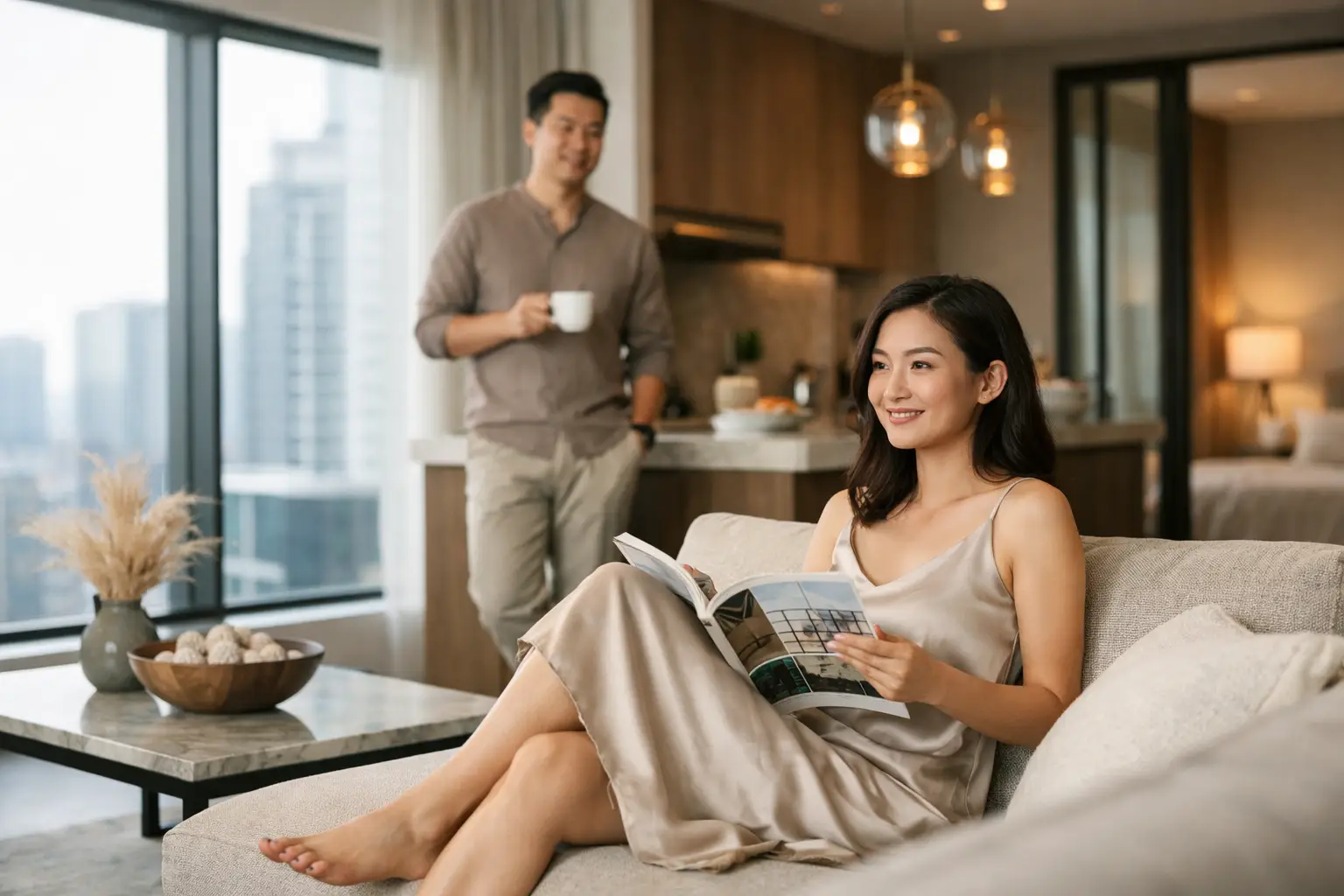
A luxury condominium is rarely defined by marble alone. It is defined by the feeling of arriving home to a space that has been considered from every angle: the lighting at dusk, the texture beneath bare feet, the ease of putting daily essentials away. The most compelling luxury condo design trends favor this kind of lived-in refinement over rooms designed only for a first impression.
For condo owners, the opportunity lies in making a finite footprint feel deeply personal. A successful interior brings together material quality, spatial clarity, and the habits of the people who live there. It should feel composed, but never precious.
Luxury Condo Design Trends Shaping More Personal Homes
Warm minimalism replaces the stark showroom look
Minimalism remains relevant, though it has softened considerably. The crisp white interiors and glossy finishes once associated with high-end homes are giving way to warmer palettes, tactile surfaces, and more layered lighting. Think smoked oak, limestone-look porcelain, satin metals, limewash-inspired walls, and upholstery in oat, clay, tobacco, or muted olive.
This approach is not about filling a room with decoration. It is about allowing fewer, better-selected elements to carry more presence. A low-profile sofa with beautifully tailored upholstery, a sculptural side chair, and a custom media wall in timber veneer can make a living room feel both restrained and generous.
Warm minimalism works particularly well in condos because it gives compact spaces visual calm. The trade-off is that every junction is visible. Cabinet proportions, shadow gaps, grout lines, and material transitions need careful detailing. In a pared-back home, execution is the design.
Custom joinery becomes the quiet mark of luxury
Luxury is increasingly built into the architecture of a home rather than placed on top of it. Tailored joinery conceals clutter, defines zones, and gives each room a more intentional character. In the entry, a slim shoe cabinet with a stone ledge creates a composed arrival. In the living area, a full-height display and storage wall can integrate the television without allowing it to dominate the room.
For condominium layouts, custom storage is also an investment in comfort. A dining banquette may hold infrequently used serving pieces. A platform bed can incorporate drawers without adding bulky furniture. A study can be screened by fluted glass panels, preserving daylight while creating privacy for calls and focused work.
The best solutions are specific to the household. A collector may need dust-protected display cabinetry. A young family may prioritize closed storage at child height. Someone who entertains often may benefit more from a bar cabinet and generous dining storage than a conventional feature wall. This is where project-specific planning matters more than a fixed design package.
Kitchens look more like living spaces
The contemporary luxury kitchen is less overtly utilitarian. Full-height cabinetry, integrated appliances, concealed range hoods, and coordinated hardware allow the kitchen to sit comfortably alongside the living and dining areas. Material continuity helps: a stone-look surface on the island may be echoed in the dining console, while timber cabinetry continues into a pantry or adjacent display niche.
An island remains desirable, but it is not automatically the right answer. In a narrower condo layout, a peninsula can provide the same preparation surface and casual seating while maintaining better circulation. If the home is used for serious cooking, a more practical arrangement with durable counters, deep drawers, and clearly planned work zones will outperform a purely sculptural kitchen.
A considered lighting plan is essential here. Under-cabinet lighting supports task work, while pendants or a decorative linear fixture bring a softer, residential mood to the island. The result should feel polished after dinner, not only functional while preparing it.
Materials With Depth, Not Excess
Premium materials are still central to luxury interiors, but their use is becoming more edited. Instead of cladding every surface in a dramatic stone, designers are choosing one or two focal moments and balancing them with quieter finishes. A richly veined slab behind a bar, for instance, can be more effective when paired with muted cabinetry and softly textured walls.
Natural stone, engineered stone, porcelain slabs, timber veneers, brushed metal, and ribbed or fluted glass all offer visual depth. What matters is how they work together under real lighting conditions. A material sample viewed under a showroom spotlight can look very different in a condo with strong afternoon sun or a shaded city view.
Durability should guide the final specification. Natural stone has character, but it may require more maintenance than porcelain or engineered alternatives. Open-grain timber veneers feel warm and authentic, yet they are better suited to lower-impact zones than a heavily used countertop. Luxury is not choosing the most expensive material in every instance. It is choosing the right material for the way a space will be used.
Curves bring softness to compact layouts
Curved forms are appearing in islands, sofas, feature walls, mirrors, and ceiling details. They introduce movement and soften the hard geometry common to condominium architecture. A rounded end to a kitchen peninsula can improve circulation. An arched niche can frame a display object or reading chair. Even a gently curved sofa may make an open-plan living room feel more welcoming.
The effect is strongest when curves are used with restraint. Too many arches, scallops, and rounded edges can make a home feel themed rather than tailored. One distinctive gesture, carried through in a related detail such as a rounded mirror or soft-edged rug, is usually enough to create cohesion.
Lighting Designed for Mood and Routine
A single central ceiling light cannot do justice to a carefully designed interior. Layered lighting is now a fundamental expectation in premium condo design: ambient light for overall comfort, task lighting for function, and accent lighting for art, textures, and architectural details.
Concealed cove lighting can give a ceiling a sense of lift. Wall washers reveal the texture of a finish without overwhelming the room. A focused reading light beside a lounge chair makes an underused corner purposeful. In bedrooms, bedside pendants or integrated joinery lights free up nightstand space and create a hotel-like sense of calm.
Smart controls add convenience, but they should remain intuitive. Scenes for arriving home, dining, entertaining, and winding down can be useful when they reflect real routines. A complicated system that no one wants to adjust is not a luxury. It is another task.
Flexible Rooms Without Losing Character
As condo owners expect more from every square foot, flexible rooms are becoming more sophisticated. The goal is no longer to turn every room into a multipurpose box. It is to let a space adapt while retaining a clear identity.
A guest room can include a concealed workstation and an upholstered daybed. A study can become a private lounge with tinted glass doors and tailored cabinetry. A dining area can support occasional remote work if power access, storage, and comfortable seating have been designed in from the start.
For Space Atelier, this is where an understanding of property type and daily lifestyle becomes especially valuable. A private condo with a generous view may call for a living room that frames the outlook. A smaller urban unit may benefit from visual continuity, convertible furnishings, and storage that disappears into the walls. Both can feel luxurious when the design responds to the home rather than forcing a style onto it.
Art, objects, and restraint make the home memorable
The final layer is increasingly personal. Rather than relying on generic decorative accessories, homeowners are giving space to collected art, ceramics, books, and objects with a story. A well-lit artwork above a console or a carefully proportioned shelf display can establish more character than a room full of trend-led decor.
Editing is crucial. Leave breathing room around meaningful pieces, and consider what is visible from the entry, dining table, and sofa. These sightlines shape the emotional rhythm of a home.
The most lasting luxury condo design trends do not ask a home to look expensive at every turn. They ask it to feel effortless, grounded, and unmistakably yours – a space that supports the way you live now and still feels considered years from now.
Do you have any enquiry?
Send us an enquiry! Let’s change ideas about what you want for your space.
CONTACT US