

How to Design Small Condo Spaces Well
How to Design Small Condo Spaces Well
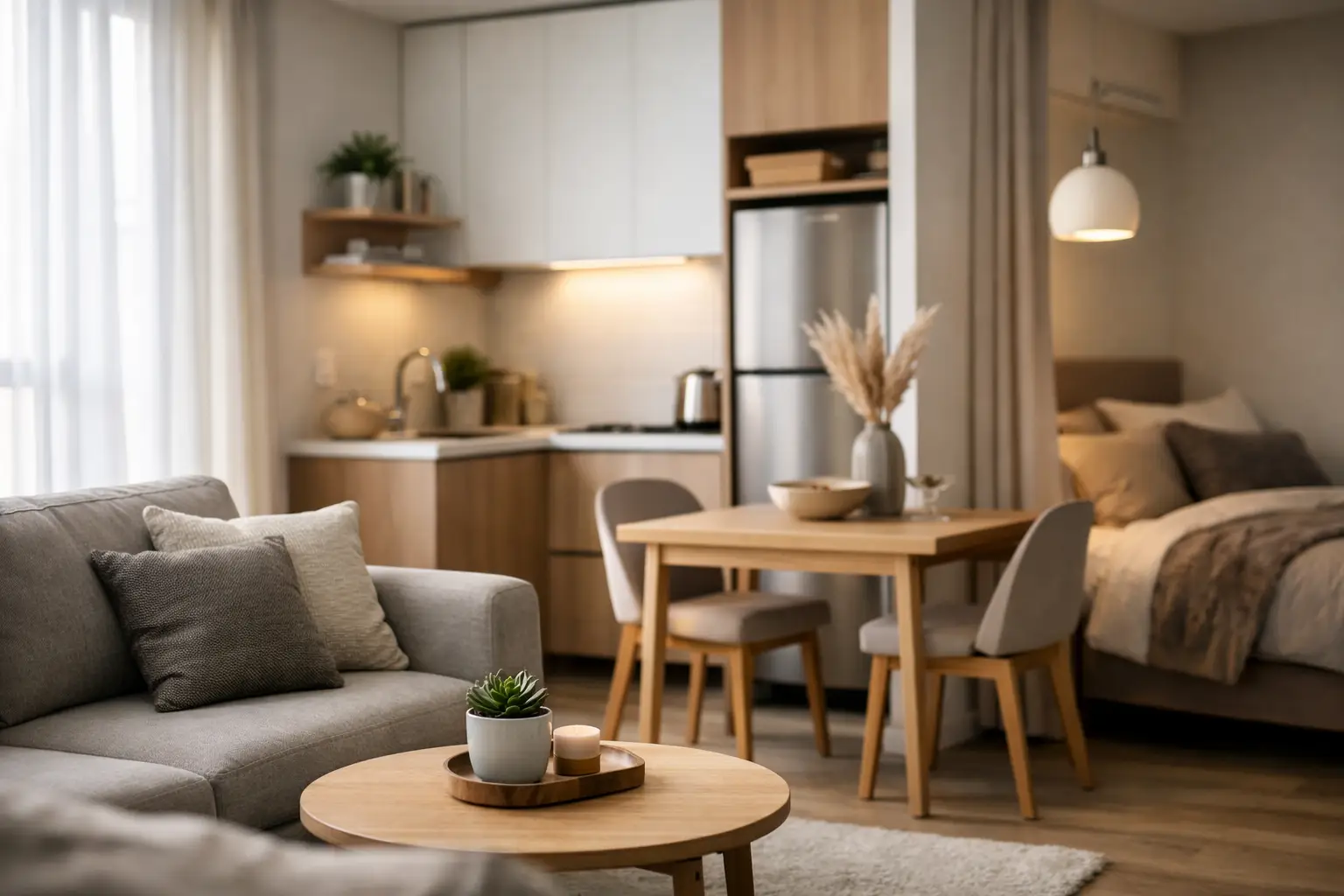
A small condo rarely feels small because of square footage alone. More often, it feels cramped because the layout works against daily habits, storage is treated as an afterthought, or every surface is competing for attention. If you are figuring out how to design small condo living well, the goal is not simply to fit more in. It is to shape a home that feels calm, functional, and distinctly yours.
Condo living asks for precision. Every built-in, sightline, and material choice carries more visual weight in a compact footprint. The strongest small condo interiors are not crowded with ideas. They are edited carefully, planned around real routines, and detailed with enough restraint to let the space breathe.
How to design small condo layouts that feel larger
The first decision is almost always planning, not styling. A beautiful sofa or statement dining table will not solve a layout that interrupts movement or blocks natural light. In a small condo, circulation has to be intuitive. You should be able to move through the living area, reach storage easily, and use each zone without shifting furniture every day.
Open-plan condos often benefit from subtle zoning rather than hard separation. A sofa can define the living room, a rug can anchor the lounge area, and a dining pendant can visually frame where meals happen. This creates structure without adding bulk. In some homes, a slim divider, fluted glass panel, or open shelving element can introduce privacy while still allowing light to pass through. The right answer depends on how much separation you actually need.
Bedrooms and study corners need the same discipline. It is tempting to carve out multiple functions in every room, but over-programming a compact home usually backfires. A guest room that doubles as a study can work beautifully. A guest room that also tries to be a gym, vanity area, storage room, and hobby studio usually feels unresolved.
Start with lifestyle, not furniture
A well-designed condo is tailored to the people living in it. That sounds obvious, but many small homes are still planned around generic ideas of what a condo should have rather than what the owner genuinely needs.
A couple who entertains often may prioritize a more generous dining setting and integrated bar storage over a large sectional. A young family may need concealed toy storage, rounded furniture edges, and durable finishes that handle wear gracefully. A frequent remote worker may benefit more from a dedicated built-in desk with proper lighting than a decorative console that offers little utility.
This is where bespoke design makes a difference. Tailored planning allows each zone to support the rhythm of daily life instead of forcing homeowners to adapt to a fixed template. In compact homes especially, personalization is not a luxury. It is what makes the space work.
Storage should be integrated, not added later
One of the clearest answers to how to design small condo interiors successfully is this: storage must be built into the design language from the beginning. Once clutter accumulates, even a high-end interior loses its clarity.
Integrated storage performs best when it disappears into the architecture of the home. Full-height cabinetry can turn an awkward wall into a clean, usable feature. Banquette seating with hidden compartments can support dining while holding infrequently used items. A bed platform with drawers may remove the need for extra case goods in a compact bedroom.
There is a balance to strike, though. Too many heavy built-ins can make a condo feel boxed in. Storage should support openness, not replace it. In some projects, closed cabinetry is ideal for maintaining a calm visual field. In others, a mix of concealed storage and a few curated open shelves adds warmth and personality. The choice depends on your tolerance for visual exposure and how disciplined you are about display.
Choose a restrained material palette
Small spaces respond well to consistency. That does not mean everything should be beige or flat. It means the palette should feel composed enough that the eye can move through the home without constant interruption.
When finishes shift too dramatically from one room to the next, a condo can feel fragmented. A more refined approach is to establish a base palette and layer variation through texture. Warm wood tones, soft neutrals, stone-look surfaces, matte finishes, and subtle textiles can create richness without visual noise. This is especially effective in styles often favored for condos, such as Modern Minimalist, Japandi, or Modern Contemporary interiors.
Contrast still has a role. Darker accents can add depth, metal details can sharpen the overall composition, and a single expressive stone or timber finish can become a focal point. The key is intention. In a compact footprint, every finish should earn its place.
Lighting changes the scale of a small condo
Poor lighting can flatten a space and make it feel smaller than it is. Good lighting creates depth, highlights architectural lines, and supports different moods throughout the day.
Natural light should be protected first. Avoid blocking windows with bulky furniture or heavy treatments unless privacy is a real concern. Sheer curtains, light-filtering blinds, or carefully selected drapery can soften glare while preserving brightness.
Artificial lighting works best in layers. Ambient lighting provides general illumination, task lighting supports practical use, and accent lighting adds dimension. Under-cabinet kitchen lights, bedside wall sconces, cove lighting, and warm dining pendants can all help a condo feel more considered and expansive.
Color temperature matters too. Lighting that is too cool can make a home feel clinical, while lighting that is too warm may distort finishes. A balanced, warm-white approach is usually the most flattering for residential interiors.
Furniture needs visual discipline
Small condo furniture should not be selected only by measurements on a floor plan. Scale, proportion, leg profile, depth, and visual weight all affect how spacious a room feels.
A sofa with clean lines and a raised base often reads lighter than an overstuffed piece that sits heavily on the floor. A round dining table may improve circulation in tighter layouts. Nesting tables or movable side tables can offer flexibility without locking the room into one configuration.
This is one of the most common trade-offs in condo design: generous comfort versus spatial efficiency. Deep, lounge-like seating may feel luxurious, but if it narrows walkways too much, the room becomes harder to use. Likewise, a tiny apartment-sized sofa may preserve openness but feel underwhelming if the living room is your main retreat. The right choice sits between those extremes.
Make vertical space work harder
In compact homes, underused vertical surfaces are missed opportunities. Walls can carry more than art. They can support storage, create order, and add architectural character.
Full-height cabinetry makes ceilings feel taller when detailed properly. Vertical fluted panels can draw the eye upward. Tall mirrors can reflect light and visually extend a room. Even kitchen backsplashes and wardrobe designs can be composed in ways that emphasize height rather than width.
That said, not every wall should be activated. Leaving some areas intentionally quiet gives the interior room to breathe. Visual relief is part of good composition.
Keep decor curated and architectural
The most sophisticated small condos do not rely on decoration to create identity. They build character through proportion, materiality, and carefully placed accents. This is a more lasting approach than filling the home with small decorative items that quickly create visual clutter.
Art should feel scaled to the wall and room. Soft furnishings should support the palette rather than compete with it. A sculptural chair, textured rug, or statement light fixture may do more for the space than a collection of smaller accessories.
If you appreciate layered interiors, that can still work in a condo. It just requires tighter curation. Richness should come from contrast in finish and form, not from excess.
How to design small condo rooms with long-term value
A condo should support not only how you live now, but how your needs may shift over time. This is especially relevant for owners planning to stay several years, start a family, host aging parents, or adapt to more hybrid work.
Flexible rooms, durable materials, and timeless detailing tend to age better than trend-driven choices. A built-in study nook may later become a vanity or reading corner. A concealed storage wall may remain useful through every life stage. Even aesthetic direction matters here. A polished, restrained interior generally offers more longevity than a heavily themed look that dates quickly.
This is where experienced design guidance becomes especially valuable. Firms such as Space Atelier approach compact homes with a tailored lens, aligning layout, style, and storage with the realities of each property and homeowner. That project-specific thinking is often what separates a condo that merely looks good in photos from one that lives beautifully every day.
A small condo does not need to imitate a larger home to feel complete. It needs clarity, intention, and details that support the way you actually live. When the layout is resolved, storage is integrated, and the visual language stays composed, limited square footage begins to feel less like a constraint and more like an invitation to design with purpose.
Do you have any enquiry?
Send us an enquiry! Let’s change ideas about what you want for your space.
CONTACT US