

Landed Renovation Cost Breakdown Guide
Landed Renovation Cost Breakdown Guide
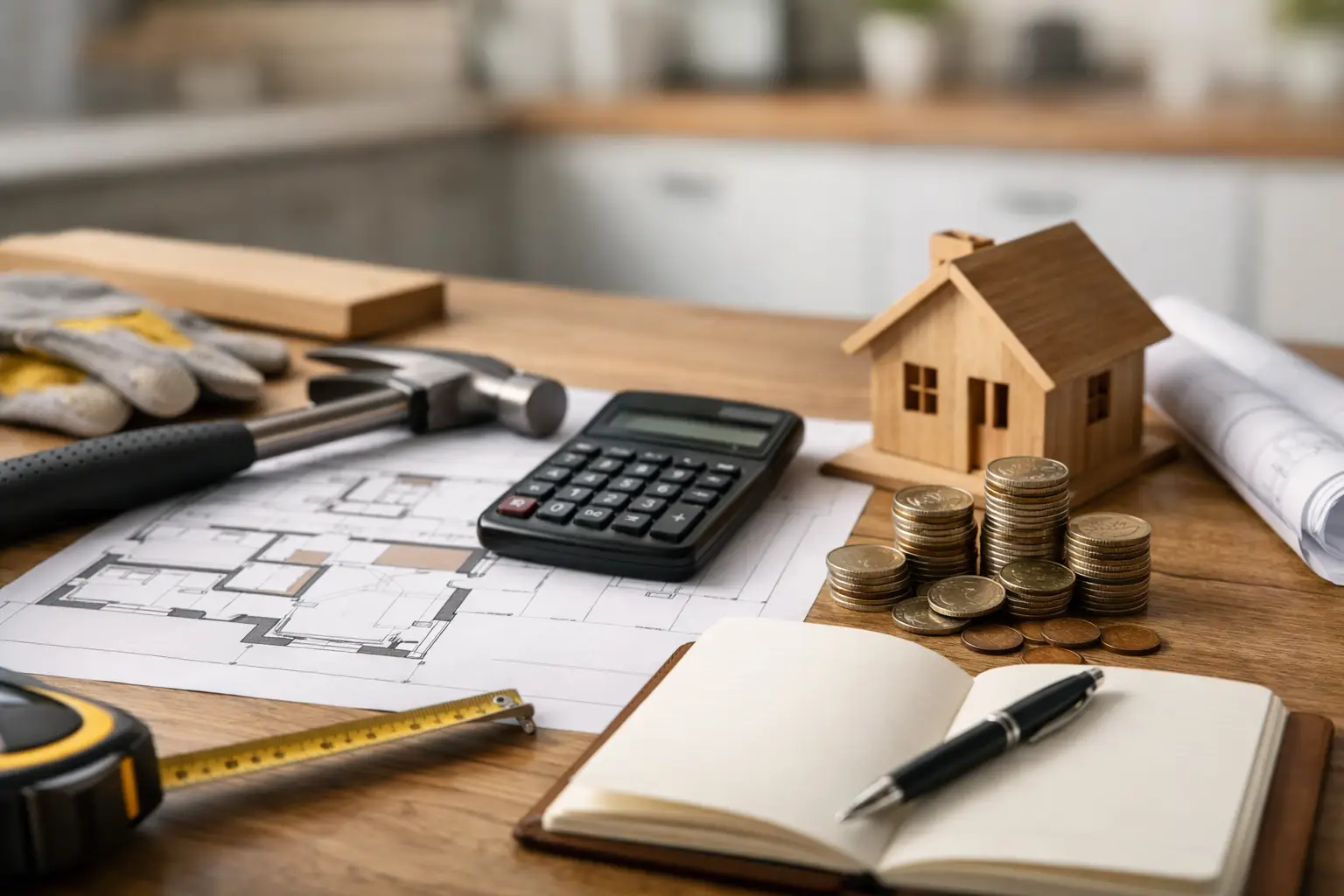
A landed home can change dramatically with the right renovation, but so can the budget. That is why a clear landed renovation cost breakdown matters early. Before style boards, material palettes, and custom details come into focus, homeowners need to understand where the real cost drivers sit and how scope, age, and ambition shape the final number.
Unlike a condo or apartment, a landed property often carries more variables behind the walls and beyond the finishes. Site conditions, structural alterations, roof works, wet area upgrades, façade treatment, mechanical systems, and carpentry all influence cost in a meaningful way. Two homes with the same square footage can land in very different budget ranges depending on whether the work is cosmetic, layout-changing, or close to a full rebuild.
A practical landed renovation cost breakdown
For most landed projects, the budget usually falls into a few major categories. Structural and architectural work often takes the largest share when owners are reconfiguring spaces, extending built-up areas, replacing staircases, or upgrading aging envelopes. Mechanical, electrical, and plumbing come next, especially in older houses where the hidden systems are no longer aligned with present-day living.
Interior finishes and fitted carpentry then shape both the visual identity and the usability of the home. Flooring, wall treatments, bathrooms, kitchens, wardrobes, feature storage, lighting, and doors may seem easier to estimate, but this is often where budgets drift. Once homeowners move from standard selections into premium stone, custom metal details, or highly tailored millwork, costs rise quickly.
Professional fees, permits, and contingency should also be treated as real budget lines rather than afterthoughts. Design development, technical drawings, authority submissions, project coordination, and site management are what allow a complex renovation to move with clarity.
What usually drives landed renovation cost
The age of the property is one of the biggest factors. A newer landed home may only require spatial refinement, aesthetic upgrades, and selective carpentry. An older terrace, semi-detached, or detached house may need rewiring, plumbing replacement, waterproofing correction, roof repairs, and concrete rectification before the design vision can even begin.
Property type matters too. A terrace house often has tighter site access and more linear planning constraints. A semi-detached home may involve more exterior exposure and façade coordination. A detached house generally offers the most design freedom, but it can also demand more extensive envelope work, larger air-conditioning systems, longer electrical runs, and broader landscaping integration.
Then there is the question of scope. A light refresh focused on finishes and styling is very different from a full-scale transformation with hacked walls, a redesigned staircase, a new kitchen core, expanded bathrooms, and reworked service routes. The more deeply the renovation touches the home’s bones, the more the cost moves from decorative to architectural.
Budget ranges by renovation scale
A cosmetic renovation for a landed home typically focuses on surface-level updates. Think repainting, selective flooring replacement, bathroom refreshes, basic lighting changes, and new loose furnishings or limited built-ins. In the US market, a project like this may begin around $80,000 and move upward depending on home size and finish quality.
A mid-range landed renovation usually includes more substantial wet works, a full kitchen upgrade, multiple bathroom renovations, new flooring across key areas, custom carpentry, lighting redesign, and partial mechanical or electrical updates. For many homeowners, this is the range where the home begins to feel genuinely transformed without entering structural overhaul territory. Budgets often sit somewhere between $180,000 and $400,000.
A high-spec or extensive renovation can reach $500,000 and beyond. This typically involves major layout changes, structural interventions, façade improvements, premium materials, integrated smart home systems, bespoke joinery, and comprehensive MEP replacement. If the home is older or the design ambition is exceptionally tailored, the budget can rise far beyond that range.
These figures are directional rather than universal. A compact landed home with controlled scope may come in lower, while a design-led detached property with custom detailing can escalate quickly.
Structural work and envelope upgrades
In many landed homes, this is where the hidden cost sits. Structural changes may include demolishing walls, reinforcing beams, extending rear zones, modifying floor slabs, rebuilding stairs, or altering openings for larger windows and doors. These interventions require engineering review, technical coordination, and careful sequencing.
Envelope work is equally important. Roof replacement, waterproofing, exterior wall repairs, drainage correction, and window system upgrades protect the long-term performance of the house. They may not be as visually immediate as a new marble island or curated living room palette, but they are often the difference between a renovation that lasts and one that starts showing problems too soon.
For homeowners working with an older property, it is wise to treat this category as essential rather than optional. A beautiful interior can only perform well if the shell of the home is stable.
MEP costs in a landed renovation cost breakdown
Mechanical, electrical, and plumbing work deserves close attention in any landed renovation cost breakdown because it is both expensive and foundational. Electrical rewiring for larger homes is more extensive than many expect. Modern living demands more circuits, more lighting layers, more appliance loads, better data planning, and cleaner integration for security, entertainment, and smart systems.
Plumbing costs rise when bathrooms are relocated, kitchens are reconfigured, or water pressure systems need upgrading. In older homes, pipe replacement may be necessary simply because the existing network has reached the end of its practical life.
Air-conditioning and ventilation are also significant. Larger volumes, multiple floors, and different usage zones require thoughtful cooling design. A system that is undersized will underperform. One that is oversized may create inefficiency and comfort issues. This is where practical planning and design credibility need to meet.
Interior finishes and carpentry
This is the part homeowners usually picture first, and understandably so. It is also where the home’s character truly takes shape. Flooring choices alone can shift the budget sharply, from engineered wood and porcelain tile to natural stone or large-format slabs. Bathrooms vary just as widely depending on tile selection, sanitaryware brand, vanity design, and shower detailing.
The kitchen is often one of the most concentrated cost zones in the house. Cabinetry, countertop material, backsplash treatment, appliances, storage mechanisms, and lighting all stack together. A clean minimalist kitchen may look quiet, but the detailing behind that calm finish is rarely simple.
Custom carpentry across bedrooms, walk-in wardrobes, study zones, TV walls, service areas, and concealed storage can take a major share of the budget in a landed home. Bespoke solutions create cohesion and maximize usability, but they require precise fabrication and installation. This is especially true in homes where owners want a polished design language carried consistently from floor to floor.
Design fees, permits, and contingency
A well-executed landed renovation is never just a construction exercise. It is a coordinated design process. Professional design fees typically reflect concept development, space planning, material curation, technical drawing production, consultant coordination, site reviews, and project management.
Permits and authority-related submissions vary based on scope. If the renovation touches structure, external works, or regulated systems, approvals can affect both timeline and cost. These should be priced transparently from the start.
Contingency is the line item many homeowners resist, then later wish they had protected. For landed projects, setting aside around 10 to 15 percent is often prudent. Unknown conditions behind walls, slab levels that are not as expected, outdated service routes, or water damage can all appear once work begins.
How to budget without overbuilding
The most effective approach is to define priorities before design details multiply. Ask which spaces carry the most lifestyle value. For some families, that is the kitchen and family area. For others, it may be the primary suite, better bathroom planning, or more integrated storage throughout the home.
It also helps to decide where customization matters most. Not every room needs the same material investment. A curated mix often creates a more balanced result than applying premium specifications everywhere. Strong design is not about making every surface expensive. It is about knowing where detail has the greatest impact.
Working with an experienced design team can sharpen this balance. Firms with broad residential experience, including landed homes, tend to identify where budget should support structural integrity, where craftsmanship adds genuine value, and where a simpler solution can still feel elevated. At Space Atelier, this kind of project-specific thinking is what keeps the design vision both tailored and buildable.
The real value behind the numbers
A landed renovation is rarely just about updating a property. It is about reshaping how the home lives, feels, and supports the people inside it. The budget should reflect that ambition with clarity. When homeowners understand the cost layers early, they make stronger design decisions, avoid false economies, and invest where it truly counts.
The best projects do not begin with a number pulled from a rough average. They begin with an honest brief, a realistic scope, and a design strategy that respects both lifestyle and structure. That is usually where confidence starts, and where a house begins to feel like it was always meant to be yours.
Do you have any enquiry?
Send us an enquiry! Let’s change ideas about what you want for your space.
CONTACT US