

Modern Scandinavian Living Room Guide for Homes
Modern Scandinavian Living Room Guide for Homes
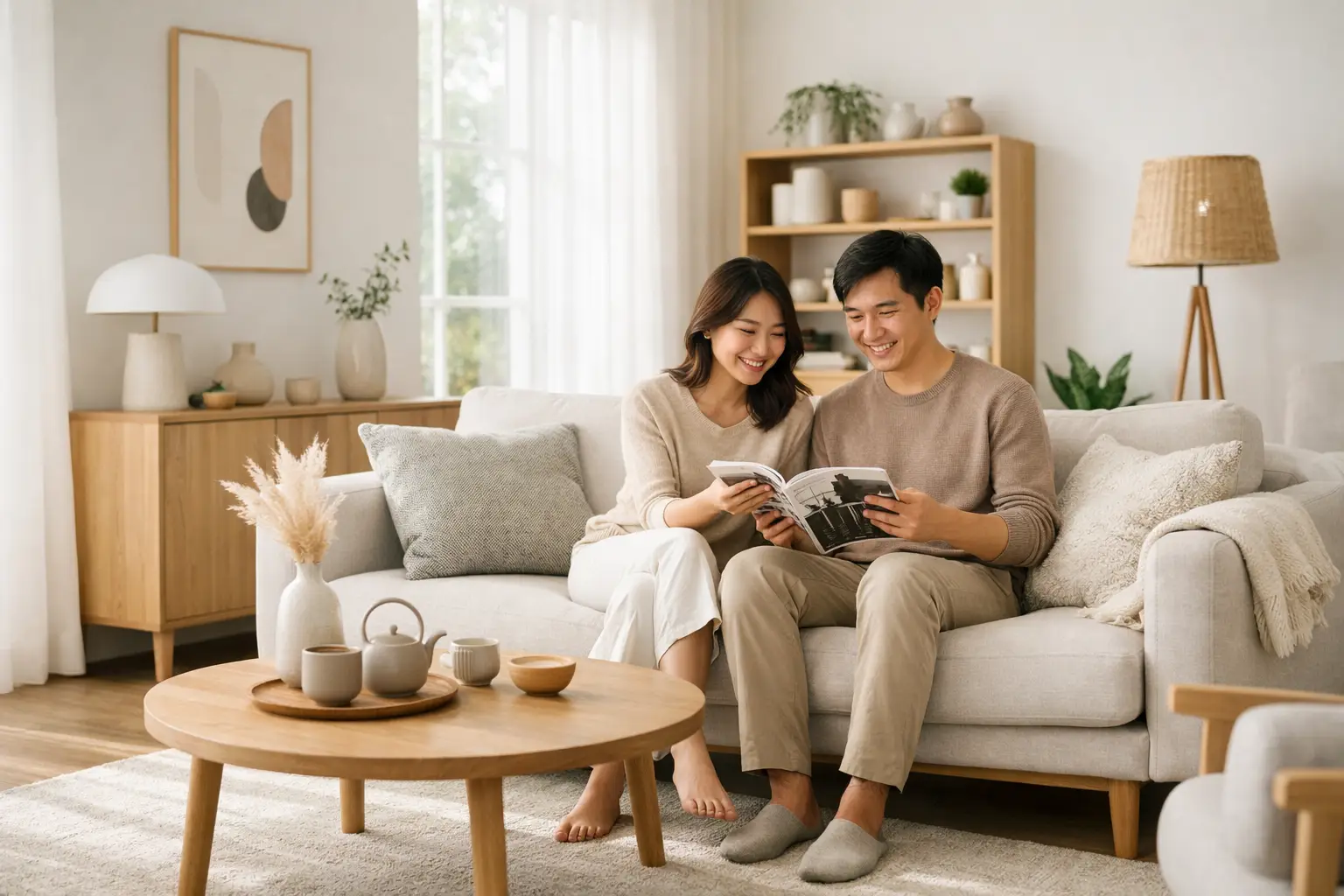
A living room can look beautifully minimal in a photograph yet feel unfinished by evening. The difference is often not the furniture count, but the way light, texture, proportion, and daily habits have been considered together. This modern scandinavian living room guide focuses on creating an interior that feels calm without becoming cold, refined without losing comfort, and personal without visual clutter.
For homeowners, this style is especially effective because it gives compact rooms a sense of openness while still allowing for warmth and character. In an HDB flat, condo, or landed home, the strongest result comes from tailoring the design to the existing architecture, family routine, and natural light rather than simply recreating a reference image.
What Defines a Modern Scandinavian Living Room?
Modern Scandinavian interiors borrow the clarity of Nordic design while taking a more contemporary, tailored approach. The foundation is restrained: clean-lined forms, soft neutrals, natural materials, and an intentional relationship with daylight. Yet the room should never feel stark. A well-designed scheme balances pale wood, tactile fabrics, layered lighting, and carefully selected darker accents.
The modern interpretation is less rustic than traditional Scandinavian styling. Instead of filling the room with decorative objects, it uses fewer but more considered elements. A low-profile sofa may be paired with a sculptural coffee table; oak-toned cabinetry may sit against a warm off-white wall; a single artwork can provide visual focus without overwhelming the room.
This is not a formula of white walls and light timber. Homes with limited daylight may benefit from mushroom gray, muted taupe, or a soft greige base. A family with young children may need performance upholstery and generous concealed storage. The style remains recognizable because of its calm composition, not because every finish follows a rigid rule.
Begin With the Room’s Natural Conditions
Before selecting a sofa or paint color, assess what the room already offers. Notice the direction of daylight, the ceiling height, the sightlines from the entry, and the location of doors, windows, and electrical points. These details influence both the atmosphere and the practical layout.
In many apartments, the living and dining areas share one open plan. Establishing visual continuity is essential, but that does not mean using the same finish everywhere. A consistent wood tone can connect the zones, while a rug, lighting grouping, or change in furniture orientation gives the living area its own identity.
The television wall deserves particular attention. It is often the first focal point in the room, and it can either support the design or interrupt it. A flush integrated panel, slim cabinetry, or a lightly textured wall treatment can keep the elevation composed. Avoid building storage purely for volume if it makes the room feel heavy. The goal is to conceal necessary items while preserving breathing room around the main features.
Plan circulation before styling
A beautiful living room still needs to work at 8 p.m., when someone is walking through with laundry, another person is watching television, and the coffee table is in use. Leave a comfortable route between seating, entry points, and adjacent spaces. In narrower rooms, consider a compact sofa with raised legs, a round or oval coffee table, and wall-hung cabinetry to reduce visual bulk.
For larger homes, resist the temptation to push every piece to the perimeter. Floating the sofa slightly away from the wall can create a more intimate seating arrangement and clearly define the lounge zone. The right layout should feel effortless, not staged.
Build a Quiet Palette With Depth
White remains a natural choice for a Scandinavian-inspired interior, but pure brilliant white can feel harsh under certain lighting. Softer neutrals tend to be more forgiving and more livable. Think warm ivory, sand, putty, stone, pale gray, and muted beige. These tones create a calm backdrop for timber, fabric, and shadow.
Depth comes from variation in material rather than dramatic color contrast. Pair matte wall paint with a lightly grained wood finish. Add a woven rug beneath a smooth stone or timber coffee table. Introduce linen-look curtains against a clean-lined sofa. Each surface catches light differently, giving a neutral room dimension throughout the day.
Darker details provide needed definition. Charcoal, espresso brown, blackened metal, or deep olive can appear in small, purposeful moments: a floor lamp, a picture frame, a side table, or a slim cabinet pull. The key is restraint. If every element is high contrast, the room can quickly feel more industrial than Scandinavian.
Choose wood tones with intention
Light oak is a familiar choice, though it is not the only option. Natural oak, ash, and pale walnut bring warmth without making a room feel visually dense. The grain should appear authentic and tactile rather than overly glossy or printed.
When combining wood finishes, use contrast carefully. A pale oak media console may sit comfortably beside a walnut accent chair if the undertones relate. However, several competing orange, gray, and yellow wood tones can make a simple room feel unsettled. A designer will often establish one dominant timber finish, then use complementary accents sparingly.
Select Furniture for Comfort and Proportion
The sofa is the living room’s largest visual and functional commitment. Favor a silhouette that feels low, generous, and uncomplicated, but make the dimensions specific to the room. An oversized sectional can crowd a compact apartment, while a sofa that is too small may look disconnected in a broad landed-home living area.
Textured upholstery in oatmeal, warm gray, or soft taupe works well because it adds softness without demanding attention. For homes that see frequent entertaining or family use, consider fabrics selected for durability and ease of maintenance. Elegant design should support real life, not create a room that feels too precious to use.
Coffee tables and occasional chairs can introduce shape. Rounded forms soften a linear cabinetry wall, while a sculptural lounge chair gives the eye a focal point. Keep the furniture composition edited. One beautifully proportioned armchair is often more effective than two extra pieces that tighten circulation.
Let Lighting Create the Mood
A modern Scandinavian living room is rarely illuminated by one bright ceiling fixture alone. Layered lighting creates the softer, more considered atmosphere associated with the style. Begin with ambient lighting for general visibility, then add task and accent lighting where people actually sit, read, or gather.
A slim floor lamp beside the sofa, a table lamp on a sideboard, and concealed warm lighting within a display niche can make the room feel composed after dark. Choose warm white illumination rather than cool blue-toned light, which can flatten timber finishes and make pale walls feel clinical.
Window treatments matter just as much. Sheer curtains diffuse strong sunlight while maintaining a light appearance; blackout layers add privacy and comfort when needed. In Singapore homes, where daylight can be intense, this combination gives homeowners control without sacrificing the airy quality that defines the look.
Style With Meaning, Not Excess
The final layer should feel collected rather than crowded. A ceramic vase, a branch arrangement, a stack of art books, and one or two personal objects can bring individuality to a restrained space. Choose pieces with material presence: stoneware, glass, timber, brushed metal, or woven fibers.
Artwork is an opportunity to add personality without disrupting the palette. Abstract forms, muted landscapes, black-and-white photography, or a graphic print can work well depending on the architecture and the homeowner’s taste. Scale matters more than quantity. One substantial artwork above a console may have greater impact than a grid of small frames.
Plants are equally useful, especially where a room has abundant natural light. A leafy tree in a simple planter introduces an organic silhouette that balances clean joinery and straight lines. If maintenance is a concern, use fewer plants and position them where they can genuinely thrive.
A Tailored Look Is What Makes It Last
The most successful modern Scandinavian rooms do not follow a showroom checklist. They reflect the people who live there: the books they keep, the guests they host, the way they unwind, and the level of storage they require. Custom carpentry may be the right choice for a compact apartment that needs an integrated study nook, while freestanding pieces may suit a homeowner who values flexibility.
At Space Atelier, design decisions are shaped around the specific property and lifestyle behind each project. That approach matters because modern Scandinavian style depends on balance. It needs enough simplicity to feel restful, enough warmth to feel welcoming, and enough function to remain beautiful long after the first reveal.
Start with the atmosphere you want to come home to, then let every material, layout decision, and finishing detail support it. The result should not merely look Scandinavian. It should feel distinctly like home.
Do you have any enquiry?
Send us an enquiry! Let’s change ideas about what you want for your space.
CONTACT US