

How Long Does HDB Renovation Take?
How Long Does HDB Renovation Take?
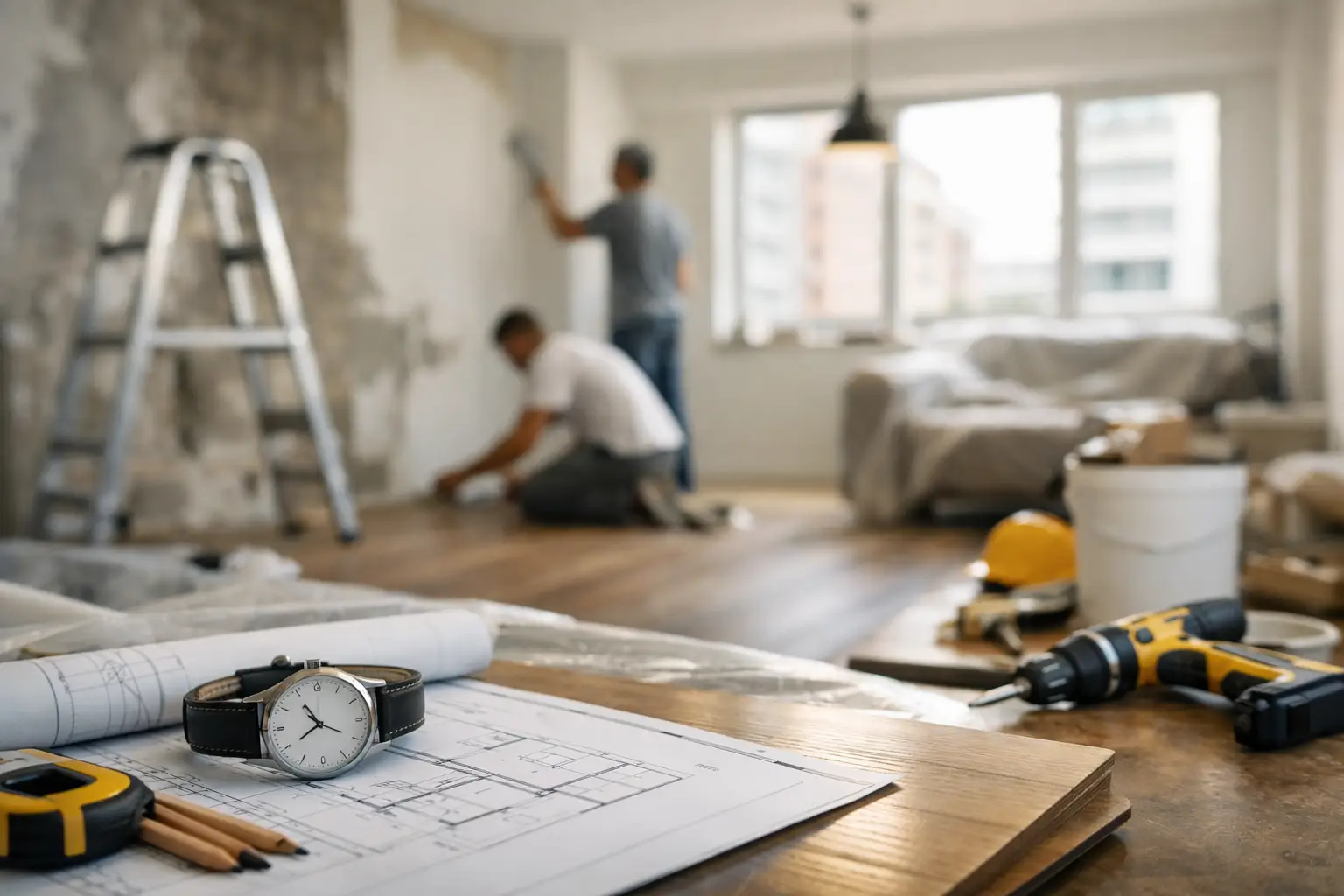
You have the keys, a mood board, and a clear picture of how you want your home to feel. The next question is usually less glamorous, but far more urgent: how long does HDB renovation take? For most homeowners, the honest answer is between 6 and 12 weeks for actual renovation works, though the full journey from planning to move-in often stretches longer depending on approvals, scope, materials, and the condition of the flat.
That range sounds broad because HDB projects are rarely identical. A clean BTO unit with minimal hacking follows a very different schedule from a resale flat that needs rewiring, new plumbing points, floor replacement, and custom carpentry throughout. The right expectation is not just a number of weeks. It is understanding which stage takes time, where delays usually happen, and which decisions shape the overall pace of the project.
How long does HDB renovation take for most homes?
If you want a realistic benchmark, a simple HDB renovation can take around 6 to 8 weeks once site work begins. A more design-intensive home with custom built-ins, multiple wet area upgrades, and coordinated finishes typically takes 8 to 10 weeks. A full resale transformation can take 10 to 12 weeks, and sometimes longer if major rectification work is uncovered after demolition.
That is the construction timeline. It does not always include pre-renovation planning, which can add another 3 to 8 weeks. Space planning, material selection, design revisions, quotations, permit submissions, and production lead times often happen before the first worker enters the unit. For homeowners planning around lease dates, school schedules, or temporary accommodation, this distinction matters.
The timeline starts before work begins
A polished renovation is rarely fast because the best results are coordinated, not improvised. Before site work starts, there is usually a design and preparation phase. This is where layout decisions are finalized, drawings are aligned, materials are selected, and HDB permit requirements are addressed.
For a straightforward project, this early stage may take 2 to 3 weeks. For homeowners who want tailored detailing, a clearer design narrative, or several rounds of refinement, it can take 4 to 6 weeks or more. This is not wasted time. It is often what prevents site mistakes, rushed substitutions, and expensive rework later.
Custom carpentry can also affect the schedule before installation even begins. Measurements may only be confirmed after wet works, flooring, and wall finishes are completed to the correct dimensions. If your design depends heavily on built-in wardrobes, concealed storage, feature walls, or a full kitchen package, the sequencing becomes more exact.
A typical HDB renovation timeline, stage by stage
Once approvals and materials are in place, the renovation itself tends to move in a fairly predictable order. Demolition usually comes first and often takes a few days to a week, depending on how much hacking is involved. A resale flat with old tiles, built-ins, and partition walls will naturally take longer than a near-blank BTO unit.
After that, masonry, plumbing, and electrical rough-ins begin. This stage can take 1 to 2 weeks. It includes building up bases, relocating services, preparing for kitchen and bathroom layouts, and running concealed wiring or pipework where needed. If the design includes more lighting layers, additional outlets, or reconfigured wet areas, this stage grows accordingly.
Wall and floor finishes usually follow. Tiling alone can take 1 to 3 weeks depending on tile size, pattern, coverage, and site conditions. Larger format tiles may look cleaner and more contemporary, but they often require greater care in setting and leveling. Vinyl or laminate flooring is usually faster than full tile replacement, but subfloor preparation can still add time.
Painting, ceiling work, doors, glass, and final electrical fittings come later, often overlapping where possible. Then carpentry installation begins. This is a critical point in the schedule because built-ins are fabricated off-site but installed on-site, and any mismatch in measurement or finish can affect handover.
The last stretch includes countertop installation, touch-ups, testing, cleaning, and defect rectification. Even a well-managed project needs this buffer. The final 10 percent of the work can feel slow because it is detail-heavy.
BTO vs resale: the timeline is not the same
BTO owners often assume their renovation will be faster because the unit is new. In many cases, that is true. There is less demolition, fewer unknowns behind walls, and a cleaner starting point. If you are keeping the original flooring or bathroom finishes and focusing on carpentry, lighting, paint, and selective upgrades, the timeline can stay relatively tight.
Resale flats are more variable. An older unit may reveal uneven walls, aging plumbing, outdated wiring, waterproofing concerns, or previous renovation work that needs correction before new finishes go in. These issues are common, not exceptional. They do not mean the project is off track, but they do mean the timeline needs more flexibility.
The design ambition also matters. A minimalist home is not automatically faster to build. Clean lines, flush details, and restrained palettes often demand tighter execution. A modern contemporary or Japandi-inspired interior may look quiet and effortless when complete, but the workmanship behind that calm finish is usually precise.
What usually causes delays?
Most HDB renovation delays come from a small number of pressure points. The first is late decision-making. If materials, layouts, or carpentry details are still changing after works begin, the schedule starts to fragment. One revision can affect multiple trades.
The second is material availability. Imported tiles, specialty laminates, sintered stone, glass, and certain lighting pieces can come with lead times that do not always match an ideal construction schedule. If an item arrives late or requires replacement, downstream work may need to pause.
The third is site condition. This is especially relevant in resale projects. Once hacking starts, contractors may discover hidden defects that were not visible during the first viewing. Uneven substrates, damaged pipes, and unauthorized old works are not unusual.
The fourth is coordination. Renovation is a sequence of dependent tasks. Flooring cannot be rushed ahead of plumbing prep. Carpentry should not be installed before wet works and paint conditions are ready. Projects feel smooth when this sequencing is managed well, and slow when trades are left waiting on one another.
How to keep your HDB renovation on schedule
The fastest projects are not always the ones with the smallest scope. They are often the ones with the clearest direction. Homeowners who finalize layouts early, commit to a coherent material palette, and avoid mid-project redesigns usually move faster than those trying to decide as the work unfolds.
It also helps to be realistic about customization. Tailored design creates a more resolved home, but bespoke details need time. If your priority is moving in quickly, you may choose a lighter carpentry scope, fewer built-in features, and readily available finishes. If your priority is a more curated result, allow room for fabrication and refinement.
Working with an experienced design team matters here. A professional process does more than create a strong visual concept. It aligns drawings, timing, procurement, and execution so the home is delivered with fewer surprises. That balance between aesthetics and discipline is where timelines become more dependable.
So, how long does HDB renovation take when planned well?
For a modest BTO refresh, expect around 6 to 8 weeks of renovation work. For a more complete BTO or a lighter resale project, 8 to 10 weeks is a practical benchmark. For a full resale overhaul, 10 to 12 weeks is more realistic, with additional contingency if the flat is older or the design is highly customized.
The better question may be this: how much time should a home transformation take if you want it done thoughtfully? A renovation is not only about finishing quickly. It is about arriving at a home that feels resolved, functional, and aligned with the way you live. When the planning is clear and the execution is disciplined, the timeline feels less like a waiting period and more like the making of something worth coming home to.
Do you have any enquiry?
Send us an enquiry! Let’s change ideas about what you want for your space.
CONTACT US