

Interior Design Trends 2026 That Will Last
Interior Design Trends 2026 That Will Last
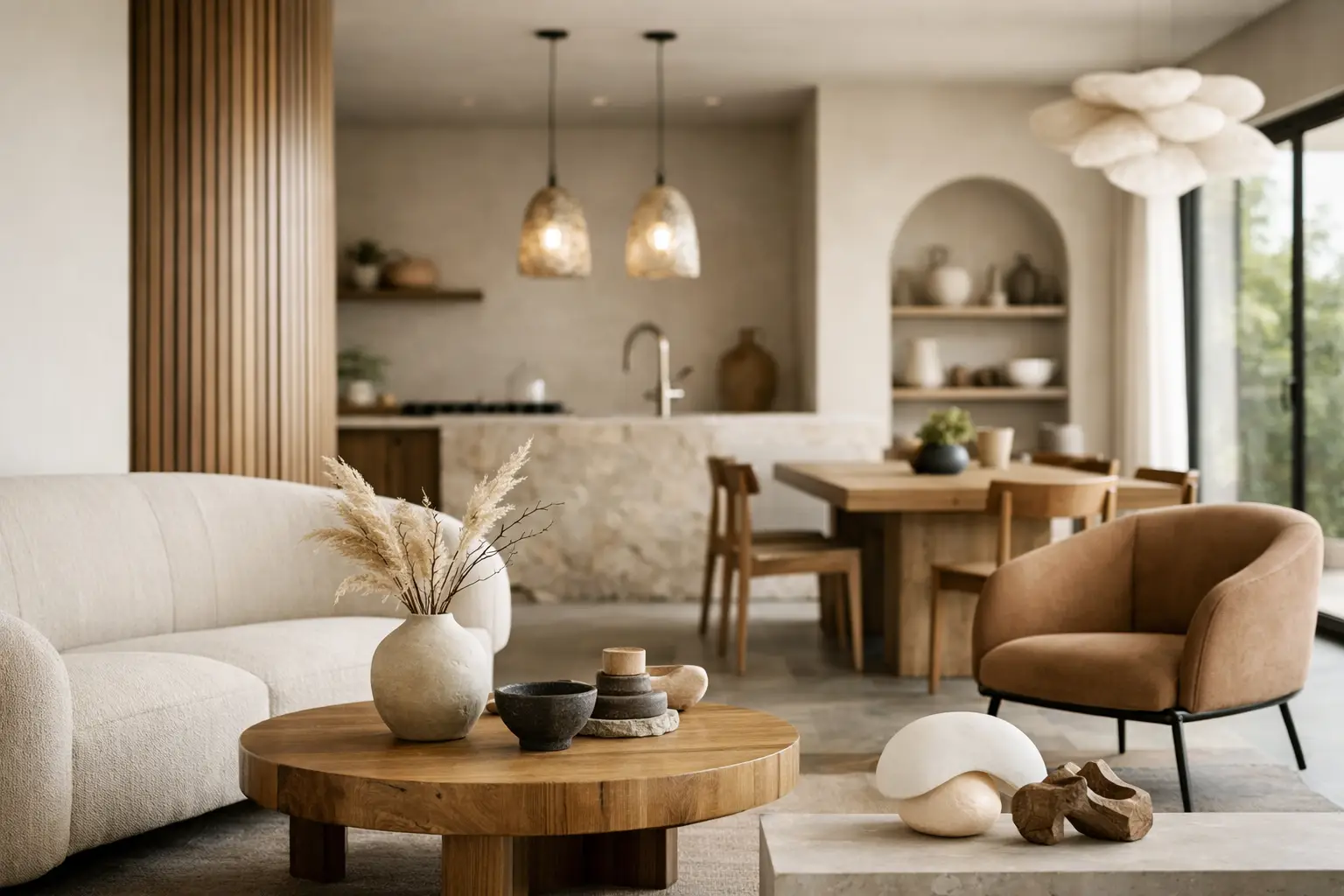
A showroom kitchen can look flawless in photos and still feel wrong at 7 p.m. when groceries are on the counter, school bags are on the floor, and everyone is moving in different directions. That is exactly why interior design trends 2026 are moving away from surface-level styling and toward spaces that perform beautifully in real life. The most relevant interiors are not louder or more decorated. They are more intentional, more tactile, and more closely shaped around how people actually live and work.
For homeowners, that shift means less interest in one-note themes and more demand for homes with character, flexibility, and ease. For commercial spaces, it means branded environments that feel polished without becoming cold or generic. Across both, the defining idea is clear – design is becoming more personal, more grounded, and more useful.
Interior design trends 2026 are becoming more tailored
The strongest interiors in 2026 will not be built around trend-chasing. They will be built around the client. That may sound obvious, but it marks a real shift from the era of copy-and-paste mood boards and algorithm-driven aesthetics.
A family in a compact condo does not need the same design approach as a couple renovating a resale apartment, and neither should resemble a clinic reception or a retail unit. The best projects begin with the architecture, the lifestyle, the storage demands, the circulation, and the emotional tone the space should carry. Design styles still matter, but they increasingly act as a language rather than a rigid formula.
This is why softer versions of Modern Minimalist, warmer interpretations of Japandi, and more textured Contemporary interiors are gaining momentum. Clients still want clarity and restraint, but not at the cost of comfort. A room that looks immaculate and feels sterile no longer holds the same appeal.
Warm minimalism is replacing stark minimalism
Minimalism is not disappearing. It is maturing.
For several years, clean lines, pale palettes, and visual restraint defined aspirational interiors. In 2026, the preference leans warmer and more layered. Think oat, clay, walnut, mushroom, sand, and muted olive rather than icy white and flat gray. Surfaces are more tactile. Upholstery has depth. Timber grain is visible. Stone looks natural rather than overly polished.
This softer approach works especially well in BTO units, condos, and landed homes where owners want calm but also want the home to feel lived in. It also translates well into hospitality-inspired residential spaces, where the atmosphere is elegant but never formal.
There is a practical reason behind this shift. Warm minimalism is easier to maintain visually. A highly stark interior can look impressive for a photo shoot, but in everyday life, it often shows clutter quickly and can feel unforgiving. A warmer palette and layered material mix create a more relaxed backdrop without losing sophistication.
Texture is doing more work than decoration
One of the clearest interior design trends 2026 brings forward is the use of texture as a primary design tool. Instead of filling a room with accessories, designers are creating interest through finishes, materials, and contrast.
Fluted panels, limewash-inspired walls, brushed metal details, ribbed glass, boucle, linen, matte laminates, and natural stone all contribute to a more composed interior. The result is visual richness without noise. This matters in smaller homes especially, where too many decorative elements can make the space feel crowded.
The trade-off is that textured materials need thoughtful coordination. A room with too many competing finishes can feel busy rather than refined. The key is balance – one strong wall treatment, one warm wood tone, one stone or stone-look feature, and a restrained set of textiles often do more than a long list of statement items.
Curves remain, but in a more architectural way
Curved forms are staying, though less as a novelty and more as part of the architecture. In 2026, arches, rounded joinery edges, soft-profile furniture, and sculptural lighting continue to appear, but they are handled with more discipline.
This is good news for clients who want softness without committing to interiors that may date quickly. A gentle curve in a kitchen island edge, an arched niche, or a rounded mirror can make a space feel more inviting. Overused, however, curves can become theme-like.
The more enduring approach is to use them selectively, especially where they improve flow. In family homes, softer corners can also make circulation feel more natural. In clinics and retail spaces, rounded details can create a calmer first impression and reduce the hardness that purely angular interiors sometimes carry.
Multi-functional planning is no longer optional
If there is one trend that will outlast all visual trends, it is flexible planning.
Homes now need to support remote work, quiet downtime, entertaining, storage, and often multiple generations under one roof. Commercial spaces are also under pressure to do more with less square footage. That makes planning one of the most valuable parts of any design brief.
In 2026, expect to see more integrated study corners, concealed workstations, dining areas that double as work zones, platform storage, custom carpentry that uses vertical space well, and rooms designed with changing needs in mind. A nursery may later become a study. A guest room may need built-in storage and a fold-down desk. A beauty retail space may require display flexibility as product lines shift.
This is where bespoke design proves its value. The right layout can make a modest footprint feel generous, while the wrong one can make even a larger property feel compromised. A beautiful finish palette cannot fix poor circulation or insufficient storage.
Kitchens and bathrooms are becoming quieter and more refined
These high-use spaces continue to lead renovation priorities, but the visual direction is changing.
Kitchens are moving away from stark contrast and toward integrated, furniture-like compositions. You will see more full-height cabinetry in warm neutrals, hidden appliances, slim-profile countertops, and backsplash materials that blend rather than shout. Open shelving remains, but in more edited forms. Clients still want display opportunities, just not dust-prone arrangements that create visual clutter.
Bathrooms are becoming more spa-like, but not in an oversized luxury-only sense. Even compact bathrooms are being designed with calmer lighting, larger-format tiles, cleaner vanity lines, and more cohesive material stories. The emphasis is less on dramatic feature walls and more on a composed sensory experience.
The practical side matters here too. Beautiful bathrooms still need durable surfaces, proper ventilation, and detailing that is easy to clean. A refined look should simplify maintenance, not complicate it.
Natural influence is deepening beyond aesthetics
Nature-inspired interiors are no longer just about adding plants or choosing wood tones. The 2026 approach is broader and more architectural.
Clients are asking for better daylight flow, stronger indoor-outdoor connection where possible, and material palettes that feel grounded. In landed homes, this might mean large openings, stone textures, and a more fluid relationship between interior and exterior zones. In apartments, it may be expressed through softer daylight treatments, tonal layering, and a restrained material palette that feels restful.
Wabi-Sabi influence continues here, especially in how people respond to imperfection, patina, and calm. But it is best applied with care. Too much roughness or too little contrast can make a space feel unfinished. The most successful projects combine organic softness with precise execution.
Personality is returning through curated contrast
After years of highly uniform interiors, personality is making a return. Not as chaos, but as curation.
That may appear through a vintage-inspired accent chair in an otherwise contemporary living room, a darker wood tone set against pale cabinetry, or art and objects that feel collected rather than staged. The difference is subtle but important. People want homes that reflect their taste, not just trend compliance.
For commercial clients, this same idea shows up as brand expression with restraint. A clinic can feel calm and premium without looking generic. A retail interior can feel distinct without overwhelming the merchandise. The strongest spaces know when to hold back and when to create a focal point.
This balance between identity and longevity is where experienced design guidance matters most. Trend awareness is useful, but only if it serves the space rather than dominating it.
What to prioritize if you are renovating in 2026
If you are planning a home or commercial renovation, the smartest move is not to ask which trend is biggest. Ask which decisions will still feel right after the novelty fades.
Start with planning. Then look at storage, lighting, material durability, and the mood you want the space to carry every day. Choose trends that support those goals. Warm palettes, texture, flexible carpentry, and quieter detailing have strong staying power because they improve how a space feels and functions.
At Space Atelier, that tailored thinking is what gives a project its lasting quality. A well-designed interior should feel current, but it should also feel unmistakably yours.
The most compelling spaces in 2026 will not be the ones that follow every idea in circulation. They will be the ones that understand the people using them, then shape beauty around real life.
Do you have any enquiry?
Send us an enquiry! Let’s change ideas about what you want for your space.
CONTACT US