

How to Style Japandi Home Interiors Well
How to Style Japandi Home Interiors Well
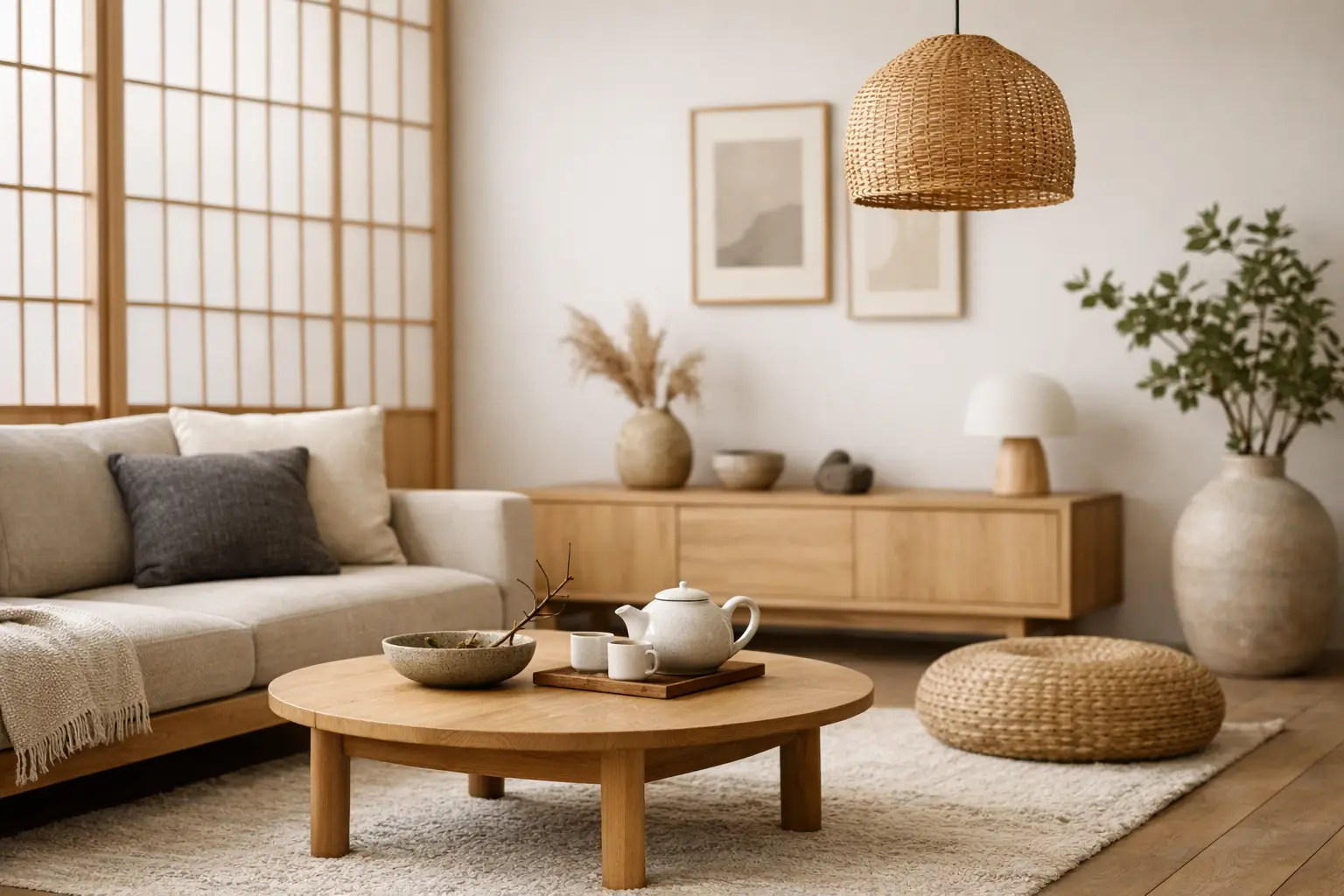
A Japandi home rarely feels accidental. The calm is deliberate, the materials are honest, and every piece has enough presence to earn its place. If you are considering how to style Japandi home interiors, the goal is not to strip a room until it feels empty. It is to create warmth without clutter, function without harshness, and beauty that still supports daily life.
For many homeowners, that balance is exactly why Japandi holds up so well. It borrows the restraint of Japanese interiors and the comfort of Scandinavian design, then refines both into something quietly livable. In a condo living room, a compact BTO bedroom, or a larger landed home, the approach can be adapted with remarkable consistency when the design decisions are thoughtful.
What defines a Japandi interior
Japandi is often described as minimal, but minimal is only part of the story. The stronger idea is intentionality. Furniture tends to have clean lines, but not cold ones. Surfaces are uncluttered, yet they still feel tactile and layered. The palette is muted, though not flat.
The style works because it combines two sensibilities that share similar values. Japanese design brings discipline, negative space, and respect for natural materials. Scandinavian design introduces softness, ease, and a sense of everyday comfort. When styled well, the result feels calm and refined rather than themed.
That distinction matters. A Japandi home should not look like a showroom made entirely of beige objects. It should feel edited, grounded, and personal enough to live in.
How to style Japandi home spaces from the base up
The easiest way to get Japandi wrong is to start with accessories. The right way is to begin with the foundation of the space – palette, materials, forms, and layout. Once those are coherent, styling becomes much simpler.
Start with a restrained color palette
Japandi interiors favor colors that recede rather than compete. Think warm whites, oat, sand, greige, taupe, stone, muted charcoal, and soft wood tones. Black can appear in smaller accents, usually to add depth and outline. Green works well too, but it should read natural and subdued rather than bright.
The nuance is in the temperature. If the palette is too cool, the space can feel severe. If it is too warm and overly creamy, the look may drift into rustic or bohemian territory. Most successful Japandi schemes sit in the middle, with enough warmth to feel welcoming and enough restraint to stay crisp.
For smaller homes, this approach is especially useful. A quiet palette visually expands the room and makes built-ins, walls, and flooring feel more cohesive.
Choose natural materials with visible character
Japandi relies heavily on material honesty. Wood should look like wood. Linen should wrinkle a little. Ceramic should have subtle variation. Stone should bring weight and texture rather than polished flash.
Oak, ash, walnut, rattan, paper, cotton, wool, and matte-finished stone are all strong fits. You do not need every material in one room. In fact, fewer materials often create a more convincing result. Repetition builds calm.
This is where quality becomes more visible. In a style with fewer decorative distractions, finishes and craftsmanship do more of the visual work. A poorly chosen laminate or overly glossy surface can interrupt the mood quickly, while a well-resolved timber grain or textured upholstery gives the room quiet depth.
Keep furniture low, simple, and purposeful
Furniture in Japandi interiors tends to sit lower and feel visually lighter. Sofas are streamlined but comfortable. Coffee tables are solid yet uncomplicated. Dining chairs often feature curved timber frames or woven seats. The silhouette matters as much as the finish.
Avoid pieces that feel bulky, ornate, or over-designed. A single sculptural armchair can work beautifully, but a room full of statement furniture usually works against the style. Japandi is less about collecting attention and more about composing balance.
Scale also deserves care. In compact apartments, oversized sectionals and thick-legged tables can quickly dominate the room. A better strategy is to select fewer, well-proportioned pieces with breathing room around them. Negative space is part of the design, not leftover emptiness.
Layer comfort without visual noise
One reason homeowners are drawn to Japandi is that it feels calm without being stark. That comfort comes from texture, soft transitions, and subtle contrast rather than decorative excess.
Use textiles to soften the architecture
Curtains in linen or linen-look fabric, a flat-woven rug, washed cotton bedding, and cushions in tonal neutrals all help balance cleaner lines. The palette should stay cohesive, but texture can vary. This keeps the room from feeling one-note.
A useful principle is to layer within the same family of colors. Instead of adding contrast through bold pattern, bring interest through weave, grain, and finish. A sand-colored sofa, oat cushions, ivory curtains, and a wool rug in stone can feel rich precisely because the differences are understated.
Let lighting feel gentle and architectural
Lighting in a Japandi interior should never feel overly decorative, but it should still be considered. Paper pendants, matte metal sconces, and simple table lamps with ceramic or timber bases work well. Warm light is almost always the better choice.
Try to avoid harsh downlighting as the only light source. Layer ambient, task, and accent lighting so the room holds its softness at night. A beautifully styled space can still feel flat if the lighting is too clinical.
Styling details that make the room feel finished
When the larger design decisions are in place, styling becomes about editing rather than adding. This is where many interiors shift from simply minimal to distinctly Japandi.
Decor should feel curated, not collected
A few meaningful objects are stronger than many small ones. Hand-thrown ceramics, a timber tray, a stone vessel, or one branch in a simple vase can be enough. Art should be restrained in palette and composition, with space around it.
Open shelving should be approached carefully. Japandi can tolerate display, but not visual clutter. If every surface is filled, the room loses the stillness that makes the style effective.
Bring nature in, but keep it controlled
Plants suit Japandi interiors beautifully, especially those with elegant shapes such as olive trees, ficus, or a single leafy branch. The key is restraint. One substantial plant often does more than several smaller ones scattered around the room.
Natural elements can also appear through bowls of fruit, dried stems, or handmade vessels. The presence of nature should feel calm and integrated, not overly styled.
Room-by-room choices that work in real homes
A Japandi living room benefits from a clear focal point, often a sofa arrangement anchored by a rug and low table. Built-in storage can help conceal everyday items and preserve visual quiet. If the room is small, prioritize openness over extra seating.
In the bedroom, the style translates especially well through low-profile bed frames, soft bedding, integrated nightstands, and minimal wall decor. The room should feel restorative. That may mean fewer decorative cushions and better blackout curtains rather than more accessories.
For kitchens, Japandi works best when cabinetry is simple, hardware is discreet, and the material palette is disciplined. Light oak, warm white, muted gray, and textured stone are common choices. Open shelving can look beautiful, but only if the items stored there are limited and consistent.
Bathrooms can lean more spa-like, with stone-look tiles, timber accents, rounded mirrors, and matte fixtures. Here, warmth is important. If every surface is hard and pale, the room can feel impersonal.
Common mistakes when styling a Japandi home
The most common mistake is confusing Japandi with emptiness. Bare rooms are not automatically refined. Without texture, proportion, and material depth, the result can feel incomplete.
Another misstep is blending too many styles under the Japandi label. Industrial lighting, glam accents, bright abstract art, and heavily patterned rugs may each work elsewhere, but together they can dilute the clarity of the concept.
It is also easy to overcommit to trends. Fluted panels, microcement walls, and statement pendant lights can all suit Japandi interiors, but only when they support the overall mood. If every current detail is used at once, the space dates faster.
This is where tailored design matters. A BTO apartment, resale flat, and landed property each carry different spatial opportunities and constraints. The best Japandi homes respond to architecture, storage needs, and daily routines rather than applying the same formula everywhere. At Space Atelier, that project-specific thinking is what gives a style its staying power.
Why Japandi continues to resonate
Japandi endures because it suits the way many people want to live now – calmer spaces, better materials, and less visual fatigue. It also adapts well across different property types because its principles are flexible. A compact home can use Japandi to feel lighter and more organized. A larger home can use it to feel grounded and cohesive.
The style does ask for discipline. You may need to choose fewer items, invest in better finishes, or let go of pieces that do not belong. But the payoff is a home that feels clear, comfortable, and quietly confident.
The most compelling Japandi interiors are not the ones that look the most sparse. They are the ones that feel resolved, where every material, line, and object supports a more thoughtful way of living.
Do you have any enquiry?
Send us an enquiry! Let’s change ideas about what you want for your space.
CONTACT US